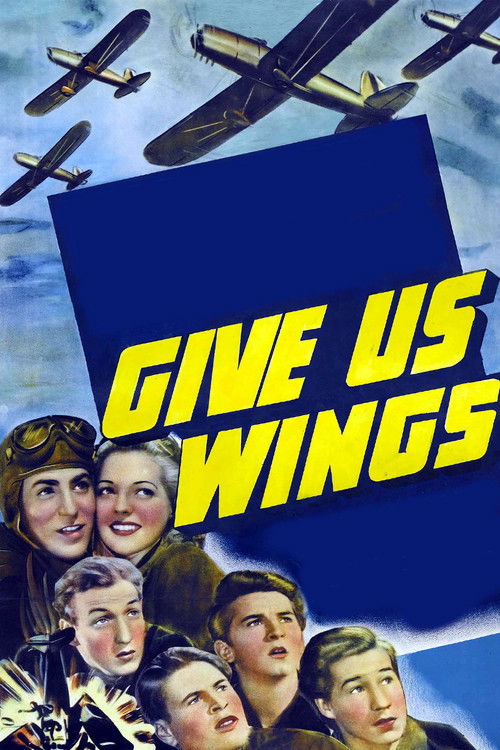
Give Us Wings
1940
No user ratings available yet
Representation score: 2.1 out of 10
Representation Score
Minimal
1938
ApprovedDirector
John H. Auer
Runtime
64 minutes
Average Rating
No ratings yetNew Showbiz Analysis
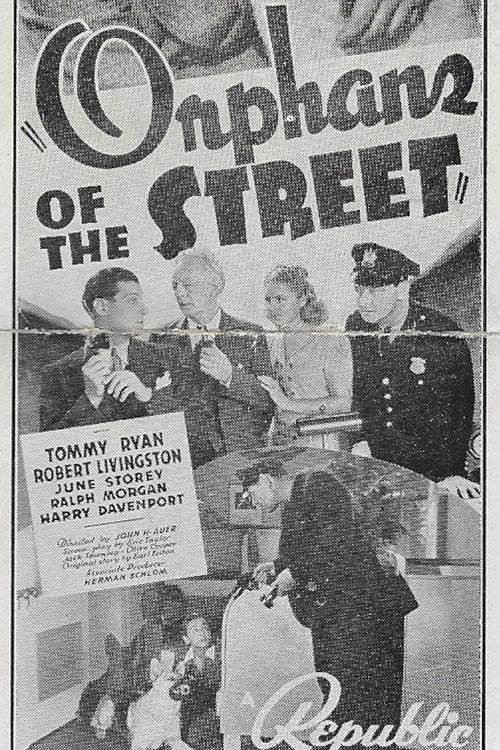
Orphans of the Street is a conventional 1938 period drama that adheres strictly to the social and narrative hierarchies of its time. The film functions as a standard genre piece, focusing on a male protagonist's struggle with class and institutional belonging after losing his inheritance. Because the film follows traditional studio-era clichés, it lacks intentionality in disrupting demographic or systemic norms. The setting of a military academy reinforces a focus on established social structures rather than diverse or subversive perspectives.
Category Breakdown
The film does not include any visible LGBTQ+ characters or representations of non-straight relationships. It adheres to the conventional social structures typical of 1938 studio cinema.
The story centers on a male protagonist within a military academy setting. Female characters do not demonstrate a significant role in driving the story that challenges traditional masculine hierarchies.
The production likely reflects the homogeneous social standards of its era. It depicts white, Anglo-Saxon social structures as the default norm.
The narrative focuses on class and institutional belonging rather than challenging Western institutions. It utilizes traditional dramatic clichés regarding social standing and personal responsibility.
There is no mention of characters navigating physical, neurodivergent, or mental health conditions. No disability-driven narratives are present in the story.
Present on Screen
Limited or Absent
Official Synopsis
An orphaned boy is informed that the money from his father's estate has run out, and he will have to leave the Holbrook Military Academy.
1940

1939
1932
1948
1921

1937

1938

1921
No reviews yet. Be the first to share your thoughts on this movie!
Use the rating form above to leave a star rating and optional review.