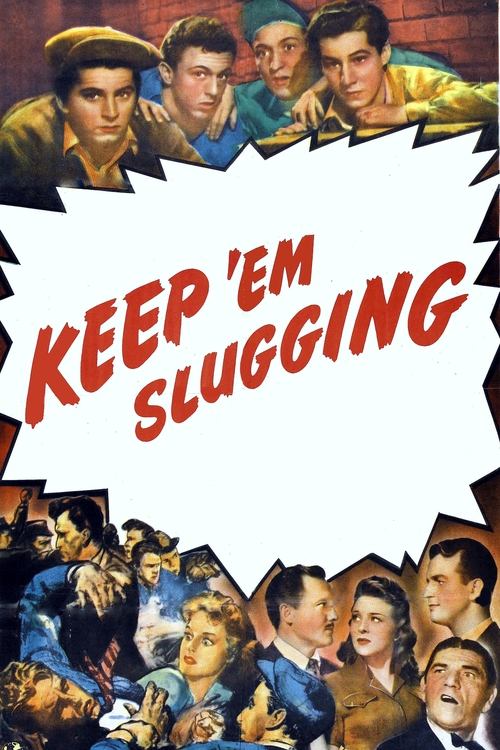
Keep 'Em Slugging
1943
No user ratings available yet
Representation score: 0.8 out of 10
Representation Score
Limited
1940
PassedDirector
Charles Lamont
Runtime
62 minutes
Average Rating
No ratings yetNew Showbiz Analysis
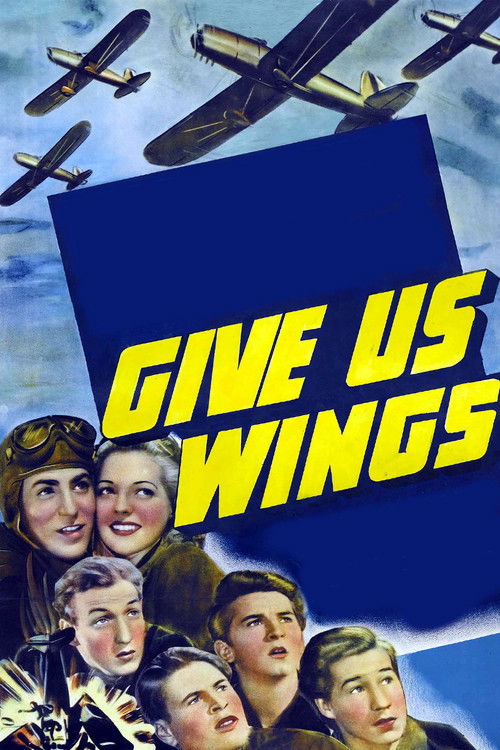
Give Us Wings is a period-specific genre piece that prioritizes the aspirations of working-class youth over social subversion. The film focuses on the Dead End Kids' struggle to navigate socioeconomic hardship and their entanglement with criminal elements in the aviation industry. While the film offers a window into the camaraderie and ability to act of urban adolescents, it remains tethered to the demographic norms of the early 1940s. The narrative structure reinforces traditional hierarchies rather than challenging them. Ultimately, the film serves as a standard studio-era melodrama. It provides representation for a specific socioeconomic class but lacks multi-layered depth or diverse identity frameworks.
Category Breakdown
The film adheres to a strictly heterosexual and cisgender framework typical of 1940s crime comedies. There is no representation of LGBTQ+ identities or narratives that challenge traditional social structures.
The story centers on a male-dominated ensemble and male-centric aviation environments. Women have limited roles and ability to act, reinforcing traditional gender roles.
The cast and setting reflect a homogeneous social environment consistent with bkground of 1940s production standards. The film lacks diverse casting approaches.
The narrative explores class struggle and the desire for upward mobility through technical skill. It emphasizes personal integrity rather than systemic critiques of social institutions.
There is no documented evidence regarding the inclusion of characters with visible or invisible disabilities in this production.
Present on Screen
Limited or Absent
Official Synopsis
Dead End Kids epic. The boys want desperately to fly, and get mixed up with crooked crop dusters, whose planes are flying deathtraps.
1943
2008
1934
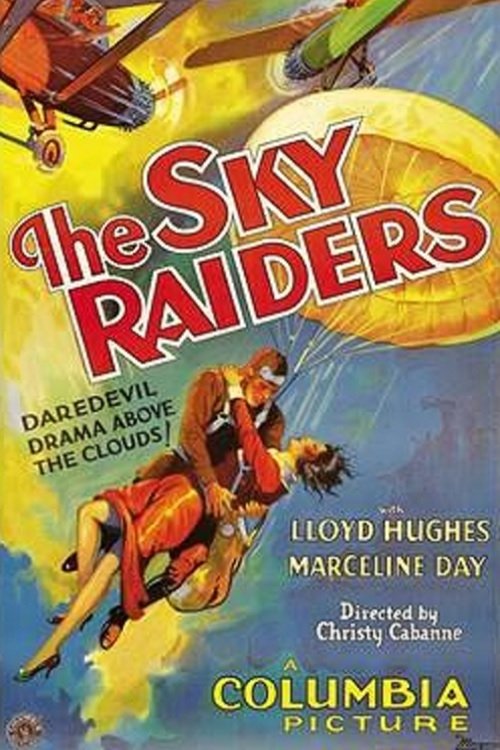
1931
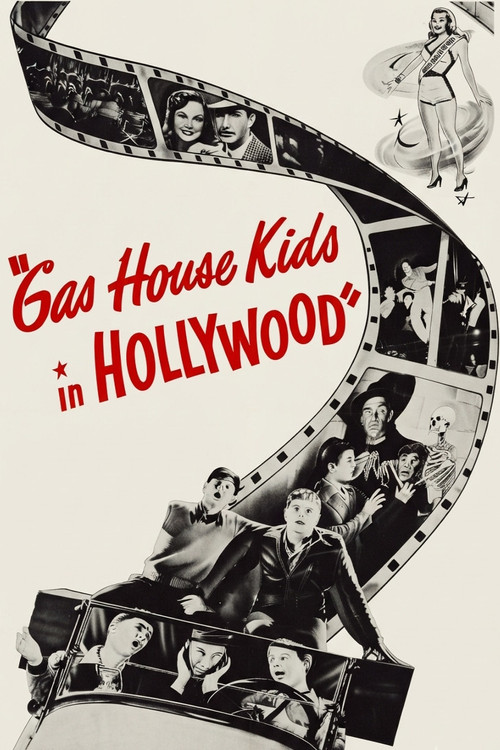
1947

1939
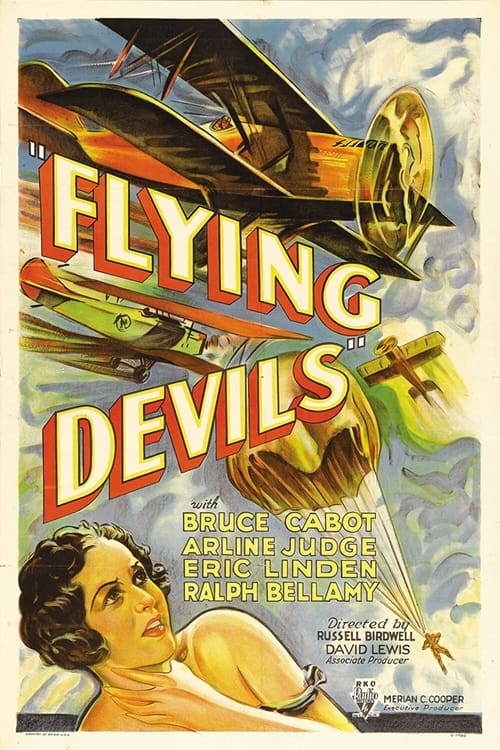
1933
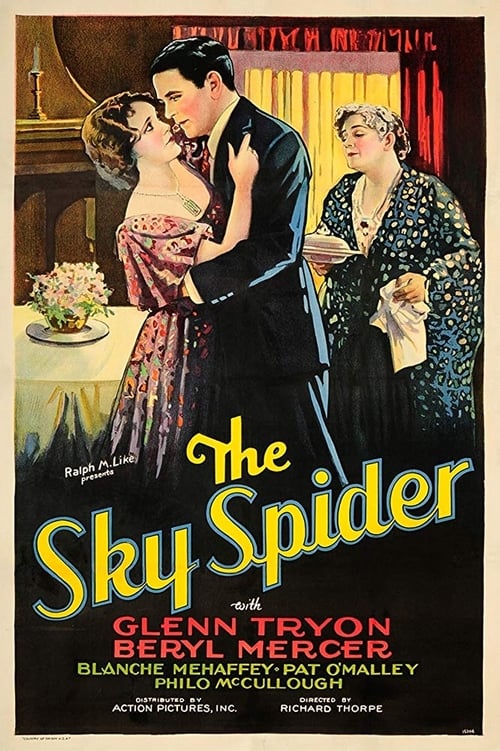
1931
No reviews yet. Be the first to share your thoughts on this movie!
Use the rating form above to leave a star rating and optional review.