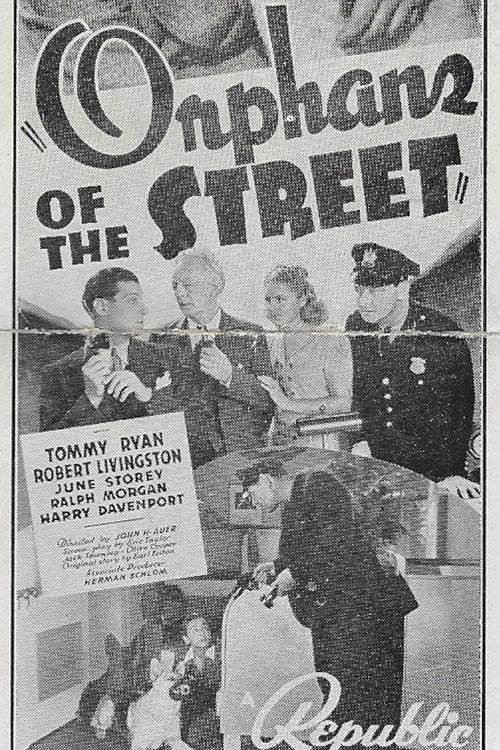
Orphans of the Street
1938
No user ratings available yet
Representation score: 1.4 out of 10
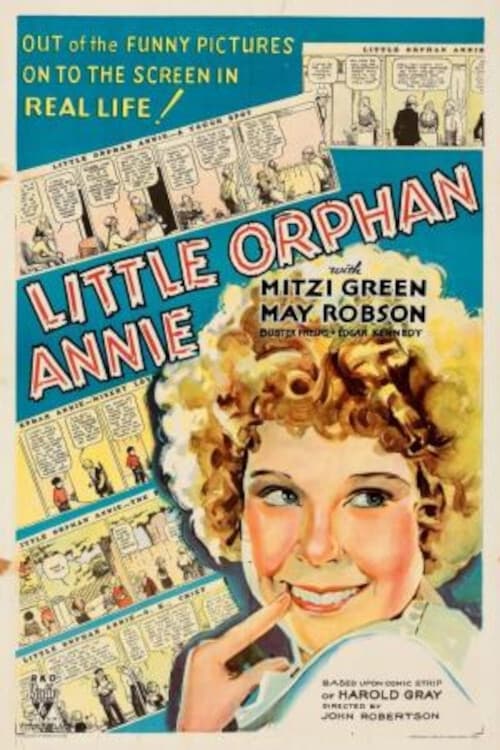
Representation Score
Limited
1932
Director
John S. Robertson
Runtime
70 minutes
Average Rating
No ratings yetNew Showbiz Analysis
The film's impact relies heavily on its subversion of gender roles through its young female protagonist. Annie demonstrates emotional intelligence and ability to act that often surpasses the adults around her, providing a rare center of power for a girl in early cinema. However, the production is limited by the demographic homogeneity of the 1930s. The lack of racial and LGBTQ+ diversity keeps the score low, as the narrative focuses on a singular demographic group. Ultimately, the film succeeds as a class critique. By contrasting the struggle of the underrepresented with the concentrated wealth of the elite, it offers a nuanced look at systemic instability and institutional failure.
Category Breakdown
The film contains no LGBTQ+ characters or explorations of non-straight relationships. It adheres to the traditional family structures common in 1932 cinema.
Annie provides significant narrative ability to act, acting as a proactive driver of the plot rather than a passive character. While she operates within a patriarchal framework, her resilience challenges traditional gender hierarchies.
The cast is predominantly homogeneous, reflecting the era's lack of diverse casting. There is no evidence of significant racial blending within the primary character arcs.
The story critiques socioeconomic structures by highlighting the divide between impoverished orphans and extreme wealth. It frames institutional authority as potentially oppressive during the Great Depression.
There is no significant focus on physical or mental disabilities. The film treats the vulnerability of being orphaned as a metaphorical state rather than a specific health condition.
Present on Screen
Limited or Absent
Official Synopsis
Millionaire Daddy Warbucks goes bust in the Great Depression and is forced to abandon his adopted daughter, Annie. While he's out west working on another fortune, Annie finds an orphaned boy on the streets and helps him find a home.
1938

1933
1931

1939

1933

1921
1933
1937
No reviews yet. Be the first to share your thoughts on this movie!
Use the rating form above to leave a star rating and optional review.