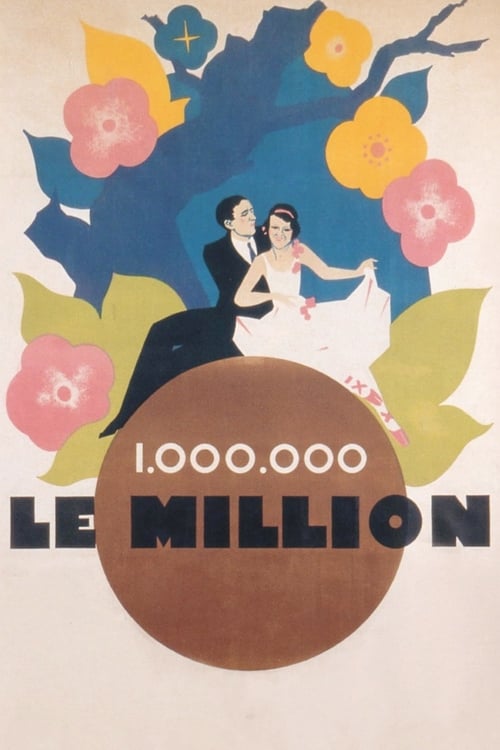
Le Million
1931
No user ratings available yet
Representation score: 1.8 out of 10
Representation Score
Limited
1931
Not RatedDirector
René Clair
Runtime
95 minutes
Average Rating
No ratings yetNew Showbiz Analysis
René Clair’s satire is a sophisticated critique of rigid systems rather than a study in demographic diversity. While the film lacks modern representation regarding race, gender, and orientation, it offers profound progressive value through its social commentary. The narrative challenges the era's standard views on industrial progress. By portraying mechanization as an existential threat to human freedom, the film highlights the individual's struggle against institutional oppression. Ultimately, the work's strength lies in its intellectual depth. It uses the absurdity of modern labor to advocate for personal empowerment against a dehumanizing, mechanized society.
Category Breakdown
The film does not include any LGBTQ+ characters or non-straight identities. Romantic subplots follow traditional heterosexual storylines to support the main characters' journeys.
The story focuses mainly on male characters and their socioeconomic struggles. Female characters typically play traditional roles as romantic interests or supportive figures.
The film features a predominantly white European cast typical of 1930s France. It does not include diverse racial or ethnic representation.
The film excels in its critique of Western institutions and industrial capitalism. It uses surrealism to depict the factory system as a dehumanizing force.
There is no significant focus on visible or invisible disabilities within the main storyline.
Present on Screen
Limited or Absent
Official Synopsis
In this classic French satire, Louis, a convict, escapes from prison and takes on legitimate work, making his way up in the business world. Eventually becoming the head of a successful factory, Louis opts to modernize his company with mechanical innovations. But when his friend Émile finally leaves jail years later and reunites with Louis, the past catches up with them. The two, worried about being apprehended by police, long to flee the confines of industry.
1931
1933
1933

1932
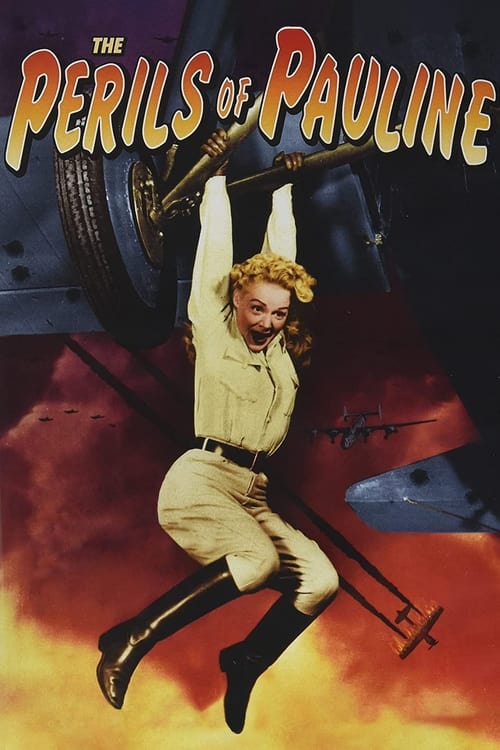
1947
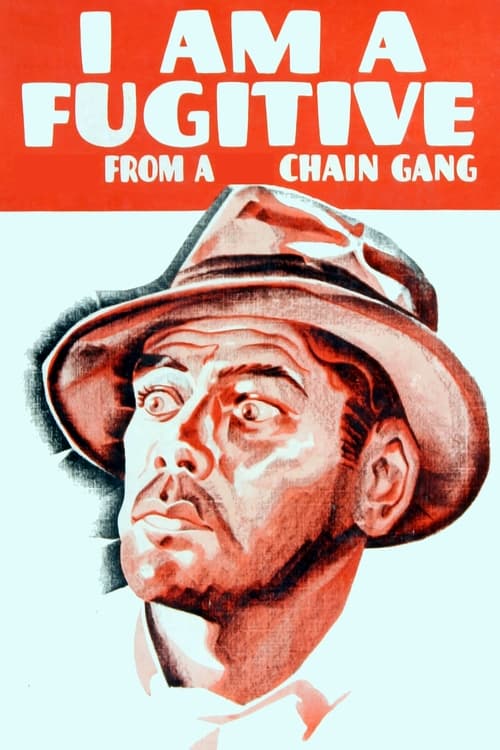
1932
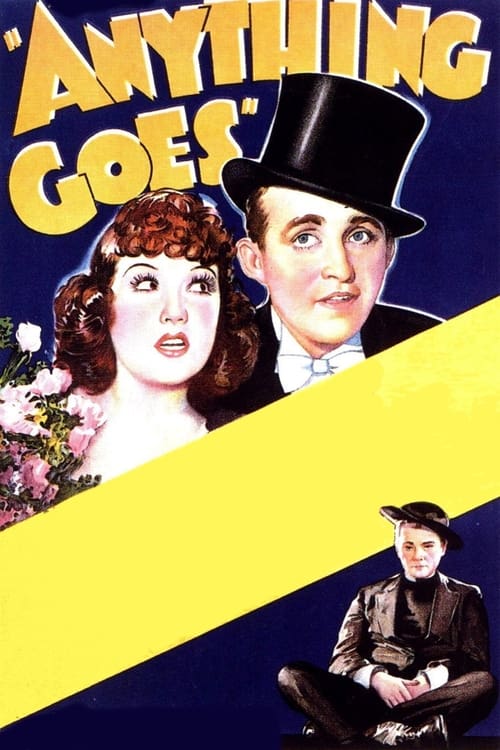
1936
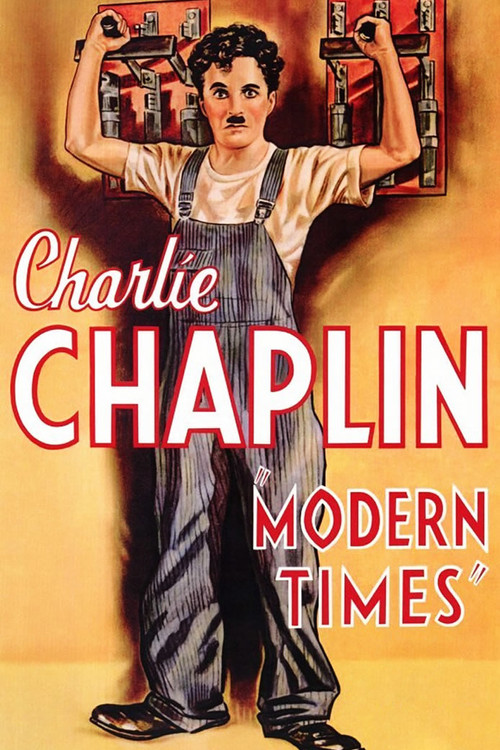
1936
No reviews yet. Be the first to share your thoughts on this movie!
Use the rating form above to leave a star rating and optional review.