
The Dressmaker
2015
No user ratings available yet
Representation score: 7.9 out of 10
Representation Score
Fair
2018
PGDirector
Bruce Beresford
Runtime
109 minutes
Average Rating
No ratings yetNew Showbiz Analysis
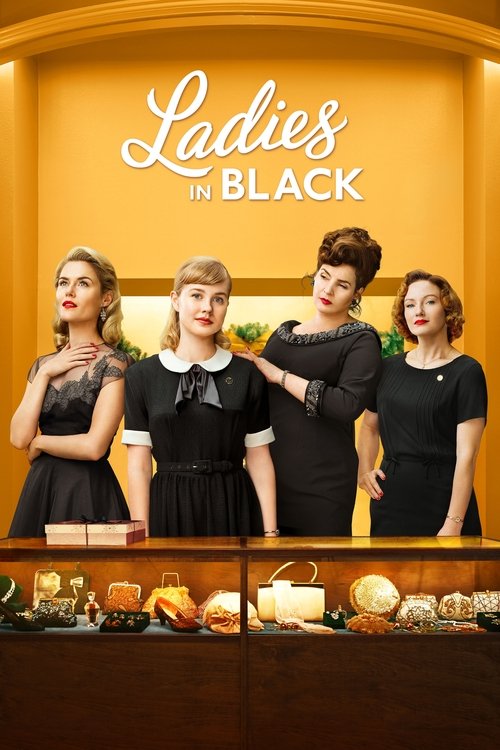
Ladies in Black succeeds by centering the intersection of women's ability to drive the story and the immigrant experience. It moves beyond including someone from a minority group without giving them real depth to show how evolving female roles and shifting demographics challenge mid-20th-century social hierarchies. The film effectively uses the 'New Australian' experience to complicate the era's perceived social uniformity. By highlighting European migrants, the story introduces a cosmopolitan influence that pushes against stagnant local traditions. However, the film remains limited by its period setting, offering almost no representation for LGBTQ+ identities. While it explores social integration, it adheres strictly to the straight-centered constraints of 1959.
Category Breakdown
The story focuses on the social structures and domestic expectations of the late 1950s, which assume everyone is straight or cisgender. There are no significant LGBTQ+ characters or non-cisgender identities in the central plot.
The narrative centers on the awakening of women's ability to drive the story and disrupts traditional domestic hierarchies. Characters like Lisa and Magda prioritize professional growth and personal autonomy over submissive femininity.
The film uses the immigrant experience to challenge homogeneous Anglo-Saxon social norms. By centering European migrants, the story provides a nuanced look at how new populations reshape the cultural fabric of Sydney.
The film explores the tension between provincialism and cosmopolitan modernity. It positions outsider perspectives as a progressive force against the rigid, insular social decorum of mid-century Australia.
There are no prominent depictions of visible or invisible disabilities that drive the narrative or serve as central character arcs.
Present on Screen
Limited or Absent
Official Synopsis
Adapted from the bestselling novel by Madeleine St John, Ladies in Black is an alluring and tender-hearted comedy drama about the lives of a group of department store employees in 1959 Sydney.
2015
1939
1994
1998
2012
2010

1991
2019
No reviews yet. Be the first to share your thoughts on this movie!
Use the rating form above to leave a star rating and optional review.