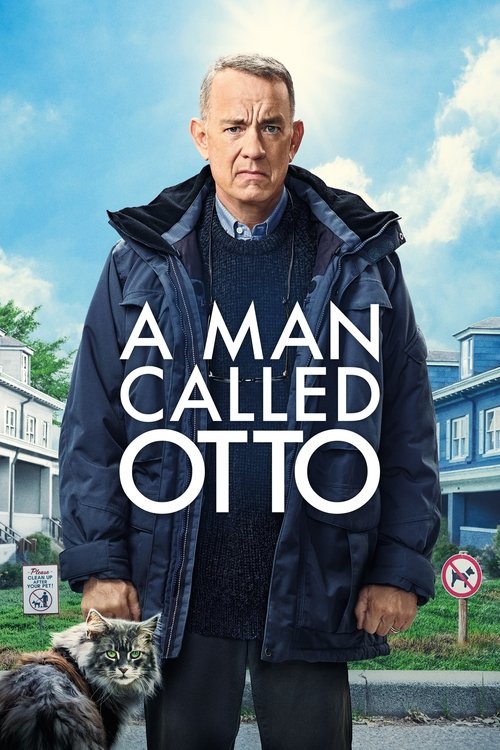
A Man Called Otto
2022
No user ratings available yet
Representation score: 7.0 out of 10

Representation Score
Good
2019
PG-13Director
Zara Hayes
Runtime
91 minutes
Average Rating
No ratings yetNew Showbiz Analysis
Poms elevates the visibility of older women by focusing on their friendships and social lives. This challenges ageist stereotypes and highlights the vitality of retired women. However, the film lacks depth in representing diverse identities. It does not show racial diversity, LGBTQ+ identities, or meaningful disability representation, which limits its inclusivity. Overall, while it challenges age-based hierarchies, the film remains a narrow character study rather than a broad exploration of diverse identities.
Category Breakdown
The film does not include any visible LGBTQ+ representation or queer romantic arcs. There are no characters with non-cisgender identities.
Martha and Sheryl play key roles in driving the story, highlighting women's ability to take charge. This focus challenges the usual emphasis on youth or male leadership.
There is no information about the ethnic makeup of the cast. The film seems to follow typical, homogenous casting practices.
The story frames senior activities as a form of rebellion, challenging the idea that older adults withdraw socially. It presents a fresh perspective on aging.
The film addresses the physical aspects of aging but does not focus on neurodivergence or visible disabilities. It emphasizes social reintegration over disability issues.
Present on Screen
Limited or Absent
Official Synopsis
After moving to a retirement community, loner Martha eventually befriends her fun-loving neighbor, Sheryl, and forms a cheerleading club for young-at-heart seniors, though they face roadblocks along the way.
2022

2015

2021

2017

2019

2009

2012

2012
No reviews yet. Be the first to share your thoughts on this movie!
Use the rating form above to leave a star rating and optional review.