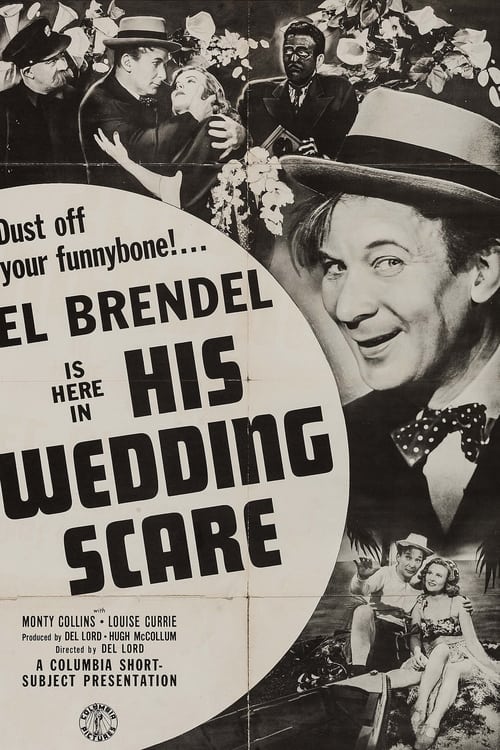
His Wedding Scare
1943
No user ratings available yet
Diversity score: 2.1 out of 10
No Poster Available
1935
ApprovedDirector
Alfred J. Goulding
Runtime
18 minutes
Average Rating
No ratings yetSynopsis
Harry and his wife move into a "modern", gimmick-laden house.
Overall Score
Minimal
Category Breakdown
LGBTQ+ Representation
The film lacks any discernible LGBTQ+ characters or non-cisnormative identities. Its narrative structure relies entirely on the traditional romantic and marital frameworks of the 1930s.
Gender Representation
Gender roles follow standard 1930s archetypes without subverting traditional hierarchies. The comedy focuses on domestic mishaps that ultimately reinforce established social roles and domestic stability.
Racial & Ethnic Diversity
The cast appears homogeneous, reflecting the typical domestic comedies of the early 20th century. There is no evidence of non-white representation or diverse ethnic agency.
Religious & Cultural Diversity
The story centers on middle-class domesticity and the sanctity of marriage. It promotes Western social institutions, such as the nuclear family, as the narrative's stabilizing center.
Disability Representation
There are no characters with visible or invisible disabilities. The film does not engage with neurodivergence or physical disability in its character development.
Strengths
Areas for Improvement
AI Analysis
His Bridal Sweet is a quintessential product of its era, functioning as a traditional domestic comedy. The film adheres strictly to the social hierarchies and narrative structures prevalent in 1930s Hollywood, offering little to no disruption of conventional expectations. The production reinforces existing social norms rather than challenging them. From its focus on the nuclear family to its homogeneous casting, the film serves to uphold the status quo of the period. Ultimately, the work lacks intentionality regarding intersectional representation. It operates within a narrow framework of middle-class Western domesticity, providing a snapshot of the era's standard social and gendered archetypes.
1943
1934
1936
1948
1938
1949
1937
1934

1940
1942
1951

1943
No reviews yet. Be the first to share your thoughts on this movie!
Use the rating form above to leave a star rating and optional review.