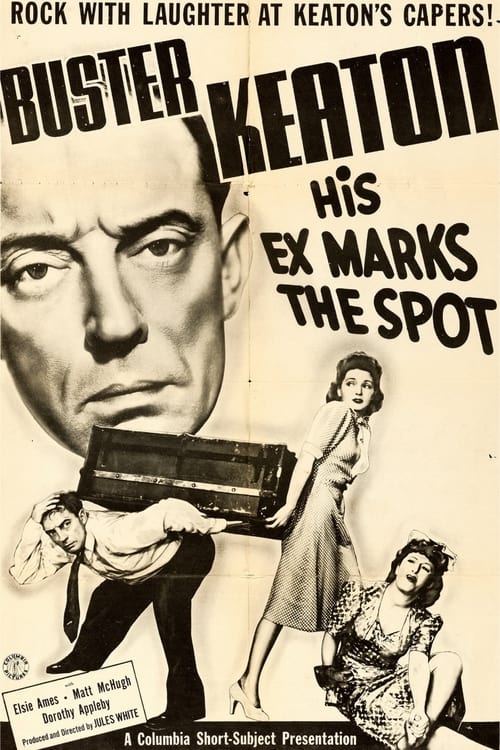
His Ex Marks the Spot
1940
No user ratings available yet
Representation score: 1.4 out of 10
Representation Score
Minimal
1934
PassedDirector
James W. Horne
Runtime
20 minutes
Average Rating
No ratings yetNew Showbiz Analysis
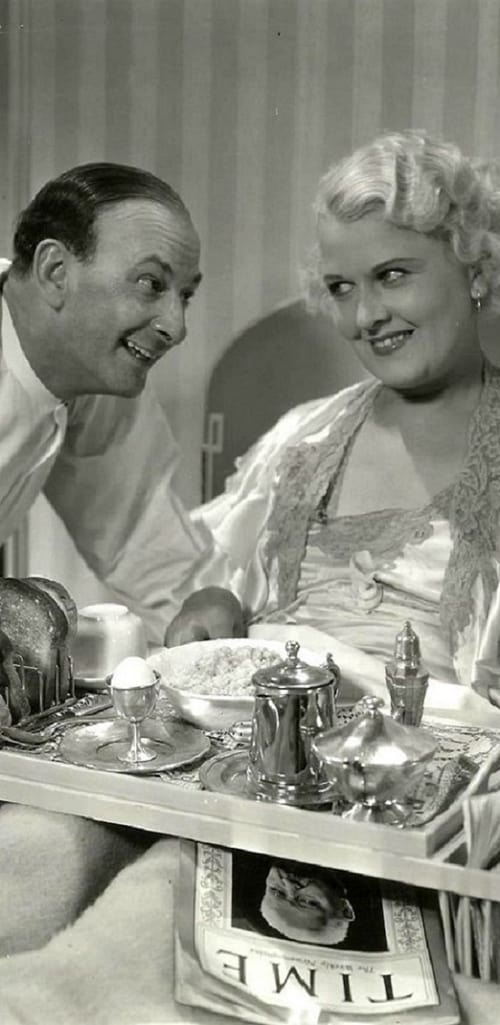
Perfectly Mismated is a conventional 1930s comedy that adheres closely to the social norms of its time. The plot revolves around a domestic conflict between an ex-wife and her former husband, a cliché that typically reinforces traditional gender roles. There is a notable absence of diverse representation across most categories. The film lacks LGBTQ+ characters, racial diversity, and any depiction of disability, indicating adherence to the homogeneous casting standards of the early sound era. Overall, the film operates as a standard domestic comedy without showing progressive intent or attempts to deconstruct established cultural norms.
Category Breakdown
The film does not include any characters with non-binary or transgender identities. It also does not feature narratives that question the assumption that everyone is straight or cisgender.
The storyline centers on a domestic argument between an ex-wife and her former husband, which seems to rely on traditional gender roles from the 1930s.
The film likely reflects the homogeneous casting practices of the early sound era. There are no characters of color who play a significant role in driving the story.
The narrative focuses on conventional social structures such as marriage and divorce. It does not challenge institutional norms or present secularist themes.
No characters with visible or invisible disabilities are mentioned in the available information.
Present on Screen
Limited or Absent
Official Synopsis
Leon's ex-wife moves into the apartment next to him.
1940

1938

1931

1934

1934
1935
1936
1946
No reviews yet. Be the first to share your thoughts on this movie!
Use the rating form above to leave a star rating and optional review.