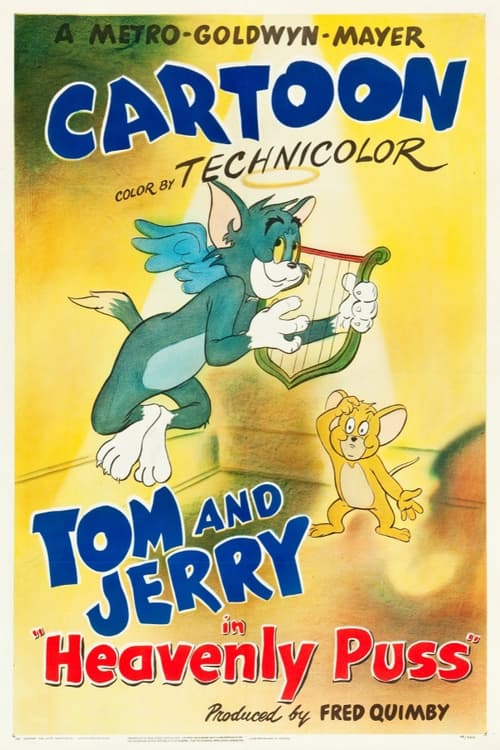
Heavenly Puss
1949
No user ratings available yet
Diversity score: 1.3 out of 10
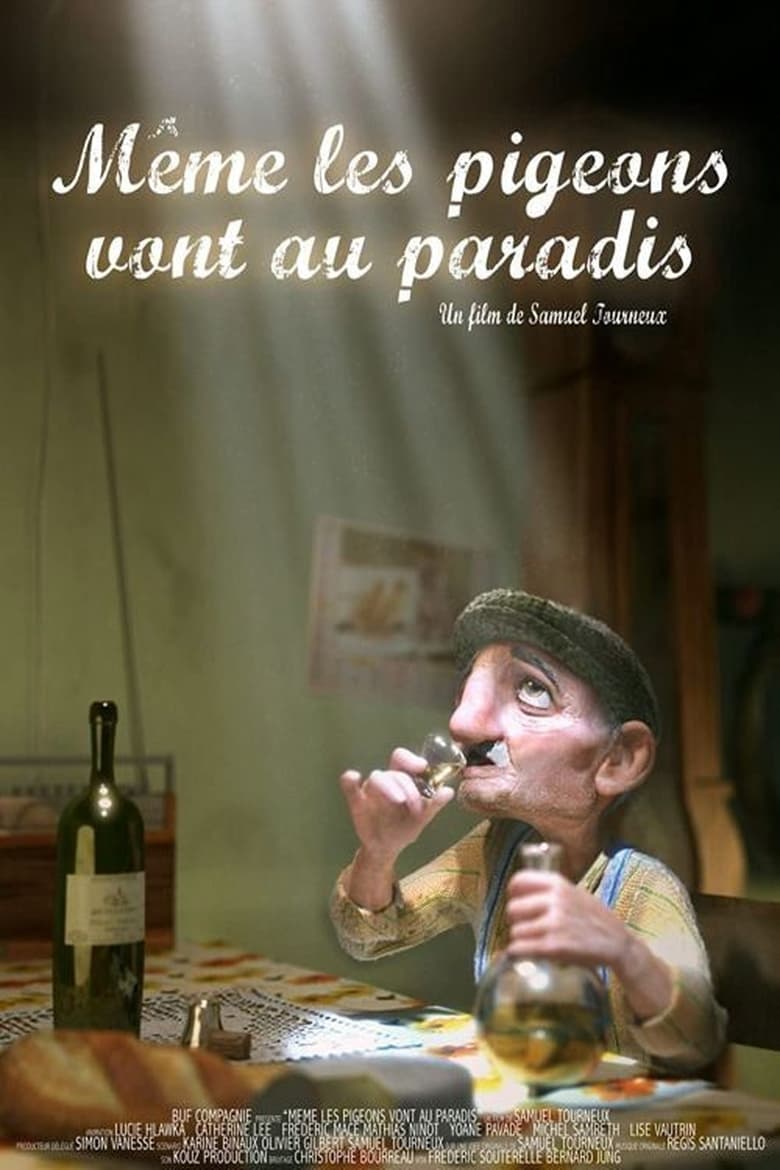
2007
Director
Samuel Tourneux
Runtime
9 minutes
Average Rating
No ratings yetSynopsis
On a moonlit fall night, a priest races to the home of Mr. Moulin running a motorcycle off the road and arriving just in time to catch the old man as he falls from a chair on which he stacked books in order to reach a bottle of cognac. Mr. Moulin is a miser with a sock full of money that the priest would like to appropriate by selling the old man a space capsule that will take him to paradise. After a test drive and some negotiation, the deal may be struck, but then, there's a knock at the door.
Overall Score
Limited
Category Breakdown
LGBTQ+ Representation
The film focuses on a binary interaction between two male figures. There is no evidence of non-cisnormative identities or same-sex intimacy.
Gender Representation
The narrative operates within a narrow scope, focusing almost exclusively on male characters. It lacks female agency or the subversion of traditional gender hierarchies.
Racial & Ethnic Diversity
The stylized animation style does not provide a platform for racial or ethnic diversity. The setting aligns with a homogeneous, Western-centric comedic tradition.
Religious & Cultural Diversity
The story engages with religious motifs through a priest who attempts to exploit a miser. This serves as a character-driven critique of institutional integrity.
Disability Representation
There is no representation of physical or neurodivergent disabilities. Mr. Moulin's physical frailty is used as a comedic plot device rather than an exploration of lived experience.
Strengths
Areas for Improvement
AI Analysis
Even Pigeons Go to Heaven is a character-driven short that prioritizes archetypal storytelling and comedic timing over intersectional representation. The narrative relies on traditional tropes of greed and clerical opportunism. The film's demographic breadth is limited, focusing on a singular, traditional character dynamic between two men. This narrow focus results in a lack of diverse perspectives or social critiques. While the film offers a cynical view of religious figures, it frames this through individual morality rather than a systemic deconstruction of power structures.
1949
1962
1946

1946
1959
1948
1962
1951
1997
1957
1948
1954
No reviews yet. Be the first to share your thoughts on this movie!
Use the rating form above to leave a star rating and optional review.