
King Lavra
1951
No user ratings available yet
Diversity score: 2.7 out of 10
1946
Director
Karel Zeman
Runtime
4 minutes
Average Rating
No ratings yetSynopsis
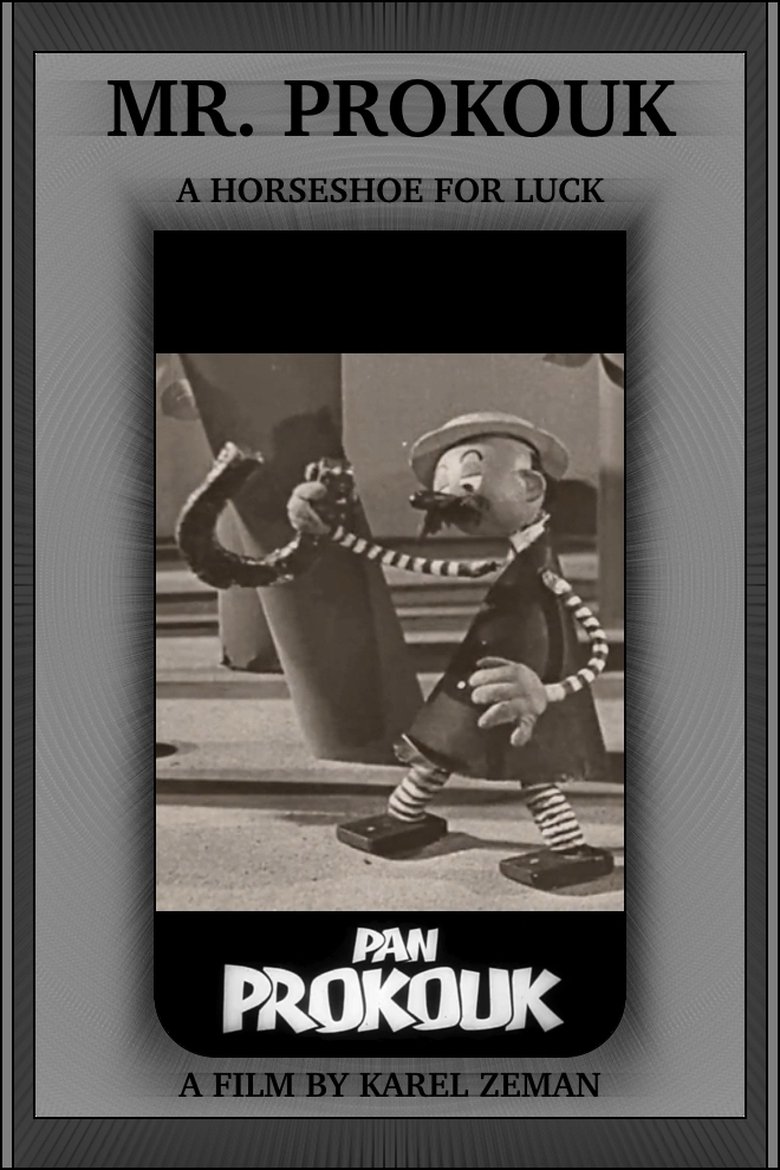
Mr. Prokouk finds a horseshoe and thinks it's a good luck charm. So, he decides to take it with him home and find a suitable place for it. He soon discovers that the horseshoe brings him nothing but bad luck.
Overall Score
Limited
Category Breakdown
LGBTQ+ Representation
The film focuses entirely on a singular protagonist and a comedic mishap. There is no evidence of non-heteronormative identities or critiques of heteronormativity.
Gender Representation
The narrative centers on a male protagonist, Mr. Prokouk. It lacks female characters or any subversion of traditional gender hierarchies.
Racial & Ethnic Diversity
This mid-century European animation reflects a homogeneous social landscape. There is no indication of a multi-ethnic cast or diverse species metaphors.
Religious & Cultural Diversity
The story utilizes traditional folkloric tropes like a luck charm. It follows a standard comedic arc rather than deconstructing institutions or systemic oppression.
Disability Representation
There is no specific evidence regarding the portrayal of neurodivergence or physical disability within the character or the surrounding cast.
Strengths
Areas for Improvement
AI Analysis
Karel Zeman’s short is a character-driven slapstick comedy rooted in post-war Czechoslovakian folklore. The narrative is tightly focused on a single man's interaction with a supernatural object, leaving little room for broader social commentary. Because the film operates as a whimsical fable, it lacks the structural complexity to address systemic power dynamics or identity politics. It adheres to the conventional storytelling norms of its era. Ultimately, the film serves as a traditional comedic piece rather than an intentional effort to provide intersectional representation or disrupt social hierarchies.
1951
1945
1948
1949
1939
1935
1949

1936
1939
1957
1965
1940
No reviews yet. Be the first to share your thoughts on this movie!
Use the rating form above to leave a star rating and optional review.