The Movies
1925
No user ratings available yet
Representation score: 0.8 out of 10
Representation Score
Minimal
1925
Director
Scott Pembroke, Joe Rock
Runtime
20 minutes
Average Rating
No ratings yetNew Showbiz Analysis
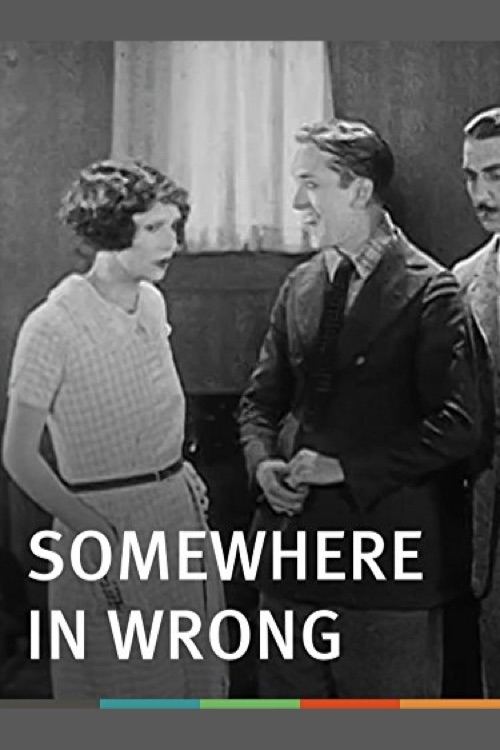
Somewhere In Wrong is a period-typical silent comedy that adheres strictly to the social and cinematic norms of 1925. The narrative structure relies on established slapstick and conventional romantic arcs, avoiding any attempt to disrupt social hierarchies. The film lacks complexity in representing diverse identities, focusing instead on a sentimental story of a kind-hearted tramp. This approach prioritizes traditional character archetypes over nuanced or diverse representation. Ultimately, the work provides a snapshot of its era, offering little engagement with issues of racial, gender, or LGBTQ+ diversity.
Category Breakdown
The film does not include any representation of LGBTQ+ identities or same-sex relationships. The romantic storyline focuses solely on a traditional, unreciprocated love interest.
Gender roles in the film follow typical comedic archetypes of the time. The female character primarily serves as a catalyst for the male protagonist’s emotional development.
The film features a predominantly white cast, reflecting the homogeneity common in 1920s silent comedies. There is no indication of diverse racial representation or character's ability to drive the story.
The narrative adheres to traditional early 20th-century moral values, emphasizing individual virtue and sentimentality. It does not challenge established social norms or cultural values.
The film does not depict any characters with visible or invisible disabilities.
Present on Screen
Limited or Absent
Official Synopsis
Stan plays a kind hearted tramp whose love goes un-requited in this sweet short film from 1925.
1925
1926

1915
1928
1915

1923
1914

1928
No reviews yet. Be the first to share your thoughts on this movie!
Use the rating form above to leave a star rating and optional review.