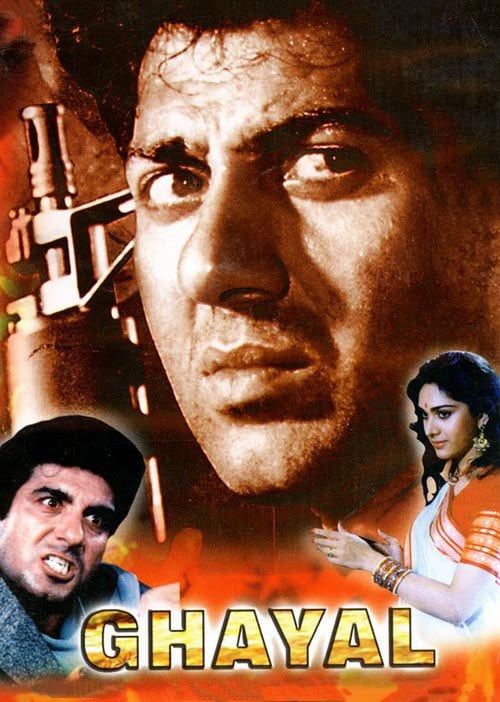
Ghayal
1990
No user ratings available yet
Representation score: 2.4 out of 10
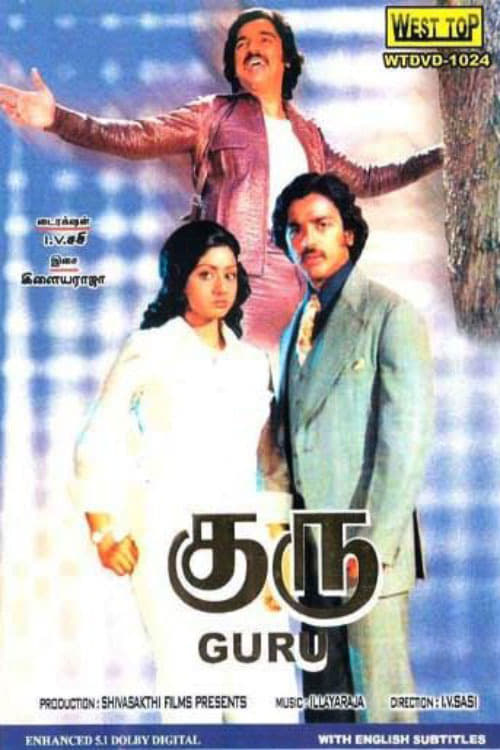
Representation Score
Fair
1980
Director
I V Sasi
Runtime
145 minutes
Average Rating
No ratings yetNew Showbiz Analysis
Guru is a period drama that excels in its political critique. By focusing on a freedom fighter, the film effectively challenges colonial power structures and racial dynamics. The conflict between the protagonist and the British Raj provides a solid foundation for decolonial themes. However, the film's scope is limited by its historical context. The narrative remains heavily centered on male-driven political action, and there is no representation of LGBTQ+ identities. While Parvati exhibits a significant role in driving the story, she operates within a traditional framework.
Category Breakdown
The film does not include any LGBTQ+ characters or those with non-traditional gender identities. The story revolves around a family structure where everyone is assumed to be straight and cisgender.
Parvati takes a leading role by interfering in legal proceedings to help her husband escape. She challenges traditional domestic roles, but the overall narrative still centers on male conflicts and struggles.
The film highlights the conflict between an indigenous freedom fighter and British officers, critiquing colonial occupation. This sets up a clear opposition between the colonized and the imperial rulers.
The movie examines anti-colonial sentiments and the rejection of Western institutions. It emphasizes a generational divide between national identity and loyalty to the colonial state.
There are no characters with physical or cognitive disabilities depicted in the film.
Present on Screen
Limited or Absent
Official Synopsis
A young man Raghu sets up an explosive in a railway track to blow up a train. Raghu is a freedom fighter who wants to destroy the train in which British officers are travelling. He returns home after his successful attempt and is slammed by his rich father who is an ardent supporter of the British. Raghu insists that his country and its freedom are more important than anything. When police comes to arrest Raghu, his father hands him to them but Raghu's pregnant wife Parvati diverts the police and lets her husband escape. Raghu escapes in his bike and meets with an accident and is declared dead. Parvati gives birth to a son named Ashok and ten years pass by. She is away from her father-in-law and still in a belief that her husband is alive and shall come to them one day.
1990
2012
1988
2021
1993
1990
1987
2001
No reviews yet. Be the first to share your thoughts on this movie!
Use the rating form above to leave a star rating and optional review.