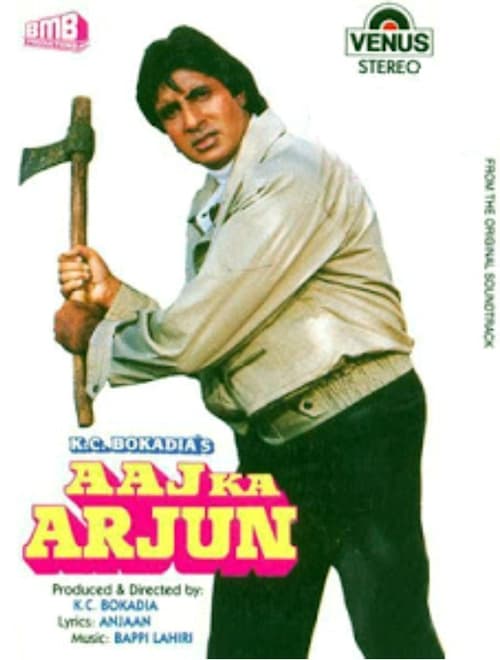
Aaj Ka Arjun
1990
No user ratings available yet
Representation score: 2.7 out of 10
Representation Score
Limited
1987
Director
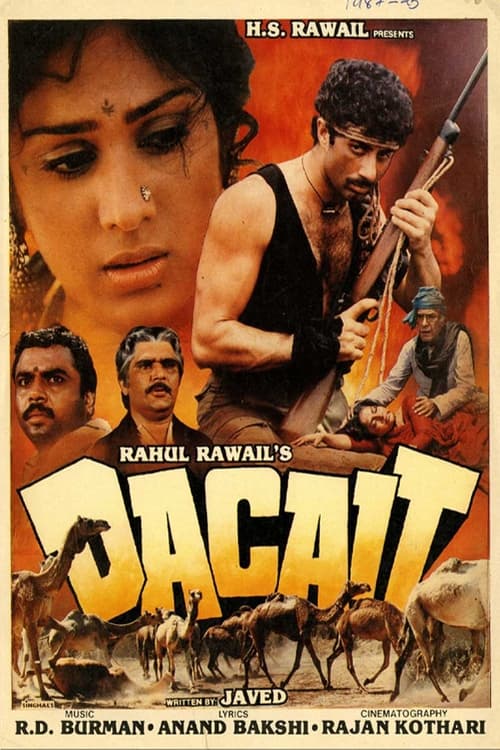
Rahul Rawail
Runtime
158 minutes
Average Rating
No ratings yetNew Showbiz Analysis
Dacait is a classic social drama that uses the framework of 1980s action cinema to critique systemic corruption. While it lacks diversity in terms of gender ability to act and LGBTQ+ representation, it excels in its portrayal of social stratification. The film uses caste and class distinctions to create a compelling conflict, moving beyond simple heroics to examine how broken social contracts force individuals into vigilantism. However, it relies on traditional clichés, particularly regarding the role of women and the use of mental trauma as a narrative tool. It reinforces period-standard gender hierarchies and lacks representation for disabled characters.
Category Breakdown
The film does not include any LGBTQ+ characters or stories. It focuses on traditional family units where everyone is assumed to be straight.
Female characters mainly serve as catalysts for the male protagonist's emotional journey or as victims of violence. The narrative ability to act is mostly centered around the male lead.
The cast is ethnically uniform, reflecting rural North India. However, the film offers a detailed look at the socioeconomic and caste-based divisions between the aristocracy and the peasantry.
The story criticizes local authorities and land-owning hierarchies. It portrays the protagonist's vigilantism as a necessary response to a corrupt social contract and failing state.
There is no meaningful depiction of physical or neurodivergent disabilities. Mental instability is used as a tragic plot device rather than exploring the lived experience of those affected.
Present on Screen
Limited or Absent
Official Synopsis
Arjun Yadav return from the city after completing his studies to get settled in his village with his family consisting of his mother Devi Chaudaran, his older brother Amrit and sister. Arjun finds out that Amrit and Thakur Bhanwar Singh does not get along quiet well and attempts to be a peace-maker between the two. One day situation takes a turn for the worse when Amrit is killed, Devi Chaudaran loses her senses, Arjun's sister is raped and he himself is beaten and tied to a tree. Arjun is then rescued by some sympathetic villagers and run off with his childhood friend Makan Malla in the deep ravines only to turn an outlaw whose only motive is to avenge the killings of his family members.
1990

1973
1990

2012
1990
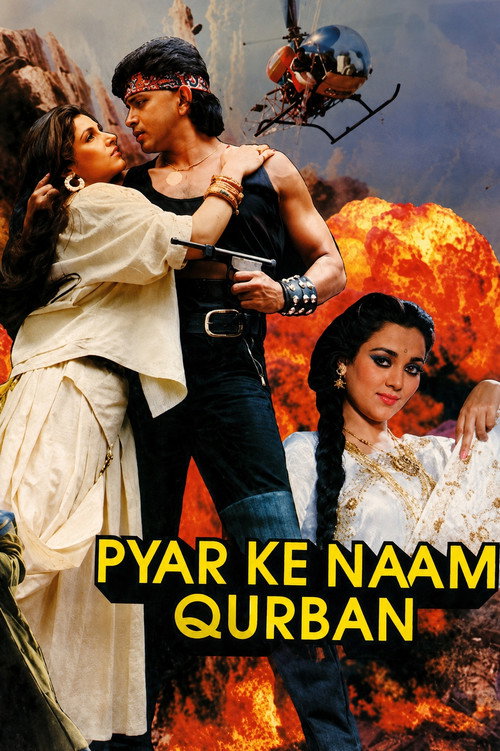
1990
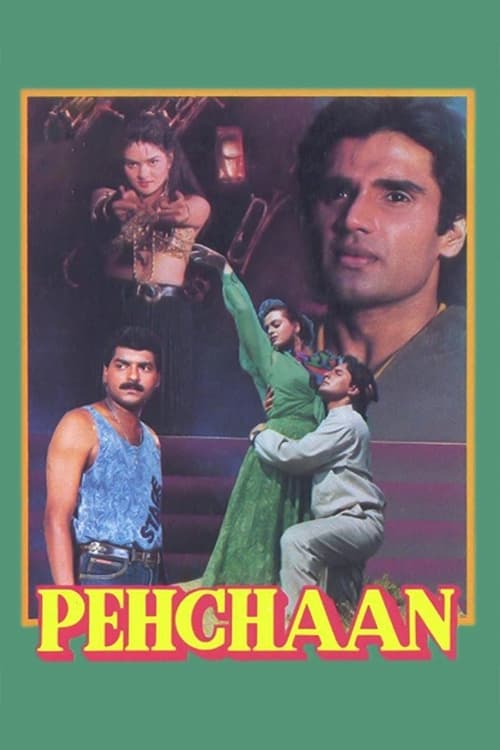
1993

2002
No reviews yet. Be the first to share your thoughts on this movie!
Use the rating form above to leave a star rating and optional review.