La plaça del Diamant
1982
No user ratings available yet
Representation score: 6.7 out of 10
Representation Score
Fair
1985
Director
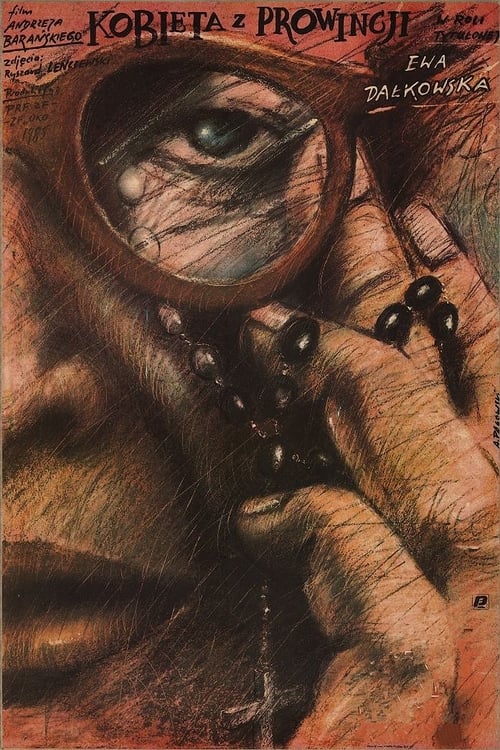
Andrzej Barański
Runtime
104 minutes
Average Rating
No ratings yetNew Showbiz Analysis
Woman from the Provinces is a work of social realism that prioritizes class and gendered endurance over modern multi-layered markers. It succeeds in challenging gendered passivity by centering a working-class woman's struggle against historical and economic pressures. However, the film remains limited by its lack of LGBTQ+ representation and ethnic diversity. The narrative is deeply rooted in a specific Polish historical context, which results in a homogeneous cast and traditional social structures. Ultimately, the film's value lies in its portrayal of women's ability to drive the story and the grit required to survive systemic oppression, even if it does not address a broad spectrum of identity politics.
Category Breakdown
The film lacks any visible LGBTQ+ characters or narratives. The story focuses strictly on traditional familial roles, centering on the protagonist's life as a mother and wife.
Andzia serves as a strong central figure rather than a peripheral character. The narrative highlights her resilience and her significant role in driving the story as she navigates economic hardship and raises children alone.
The cast appears ethnically homogeneous, reflecting the film's Polish provincial setting. While racial diversity is low, the historical context of German occupation introduces themes of ethnic tension.
The film offers a nuanced critique of systemic instability and class struggle. It avoids idealized social stability, focusing instead on the weight of survival during wartime and labor.
There is no information available regarding the depiction of physical or neurodivergent disabilities within the film.
Present on Screen
Limited or Absent
Official Synopsis
Sixty-year-old Andzia has lived in a small town since birth. She is married to the owner of an apartment building. She marries him at the age of 50. Before that, she raised two children alone. Andzia is a simple woman and does not see the banality of her daily existence. In her fifties she is a dishwasher in a restaurant. She desires to marry her daughter and strives for her growing son to get a profession. Small savings give her the greatest satisfaction. During the occupation, she works for the Germans in a soldier's kitchen.
1982

1950
1975

1988
1989
1980
1987
1951
No reviews yet. Be the first to share your thoughts on this movie!
Use the rating form above to leave a star rating and optional review.