Germany Pale Mother
1980
No user ratings available yet
Representation score: 6.3 out of 10
Representation Score
Limited
1989
Director
Joseph Vilsmaier
Runtime
111 minutes
Average Rating
No ratings yetNew Showbiz Analysis
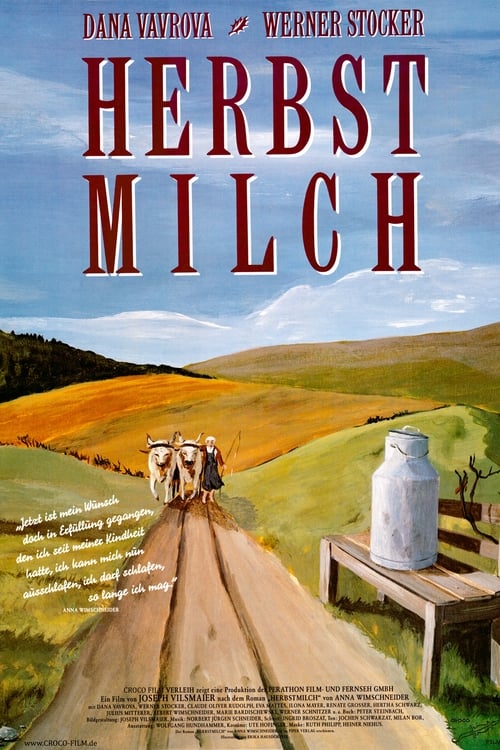
Autumn Milk is a period drama that prioritizes historical authenticity over modern diversity. It captures a specific, localized moment in rural Bavaria, which naturally limits its racial and LGBTQ+ breadth. The film finds its strength in gender representation, moving beyond simple clichés to show women as the primary drivers of survival. It explores how domestic power dynamics shift when traditional male structures collapse during wartime. Ultimately, the work functions as a study of individual resilience during systemic upheaval, even if its demographic scope remains narrow and historically specific.
Category Breakdown
The film focuses strictly on structures that assume everyone is straight or cisgender within a mid-20th-century Bavarian village. There is no depiction of non-traditional gender identities or same-sex relationships.
The narrative centers on a woman's ability to drive the story and her resilience in the face of systemic collapse. The protagonist challenges the passive female cliché by managing a large household and navigating domestic tyranny.
The cast is ethnically homogeneous, reflecting the rural Bavarian setting of the 1940s. It offers a localized portrayal of the German peasantry without addressing racial diversity.
The story explores moral relativism and the breakdown of state authority during the collapse of the Third Reich. Religious institutions exist as part of the cultural fabric.
Sick relatives appear as characters within the family unit. They primarily serve as catalysts for the protagonist's labor rather than as autonomous individuals.
Present on Screen
Limited or Absent
Official Synopsis
With the death of her mother, eight-year-old Anna ends her childhood: From now on, she has to look after the nine-member family. Deprivation-rich years, which also find no end when Anna marries: Her husband Albert must be a soldier in the Second World War, and the pregnant Anna has to work hard in the farm and care sick relatives. Lonely and exposed to the harassment of the tyrannical mother-in-law, she waits for Albert, with no certainty that he will ever return.
1980
1979
1991
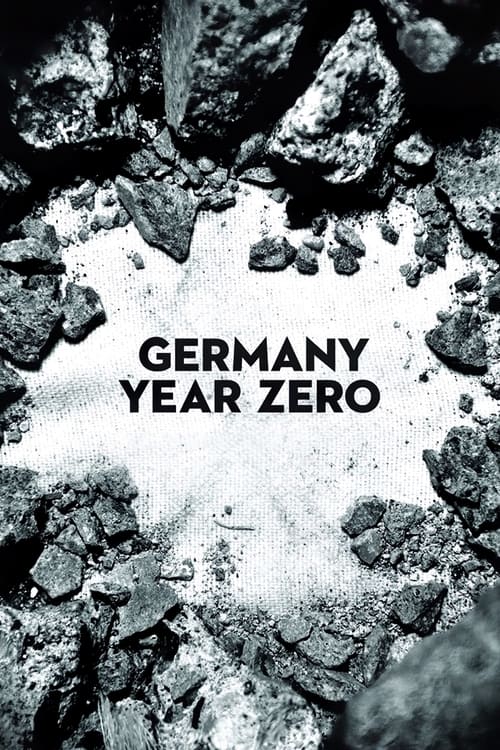
1948
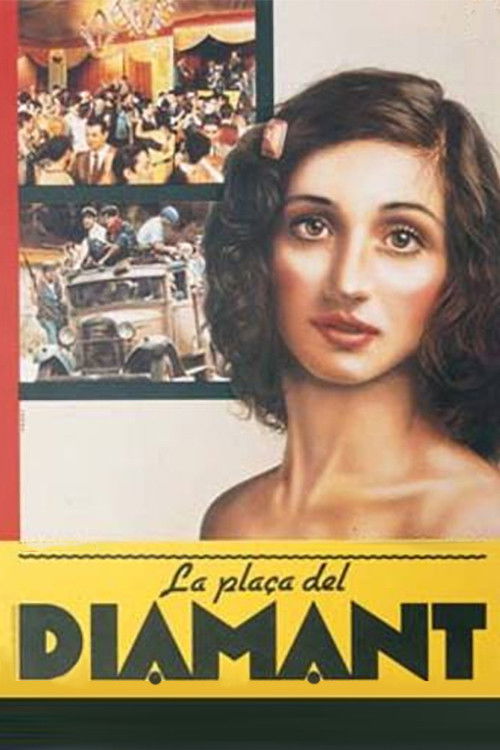
1982
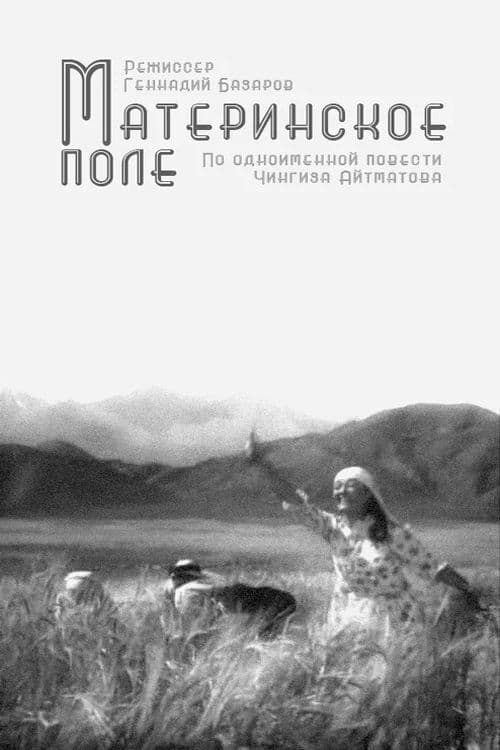
1968
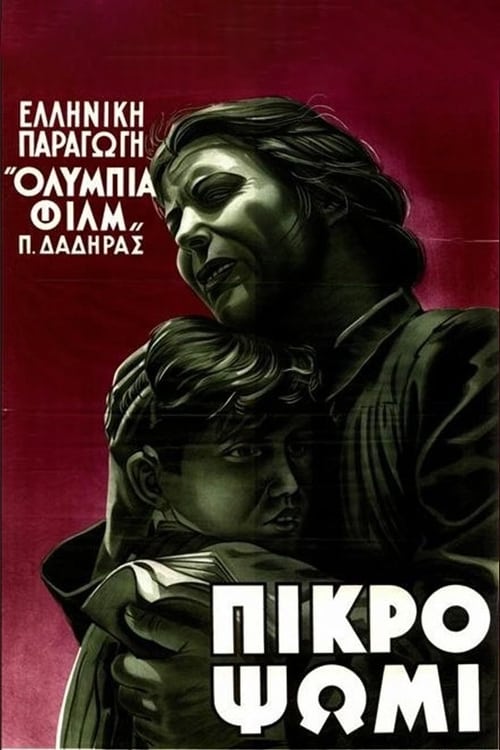
1951
2011
No reviews yet. Be the first to share your thoughts on this movie!
Use the rating form above to leave a star rating and optional review.