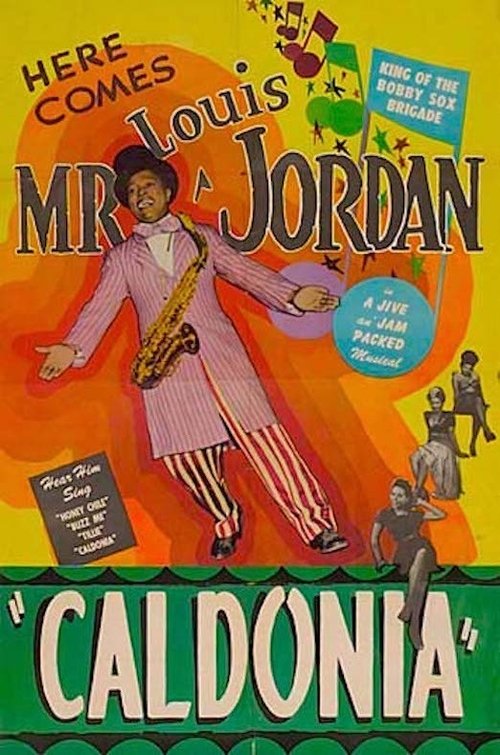
Caldonia
1945
No user ratings available yet
Diversity score: 6.1 out of 10
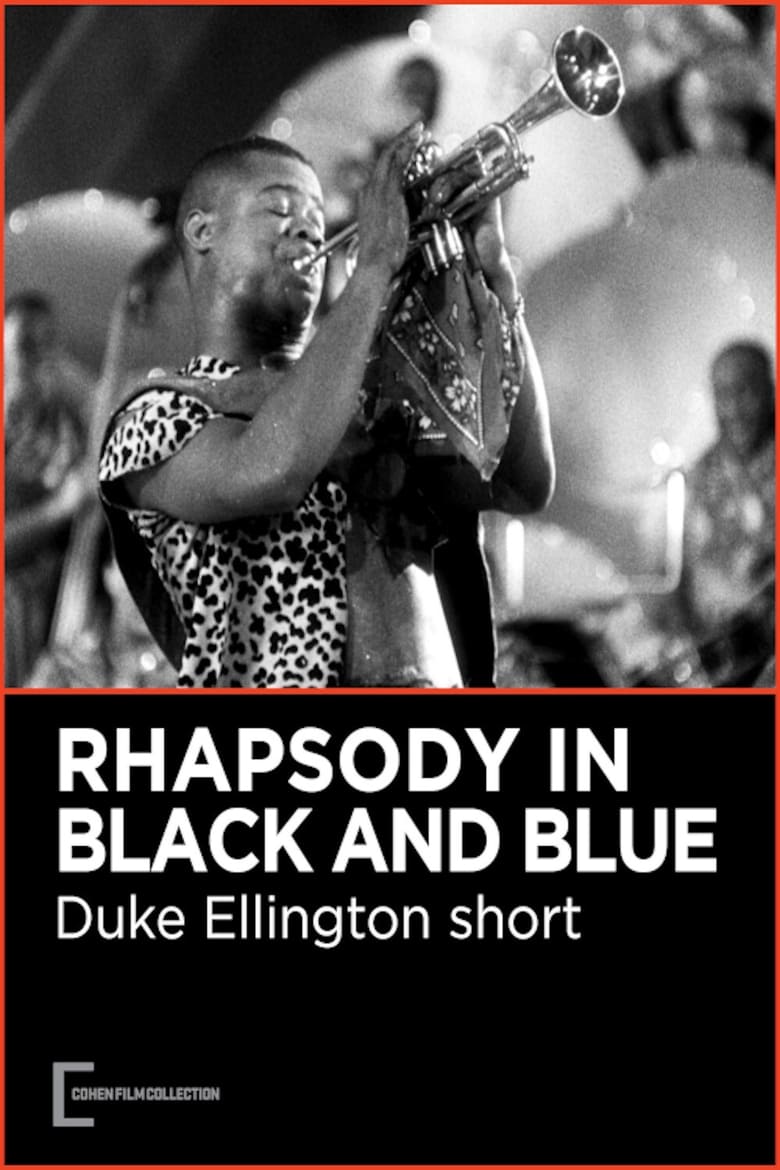
1932
Director
Aubrey Scotto
Runtime
10 minutes
Average Rating
No ratings yetSynopsis
A husband who listens to jazz instead of mopping the floor is brained with a mop by his wife; he dreams he's King of Jazzmania, a land of soapsuds where Louis Armstrong performs 'I'll Be Glad When You're Dead You Rascal You' and 'Shine'.
Overall Score
Good
Category Breakdown
LGBTQ+ Representation
The film lacks explicit evidence of queer narratives or non-heteronormative identities. The story centers on a traditional, if dysfunctional, marital relationship.
Gender Representation
The narrative subverts domestic tropes through slapstick, as the wife uses a mop to discipline her husband. However, the conflict remains tied to traditional gendered labor disputes.
Racial & Ethnic Diversity
The film shows progressive intent by centering Black musical excellence through Louis Armstrong. The 'Jazzmania' setting allows Black artistry to act as a sovereign, celebratory force.
Religious & Cultural Diversity
A surrealist framework prioritizes artistic expression over domestic stability. The dream world suggests a preference for creative autonomy over rigid household expectations.
Disability Representation
There are no identifiable depictions of physical or neurodivergent disabilities within the narrative.
Strengths
Areas for Improvement
AI Analysis
A Rhapsody in Black and Blue stands out for its historical decision to center Black musical agency. By placing Louis Armstrong at the heart of a celebratory dreamscape, the film elevates jazz culture above the mundane domesticity of the era. While the film makes strides in racial representation, it remains limited in other areas. The gender dynamics rely on slapstick tropes regarding household chores, and the central relationship follows a conventional heterosexual structure. Ultimately, the film's strength lies in its surrealist escapism, using the 'Jazzmania' concept to challenge the marginalization of Black performers common in the 1930s.
1945
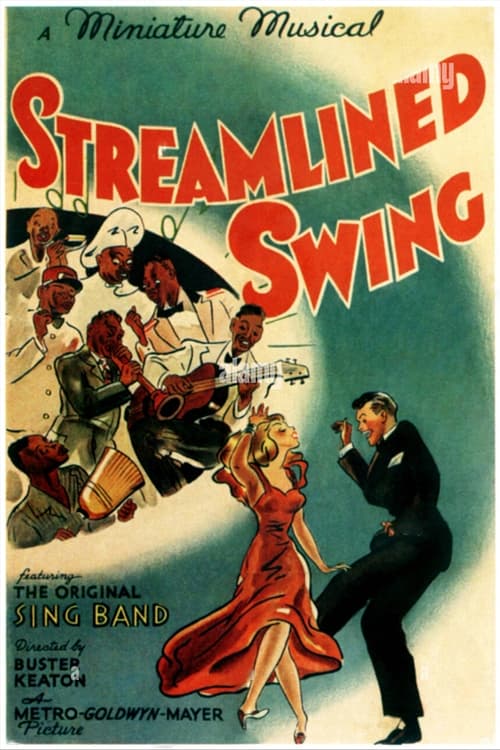
1938
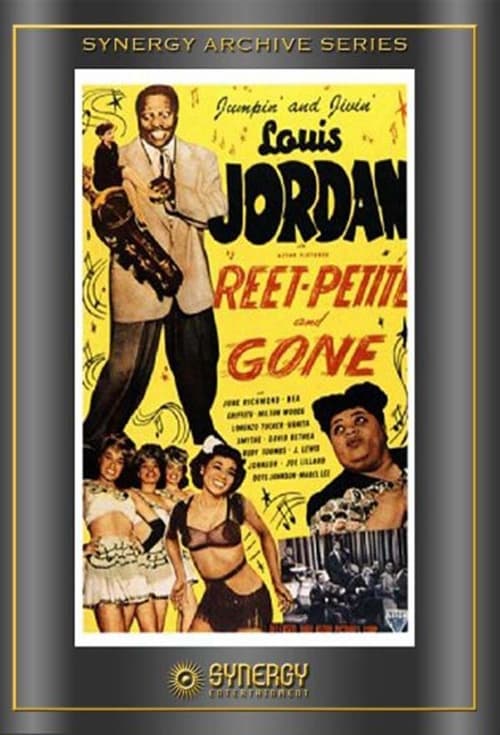
1947
1942
1939
1934
1930
1944
1934
1947
1937
1936
No reviews yet. Be the first to share your thoughts on this movie!
Use the rating form above to leave a star rating and optional review.