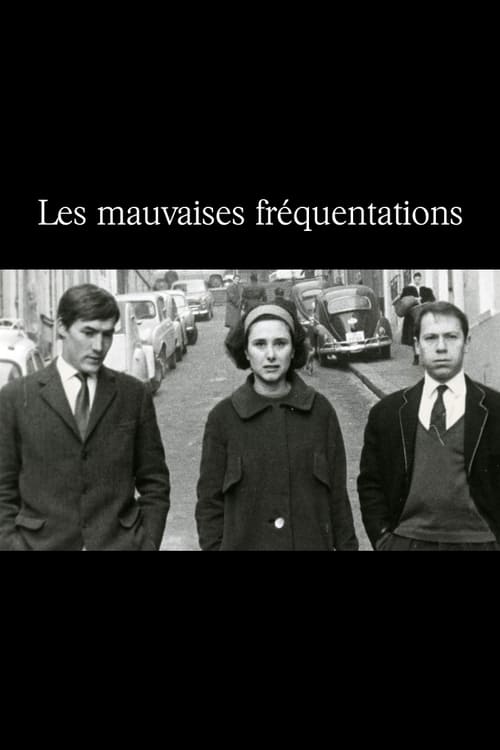
Bad Company
1969
No user ratings available yet
Representation score: 5.7 out of 10
Representation Score
Minimal
1959
Director
Jean-Pierre Mocky
Runtime
78 minutes
Average Rating
No ratings yetNew Showbiz Analysis
The Chasers is a character-driven social drama centered on traditional masculine social navigation. While Jean-Pierre Mocky is known for iconoclastic filmmaking, this specific work adheres closely to the gender and social hierarchies of the late 1950s. The film's structure prioritizes male control, with women serving mainly as targets of pursuit. This narrow perspective lacks depth in representing diverse identities. Ultimately, the film offers a conventional, straight-centered view of urban Parisian nightlife, with little disruption to the era's standard social dynamics.
Category Breakdown
The film operates within a traditional framework that assumes everyone is straight or cisgender. There is no evidence of queer identities, and the story focuses exclusively on two male protagonists pursuing women.
The male leads drive the plot, while female characters primarily serve as objects of the male gaze. Women have limited roles in advancing the story.
The film likely reflects the predominantly white, Eurocentric cast typical of 1959 Paris. There is no indication of diverse racial or ethnic representation.
The setting explores a secular, urban Parisian nightlife. The focus remains on individualistic social dynamics without addressing deeper systemic issues.
There is no evidence of characters with visible or invisible disabilities within the film's narrative or character descriptions.
Present on Screen
Limited or Absent
Official Synopsis
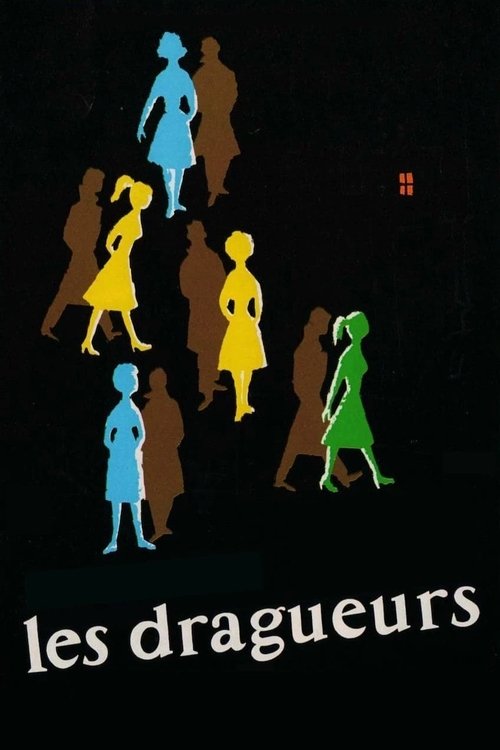
Two young men, one shy and one self-confident, spend a fast-paced night in Paris trying to pick up chicks. They confront every possible difficulty
1969

1974
1965
1972
1957
1985
1961
1961
No reviews yet. Be the first to share your thoughts on this movie!
Use the rating form above to leave a star rating and optional review.