What Ever Happened to Baby Toto?
1964
No user ratings available yet
Representation score: 2.3 out of 10
Representation Score
Good
1973
Not RatedDirector
Elio Petri
Runtime
121 minutes
Average Rating
No ratings yetNew Showbiz Analysis
Elio Petri’s film is a powerful political commentary that prioritizes ideological critique over demographic diversity. Its strength lies in its deep engagement with systemic critique, using a Marxist framework to challenge the morality of the bourgeois class and the sanctity of private property. However, the film lacks broad representation. It features a largely homogeneous cast and does not include LGBTQ+ characters or significant racial diversity, focusing instead on class struggles within a specific Italian context. Ultimately, the film prioritizes a philosophical exploration of systemic oppression over traditional representation metrics.
Category Breakdown
The film does not include any LGBTQ+ characters or explore non-straight relationships. It focuses on a traditional social setting without addressing LGBTQ+ issues or critiques of straight relationships.
The story centers around the mental breakdown of the male protagonist. Instead of portraying stable masculinity, it shows masculinity as deeply unstable and alienated.
Set in a 1970s Italian urban environment, the cast is fairly uniform. The narrative emphasizes class differences over racial or ethnic diversity.
The film critically examines Western capitalism through a Proudhonist perspective. It dismantles the idea of private property as sacred and portrays institutions as inherently corrupt and alienating.
The main character suffers from a psychosomatic allergy to paper money, which symbolizes his rejection of the dominant capitalist system.
Present on Screen
Limited or Absent
Official Synopsis
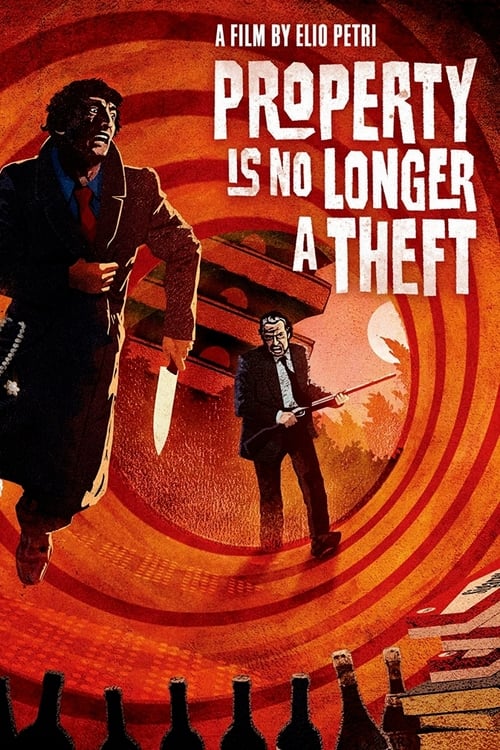
A young bank teller, literally allergic to paper money, becomes the worst nightmare of his best customer, a wealthy butcher who manages his business unscrupulously.
1964
1975

1979
1972
1977

1966

1979

1981
No reviews yet. Be the first to share your thoughts on this movie!
Use the rating form above to leave a star rating and optional review.