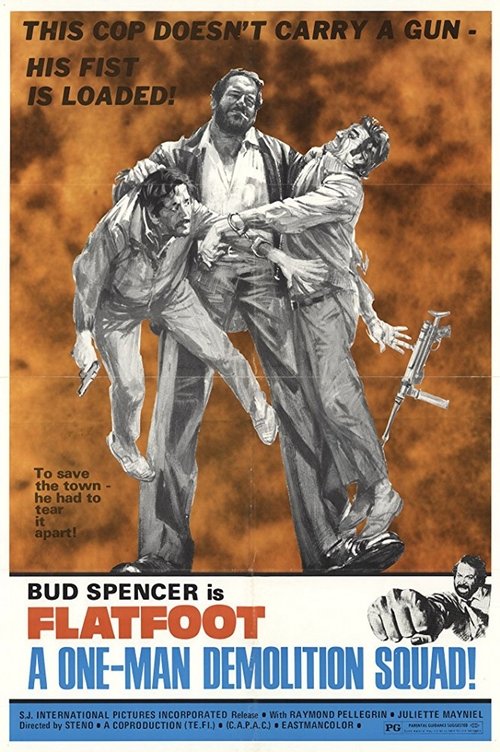
The Knock Out Cop
1973
No user ratings available yet
Representation score: 3.8 out of 10
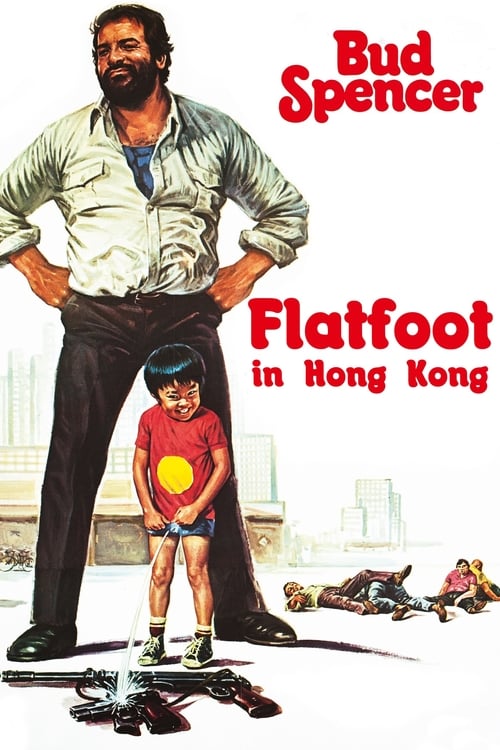
Representation Score
Limited
1975
Director
Steno
Runtime
108 minutes
Average Rating
No ratings yetNew Showbiz Analysis
Flatfoot in Hong Kong is a conventional genre piece that operates within the established social and narrative boundaries of 1970s Italian cinema. It relies on traditional archetypes of law and order to drive its plot. While the film benefits from its international setting and the resulting cultural diversity, it does not actively seek to challenge traditional hierarchies of gender, sexuality, or institutional authority. The narrative remains firmly rooted in the masculine-driven investigative clichés of the era. Ultimately, the film serves as a product of its time, offering geographic variety without significantly challenging social norms.
Category Breakdown
The film does not include any LGBTQ+ characters or narratives. It follows the typical social structures of 1970s crime cinema, emphasizing a standard masculine-driven investigative plot.
The male protagonist, Inspector Rizzo, holds significant control over the narrative. The story upholds traditional gender roles within the police force and criminal underworld.
Set in Hong Kong, the film offers a cross-cultural experience between the Italian protagonist and the local environment. This geographic displacement moves beyond the usual Eurocentric crime drama norms.
The story follows a classic hero-versus-corruption theme focused on restoring institutional integrity. It emphasizes traditional values of justice and systemic stability over moral relativism.
The film does not feature any characters with visible or invisible disabilities.
Present on Screen
Limited or Absent
Official Synopsis
Inspector Rizzo is accused of drug trafficking. In order to clear his name he has to find out who is the person, from a Mafia ring, who has infiltrated his police department.
1973
1972
1973
1972

1980
1975
1976

2001
No reviews yet. Be the first to share your thoughts on this movie!
Use the rating form above to leave a star rating and optional review.