
Duel of Champions
1961
No user ratings available yet
Representation score: 1.8 out of 10
Representation Score
Limited
1964
Director
Mario Caiano
Runtime
100 minutes
Average Rating
No ratings yetNew Showbiz Analysis
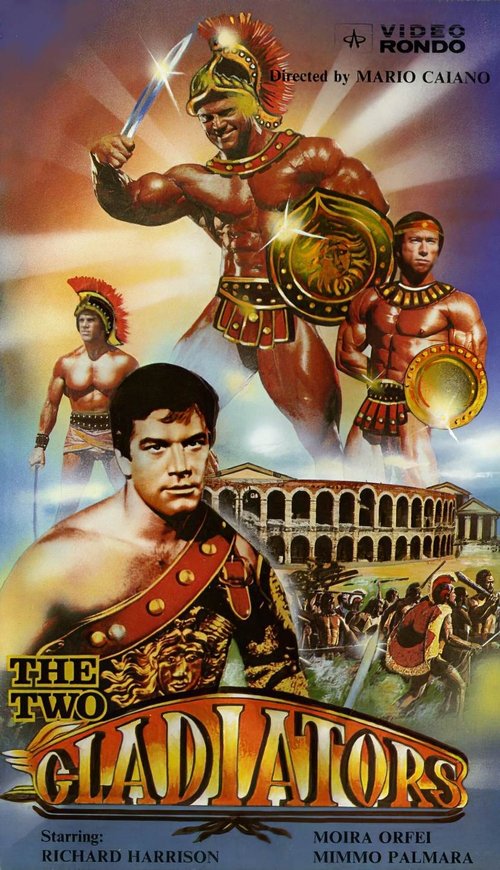
The Two Gladiators is a classic example of the 1960s Peplum genre, emphasizing historical spectacle and masculine-centric narratives. The film centers on the struggle for power and survival in the arena, sidelining diverse perspectives. Representation is constrained by the era's conventions, focusing on traditional power structures and a homogeneous depiction of the Roman elite. The film serves as a straightforward adventure drama without engaging in social or systemic critique. Ultimately, the work lacks the intentionality needed to challenge traditional hierarchies or offer meaningful characters who reflect more than one aspect of diversity, staying true to its historical context.
Category Breakdown
The film follows the typical masculine roles of 1960s adventure cinema. There are no representations of non-traditional gender identities or same-sex relationships.
The story focuses primarily on the strength and competitiveness of male characters. It lacks opportunities for women to take leading roles, reinforcing traditional male dominance.
The cast includes both Italian and American actors typical of mid-century productions. The visuals emphasize a uniform portrayal of the Roman ruling class.
The plot highlights honor and the social structure of Ancient Rome. It uses societal hierarchies as a backdrop for conflict without critiquing the system itself.
Characters with disabilities are not given significant roles. Physical limitations are used as obstacles rather than explored as part of their identity.
Present on Screen
Limited or Absent
Official Synopsis
The twins of the recently departed Marcus Aurelius fight it out to see who will become emperor of Rome.
1961

1967

1962

1962

1966
1971
1962

1961
No reviews yet. Be the first to share your thoughts on this movie!
Use the rating form above to leave a star rating and optional review.