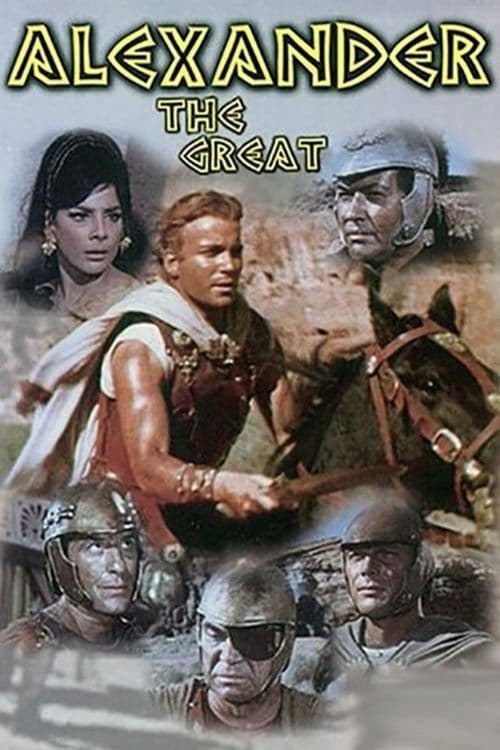
Alexander The Great
1968
No user ratings available yet
Representation score: 2.4 out of 10
Representation Score
Minimal
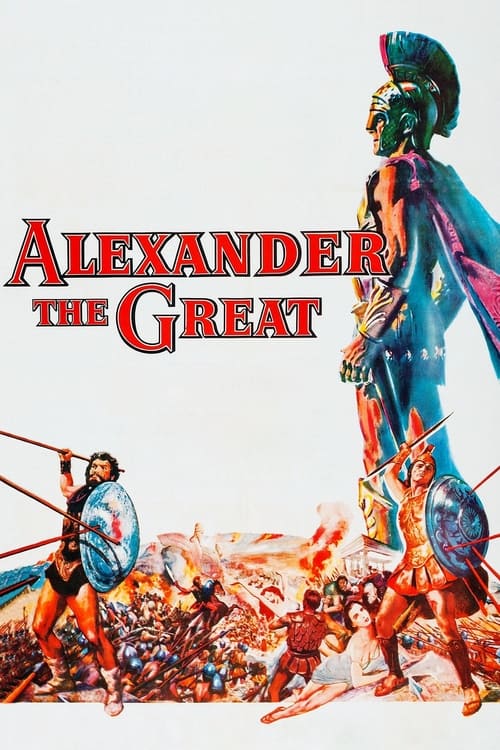
1956
PGDirector
Robert Rossen
Runtime
136 minutes
Average Rating
No ratings yetNew Showbiz Analysis
This historical epic emphasizes the 'Great Man' theory of history, focusing on individual greatness and imperial destiny. It adheres to mid-century cinematic norms, prioritizing classical heroism over the deconstruction of social hierarchies. While the film offers nuanced psychological depth regarding the personal toll of leadership, it lacks the intentionality to disrupt conventional gender or racial structures. Ultimately, the film serves as a quintessential example of 1950s Hollywood storytelling, where the pursuit of empire is framed through personal tragedy rather than a critique of institutional power.
Category Breakdown
The story focuses on traditional family structures and dynastic ambitions without any representation of LGBTQ+ identities or non-assuming gender matches what was assigned at birth gender expressions.
Alexander is the central male figure in a patriarchal framework, while Olympias disrupts male dominance with her sophisticated political influence and psychological depth.
The film uses a diverse international cast to depict the clash between Macedonians and Persians, relying on period-appropriate ethnic distinctions to visually differentiate the two cultures.
The story emphasizes Hellenic exceptionalism, presenting Greek thought as a vehicle for enlightenment and portraying monarchy and empire as stabilizing forces rather than oppressive systems.
The film does not include characters with visible or invisible disabilities, nor does it utilize disability as a narrative device in this historical epic.
Present on Screen
Limited or Absent
Official Synopsis
An engrossing spectacle set in the 4th-century BC, in which Alexander of Greece leads his troops forth, conquering all of the known world, in the belief that the Greek way of thinking will bring enlightenment to people. The son of the barbaric and ruthless King Philip of Macedonia, Alexander achieved glory in his short but remarkable life.
1968
1944
2004
1961
1959
1954
1965
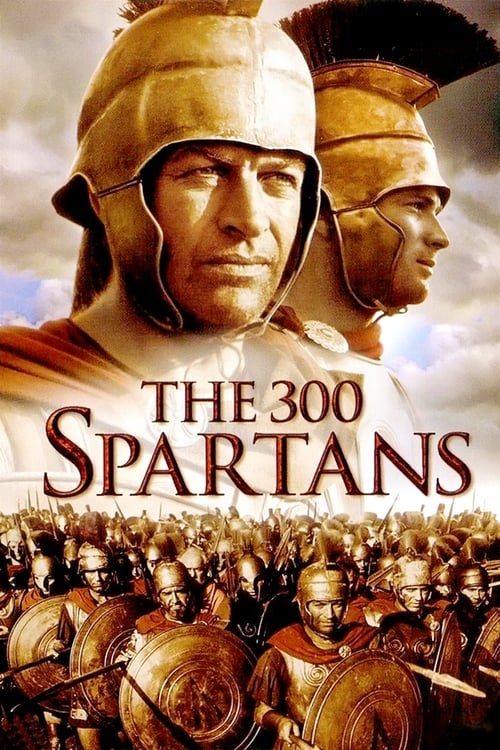
1962
No reviews yet. Be the first to share your thoughts on this movie!
Use the rating form above to leave a star rating and optional review.