The White Warrior
1959
No user ratings available yet
Diversity score: 2.9 out of 10
1966
Director
Dinu Cocea
Runtime
95 minutes
Average Rating
No ratings yetSynopsis
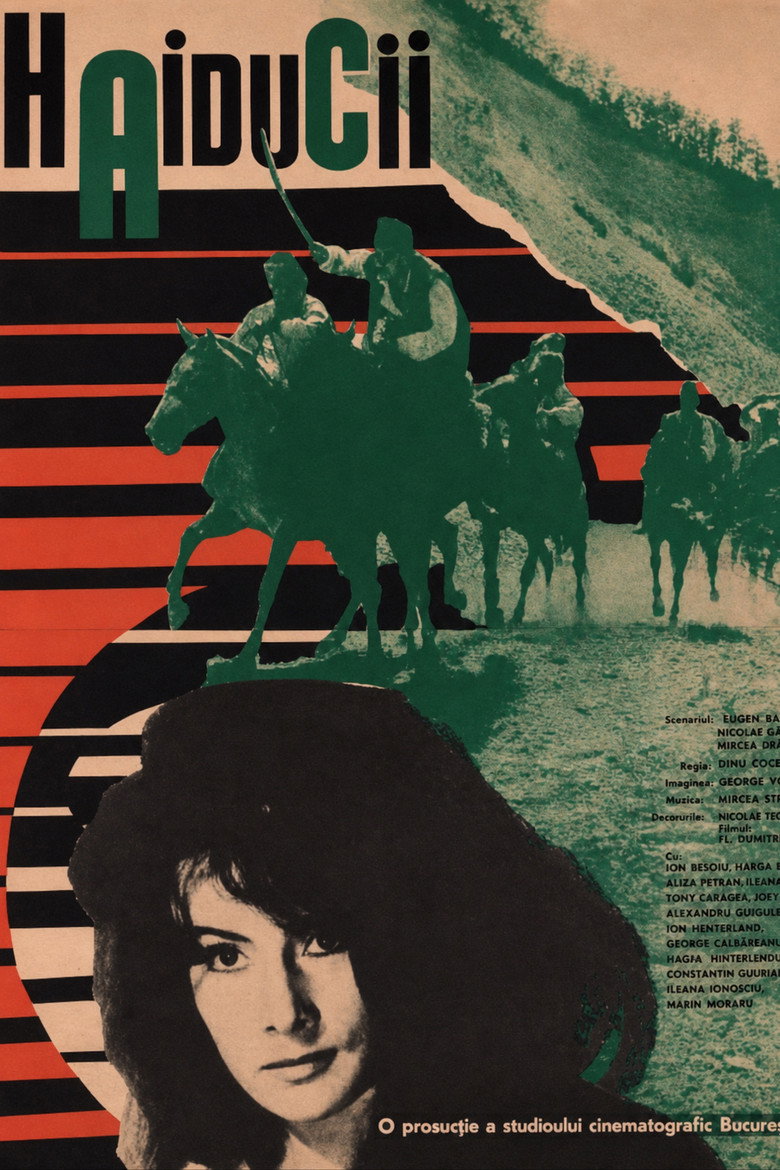
First of 2 films set during the 18th century in the mountains of Wallachia, about a band of outlaws aiming to undermine the rule of the Phanariots and the Ottomans. The story evolves around the two stepbrothers who lead this band, Sarbu and Amza, with their complex and violent relationship.
Overall Score
Limited
Category Breakdown
LGBTQ+ Representation
The film adheres to 1960s historical adventure conventions. It lacks non-cisnormative identities, focusing instead on the masculine bonds within the outlaw band.
Gender Representation
The narrative centers on masculine archetypes and the violent relationship between stepbrothers. Women occupy secondary roles without driving the central conflict or demonstrating significant agency.
Racial & Ethnic Diversity
The cast features Romanian actors portraying local characters in 18th-century Wallachia. It avoids whitewashing by centering the indigenous population against Ottoman and Phanariot influences.
Religious & Cultural Diversity
The story frames outlaws as rebels against oppressive Phanariot and Ottoman rule. This creates a narrative that critiques centralized authority and imperial power structures.
Disability Representation
There is no discernible representation of visible or invisible disabilities. Characters are defined by their roles as warriors rather than through neurodivergence or physical impairment.
Strengths
Areas for Improvement
AI Analysis
The Outlaws is a genre-driven historical epic that prioritizes social upheaval over modern intersectional markers. It succeeds in its cultural framing by validating the agency of those on the fringes of society. While the film lacks LGBTQ+ and disability representation, it provides a meaningful depiction of systemic struggle. The narrative disrupts expectations of state legitimacy by centering a rebellion against imperial hegemony. Ultimately, the film's impact is found in its portrayal of the marginalized fighting against established political institutions, even if its gender dynamics remain traditional.
1959
2007
1971
1968
1972
1968
No reviews yet. Be the first to share your thoughts on this movie!
Use the rating form above to leave a star rating and optional review.