
Tarkan
1969
No user ratings available yet
Representation score: 4.3 out of 10
Representation Score
Limited
1973
Director
Mehmet Aslan
Runtime
84 minutes
Average Rating
No ratings yetNew Showbiz Analysis
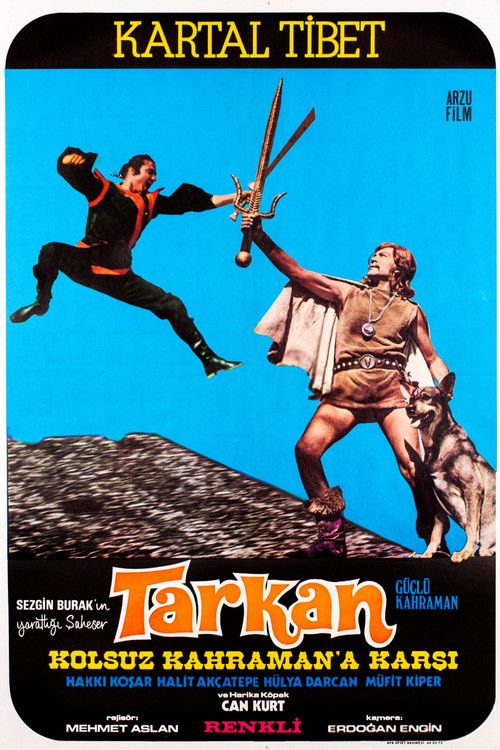
Tarkan and the Armless Hero is a quintessential product of the Yeşilçam era, deeply rooted in the mythic traditions of the sword-and-sandal genre. It stands out for its strong regional authenticity by featuring a predominantly Turkish cast and avoiding Western-centric casting clichés. However, the film remains tied to the conservative narrative structures of the 1970s. It upholds traditional gender hierarchies and does not offer progressive subversions of identity or diverse perspectives. The inclusion of a character with a physical disability adds a layer of complexity to the standard adventure formula, even if the portrayal adheres to period-specific conventions.
Category Breakdown
The film adheres to a traditional framework that assumes everyone is straight or cisgender. There are no characters with non-assuming gender matches what was assigned at birth gender identities or same-sex relationships.
Tarkan embodies the typical image of a dominant, hyper-masculine protector. Female characters mostly serve as romantic interests or figures needing rescue.
The production features a primarily Turkish cast reflecting the Silk Road setting. This avoids the whitewashing common in Western versions of similar genres.
The story emphasizes restoring order through individual martial prowess. It highlights mythic heroism and traditional morality without engaging in social critique.
The film includes a character with a physical disability, such as an amputation. While this adds a unique element, the portrayal follows traditional plot devices.
Present on Screen
Limited or Absent
Official Synopsis
Atilla the Hun, Tarkan its power in order to bring the sword to the floor at the pursuit of the enemy's appointed.
1969

1973
1970
1971
1969
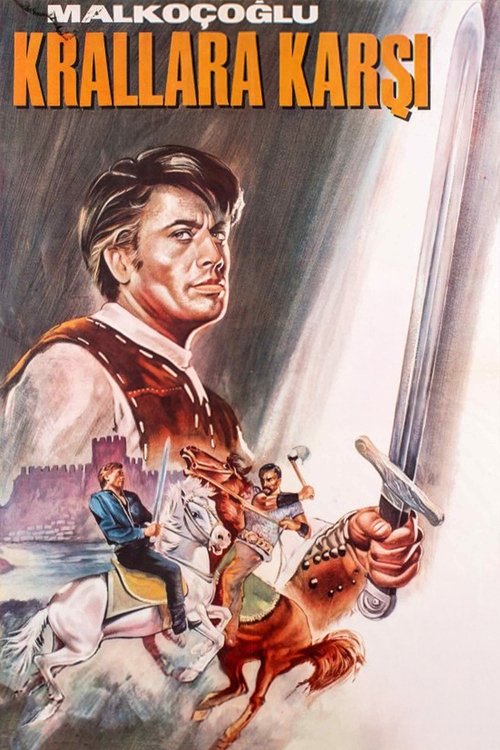
1967
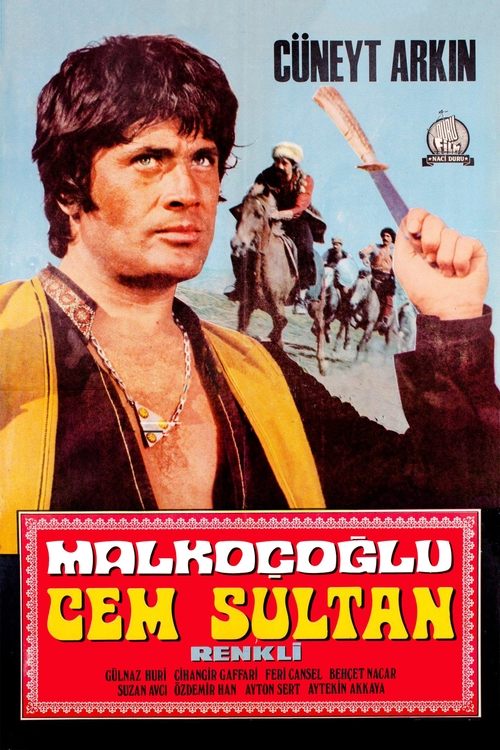
1970
No reviews yet. Be the first to share your thoughts on this movie!
Use the rating form above to leave a star rating and optional review.