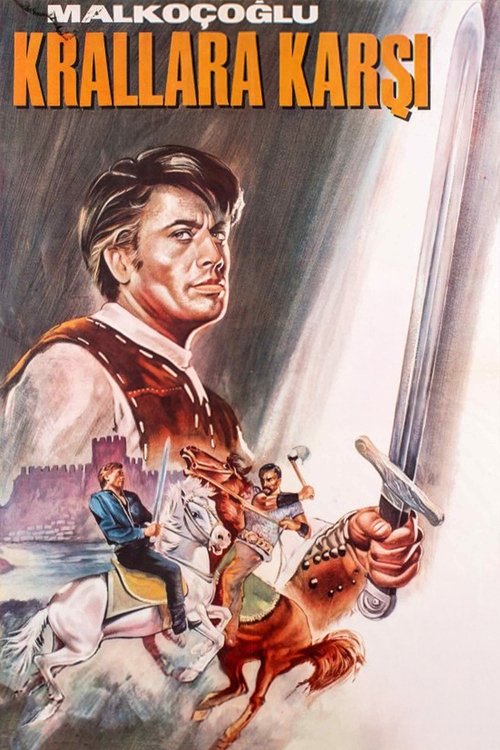
Malkoçoğlu vs The Kings
1967
No user ratings available yet
Representation score: 3.3 out of 10
Representation Score
Limited
1969
Director
Süreyya Duru, Remzi Jöntürk
Runtime
78 minutes
Average Rating
No ratings yetNew Showbiz Analysis
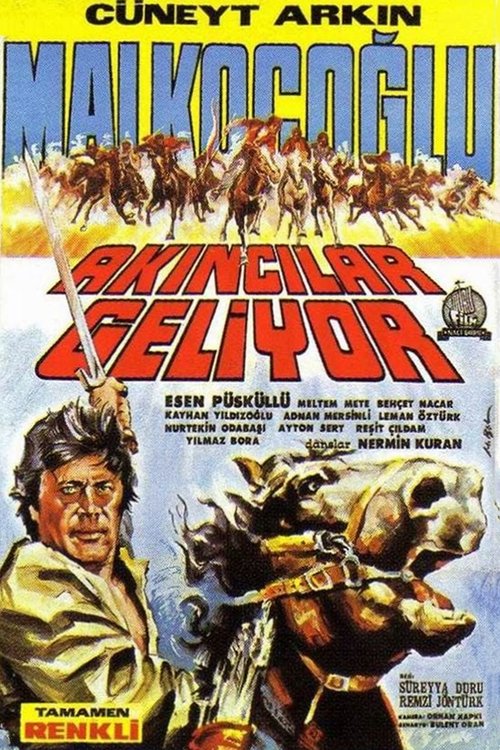
Malkoçoğlu: Akıncılar Geliyor is a traditional historical adventure that emphasizes classic heroism and geopolitical conflict. The film adheres to the storytelling norms of 1960s Turkish cinema, focusing on state loyalty and military duty. The narrative structure centers around male characters who drive the plot. While the setting involves multiple ethnic groups, the characters are portrayed more as archetypes within a period drama than as nuanced individuals. Overall, the film does not include underrepresented identities or challenge social hierarchies, presenting itself as a typical genre piece of its time.
Category Breakdown
The film does not include any LGBTQ+ characters or non-straight relationships. The story focuses on traditional heterosexual relationships.
Female characters, such as the Serbian king's daughter, mainly act as catalysts for male-driven conflicts. Male characters have the most influence over the plot.
The story includes a variety of ethnic groups, including Ottoman, Serbian, and Byzantine. However, these groups are represented through military conflict rather than through diverse personal identities.
The film follows traditional narratives emphasizing historical duty and state loyalty. It highlights nationalistic themes without challenging religious or Western institutions.
There are no characters with visible or invisible disabilities mentioned in the film.
Present on Screen
Limited or Absent
Official Synopsis
The Serbian state is a friend of the Ottoman Empire, but the Byzantine Empire wants to destroy this friendship. To this end, the Byzantine knight Nicholas will marry the daughter of the Serbian king and has also kidnapped the Ottoman artillery commander. Malkoçoğlu takes action to rescue the artillery commander and prevent the marriage.
1967
1974
1973
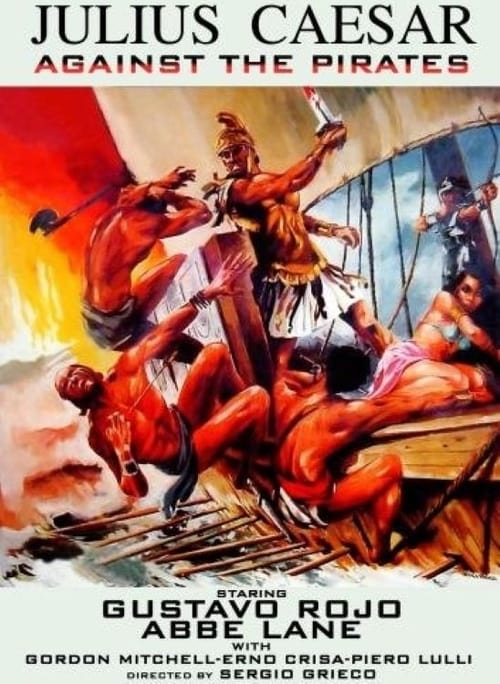
1962
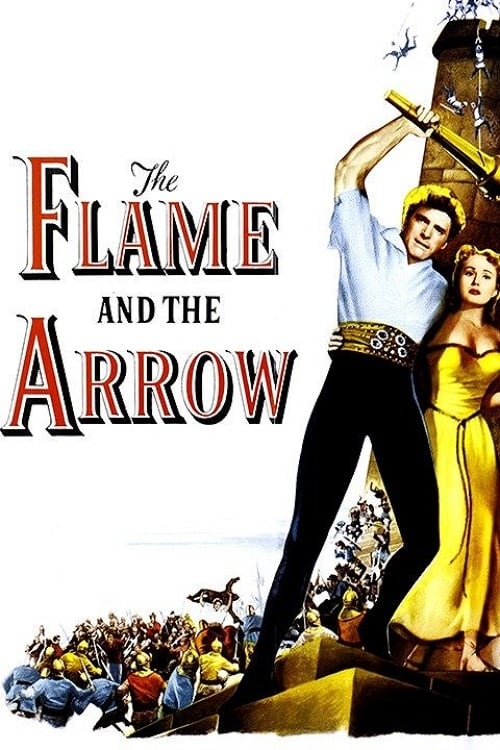
1950
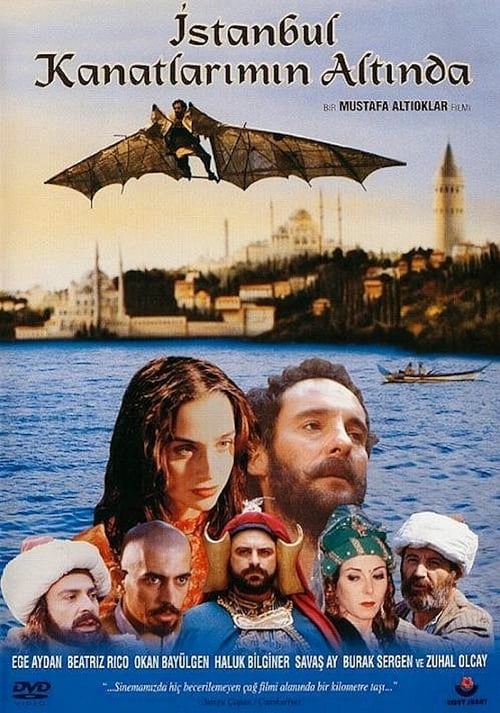
1996

1970
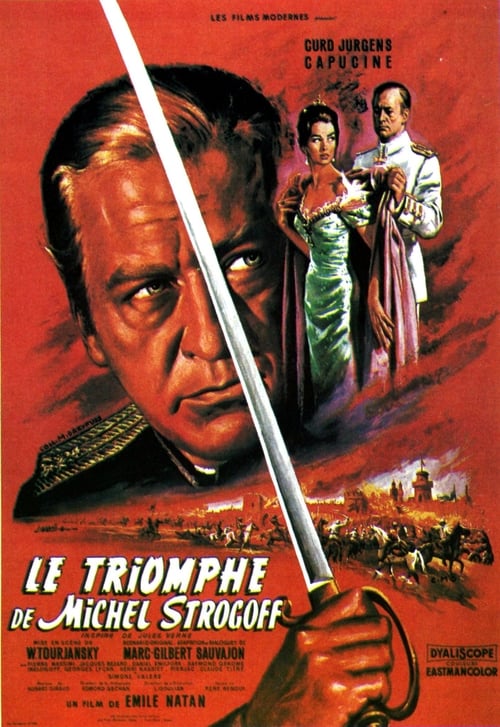
1961
No reviews yet. Be the first to share your thoughts on this movie!
Use the rating form above to leave a star rating and optional review.