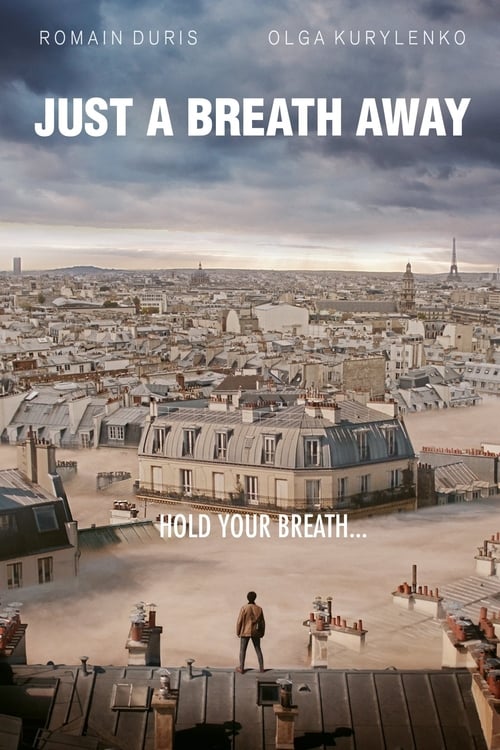
Just a Breath Away
2018
No user ratings available yet
Diversity score: 4.8 out of 10
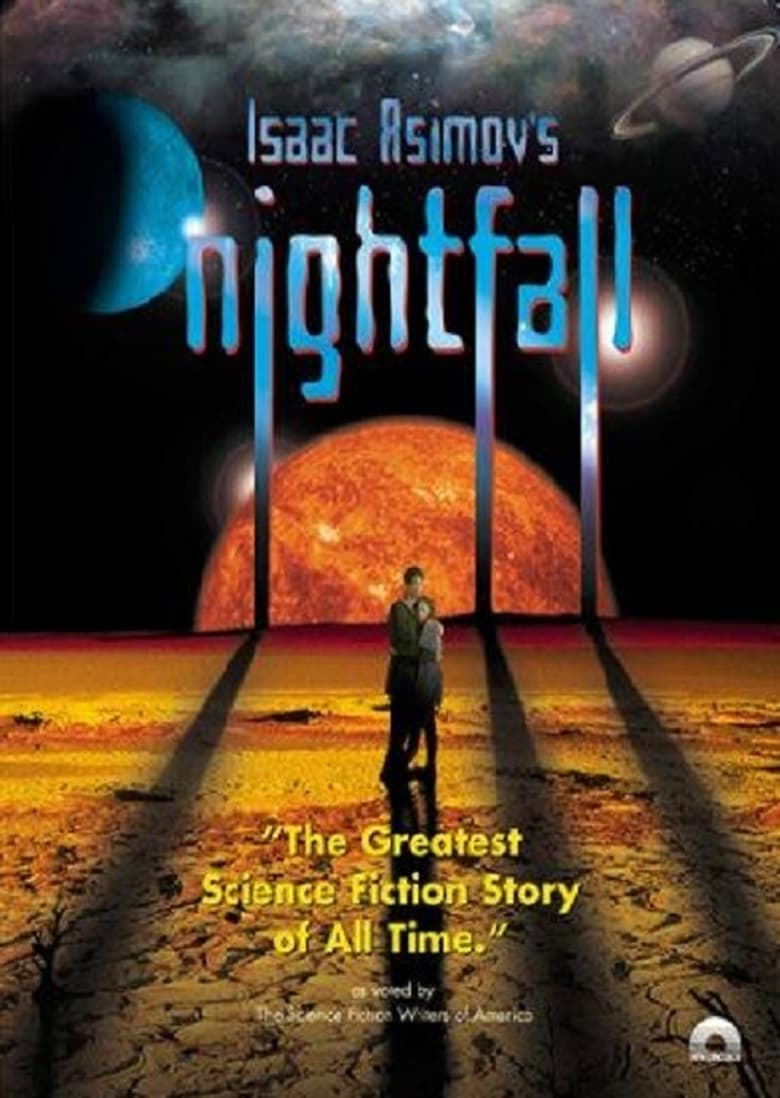
2000
RDirector
Gwyneth Gibby
Runtime
85 minutes
Average Rating
No ratings yetSynopsis
The people of the planet Aeon, blessed with six suns, have never experienced night. When an archeological excavation uncovers evidence of an ancient catastrophe, all signs point towards the impending darkness of the very first Nightfall. Panic erupts as the suns slowly disappear one by one. Science struggles against superstition as the people race to comprehend the approaching Nightfall... the end of the world as they know it. Based on Isaac Asimov's classic story "Nightfall," voted "The Greatest Science-Fiction Story OF All Time."
Overall Score
Good
Category Breakdown
LGBTQ+ Representation
The film lacks explicit evidence of LGBTQ+ characters or non-heteronormative relationship dynamics. The narrative focuses primarily on the existential threat of the planetary eclipse and the resulting societal panic.
Gender Representation
The production subverts traditional hierarchies by featuring a female director and a female lead in a high-stakes sci-fi setting. Female characters occupy roles of analytical agency, challenging masculine archetypes.
Racial & Ethnic Diversity
Casting includes a multi-ethnic ensemble with actors like Ashish Vidyarthi and Pradeep Ram Singh Rawat. This approach disrupts the historical tendency toward homogeneous, Anglo-centric space colonies in Western science fiction.
Religious & Cultural Diversity
The story explores the fragility of institutions by pitting scientific empiricism against religious superstition. This framework critiques how traditional dogma often obstructs progress during unprecedented systemic crises.
Disability Representation
There is no information regarding characters with physical, sensory, or neurodivergent disabilities. No specific representation is identified within the provided narrative details.
Strengths
Areas for Improvement
AI Analysis
Nightfall distinguishes itself through a multi-ethnic cast and a thematic focus on the collapse of established social orders. By centering a female lead and director, the film moves away from traditional sci-fi tropes that favor masculine archetypes of leadership. The narrative's strength lies in its intellectual conflict, using the impending darkness to critique how religious and social institutions react to crisis. This provides a sophisticated backdrop for exploring systemic change. However, the film lacks visible LGBTQ+ representation and provides no information regarding disability. The focus remains strictly on the tension between science and superstition during the planetary catastrophe.
No reviews yet. Be the first to share your thoughts on this movie!
Use the rating form above to leave a star rating and optional review.