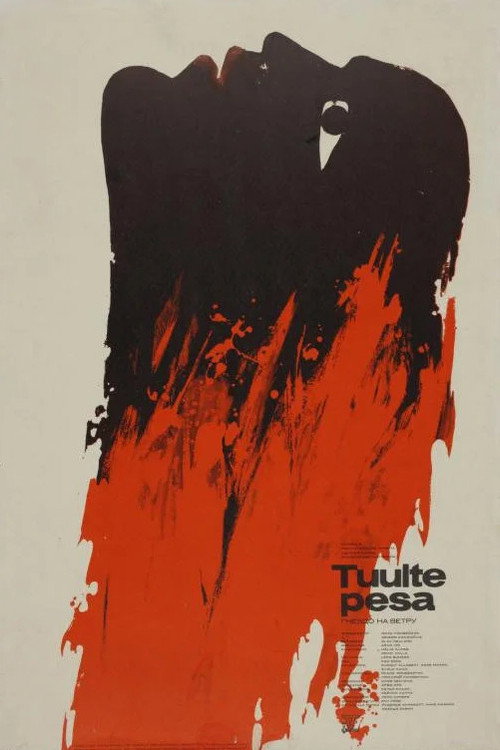
Nest of Winds
1979
No user ratings available yet
Representation score: 1.6 out of 10
Representation Score
Minimal
1964
(Banned)Director
Kaljo Kiisk
Runtime
95 minutes
Average Rating
No ratings yetNew Showbiz Analysis
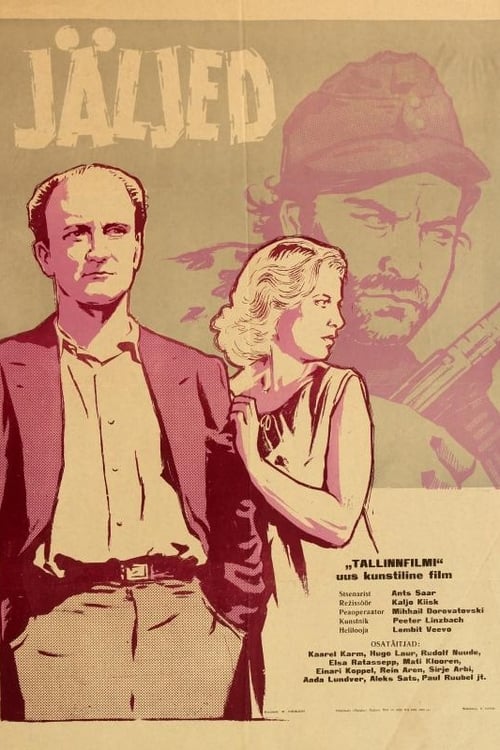
Traces is a period drama set in 1964 Estonia, focusing on the psychological impact of war and the establishment of collective farms. The narrative prioritizes a homogeneous social identity, reflecting the socio-political landscape of the time. The film adheres to traditional gender roles and romantic structures, offering limited opportunities to challenge established hierarchies. Its emphasis on collective stability over individual rebellion aligns with the institutional constraints of the era. Ultimately, the work serves as a study of communal resilience rather than a platform for diverse representation.
Category Breakdown
The film does not include any representation of non-binary genders or same-sex relationships. It focuses on traditional romantic relationships within a mid-century context.
Characters adhere to traditional gender roles of the mid-century. The protagonist, Valve, plays a significant role in driving the story, but her actions primarily serve to create tension within a traditional romantic relationship.
The cast is ethnically uniform, reflecting the film's setting in the Estonian Soviet Socialist Republic. There is no indication of diverse racial representation or blending of different cultural backgrounds.
The story highlights communal labor and state-aligned social structures through the establishment of collective farms. It emphasizes collective resilience over individualist or anti-establishment themes.
There is no information available regarding the depiction of physical or mental disabilities. Therefore, no assessment of representation in this category can be made.
Present on Screen
Limited or Absent
Official Synopsis
Heino Raagen and his war comrades begin a new battle while arriving at their home village - establishing a collective farm. The sufferings and fears of the war have exhausted people; nevertheless, they still stick together and protect their close ones. Heino's girlfriend Valve hides the plans of her brother Robert hiding in the forest from him; as a result, their relationship will fall apart. Life goes on, but disappointment and anger will take their toll even when years have gone by.
1979
1968
1981
1977
1976

1980
1968

2001
No reviews yet. Be the first to share your thoughts on this movie!
Use the rating form above to leave a star rating and optional review.