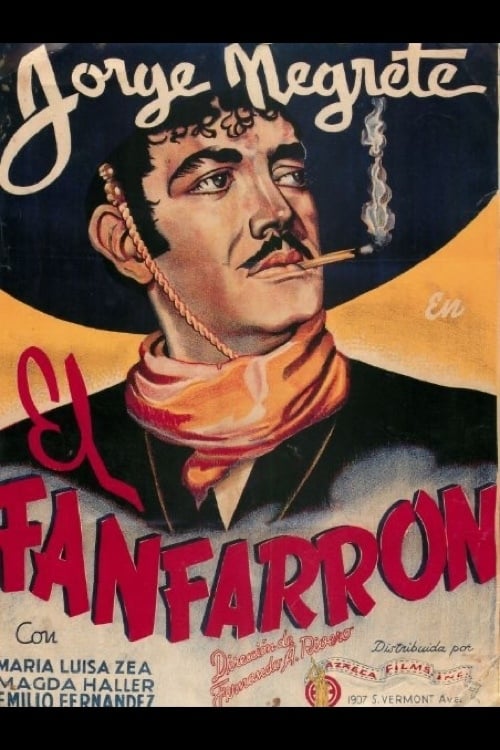
El fanfarrón: ¡Aquí llegó el valentón!
1943
No user ratings available yet
Representation score: 2.3 out of 10
Representation Score
Minimal
1945
GDirector
Chano Urueta
Runtime
95 minutes
Average Rating
No ratings yetNew Showbiz Analysis
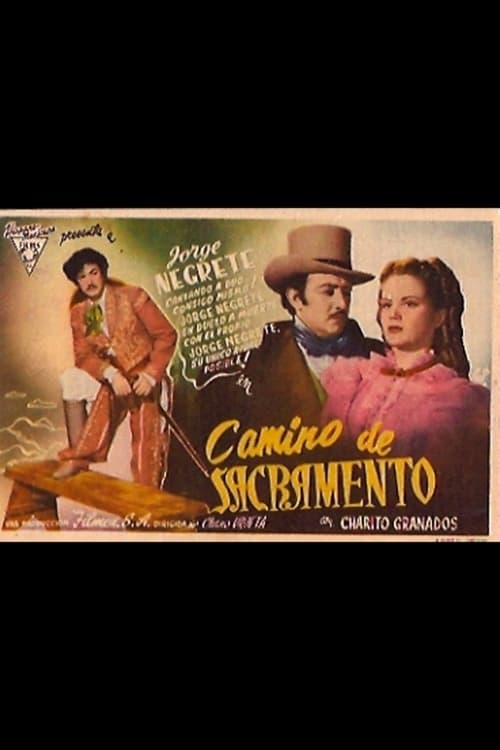
Camino de Sacramento is a traditional adventure-drama that utilizes classic dualistic conflict. By centering on the cliché of twin brothers—one of whom is a bandit—the film relies on established moral archetypes common to mid-19th-century frontier stories. The film offers a culturally specific Mexican perspective on the California frontier, providing a notable departure from the Hollywood-centric narratives of the 1940s. However, it remains rooted in the socio-cultural constraints of its time. Ultimately, the work operates through traditional storytelling frameworks. It lacks documented evidence of intentional subversion regarding gender, sexuality, or systemic power dynamics, focusing instead on genre conventions.
Category Breakdown
The film follows the conventional social structures of its era and does not include any non-straight identities or narratives that question the assumption that everyone is straight.
The central conflict involving twin brothers suggests a narrative driven by traditional masculine roles. While Rosario Granados is a lead character, the film likely adheres to traditional gender roles.
As a Mexican production set in Mexican California, the film centers on non-Anglo-Saxon perspectives. It provides a platform for Mexican identity within a historical North American context.
The film uses the bandit archetype to explore law versus morality. It likely functions as a standard genre piece of the Golden Age without specific critiques of systemic issues.
No specific information regarding the portrayal of physical or neurodivergent characters is available.
Present on Screen
Limited or Absent
Official Synopsis
Twin brothers, one of them a bandit, in Mexican California.
1943

1968
1965

1964
1962
1952
1951
1969
No reviews yet. Be the first to share your thoughts on this movie!
Use the rating form above to leave a star rating and optional review.