
Canaima
1945
No user ratings available yet
Representation score: 1.9 out of 10
Representation Score
Fair
1951
Director
Steve Sekely
Runtime
101 minutes
Average Rating
No ratings yetNew Showbiz Analysis
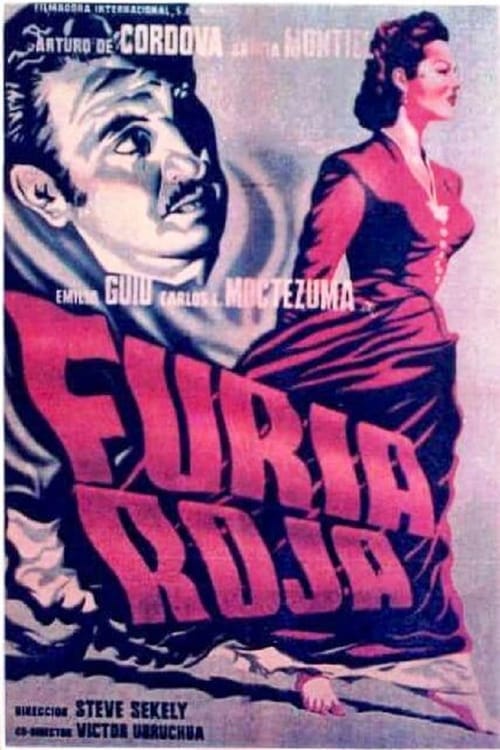
Furia roja provides a window into the Golden Age of Mexican cinema, using its historical setting to offer a non-Western perspective on colonial conflict. By centering the Mexican experience against French imperial forces, the film challenges the Eurocentric lens often found in contemporary Hollywood productions. However, the film remains tied to the social and cinematic constraints of 1951. While the female protagonists provide a central focus, they seem to operate within established gender hierarchies rather than subverting them. The narrative lacks modern multi-layered depth, focusing instead on traditional melodrama. Ultimately, the film offers meaningful regional representation through its themes of independence and national identity, even if it does not challenge the period's conventional social structures.
Category Breakdown
The film does not include visible LGBTQ+ narratives or non-cisgender identities. It focuses on a mother-daughter relationship and romantic subplots typical of 1951 cinema.
Female protagonists drive the narrative, but they navigate a male-dominated conflict. They likely occupy traditional archetypes such as the protective matriarch or the damsel.
Set in Mexico, the film centers non-Anglo-Saxon identities. The struggle against French imperial forces offers a framework for exploring national identity and resistance to foreign domination.
The plot engages with anti-colonial themes by criticizing foreign authority. However, it likely adheres to the melodramatic moralities and traditional family structures of the era.
There is no evidence of characters navigating physical or neurodivergent disabilities within the narrative.
Present on Screen
Limited or Absent
Official Synopsis
Mother and daughter return to Mexico to escape the US Civil War... and get caught up in the conflict between the French army and the fighters for independence.
1945
1937
1951
2000
1969
1965

1946
1948
No reviews yet. Be the first to share your thoughts on this movie!
Use the rating form above to leave a star rating and optional review.