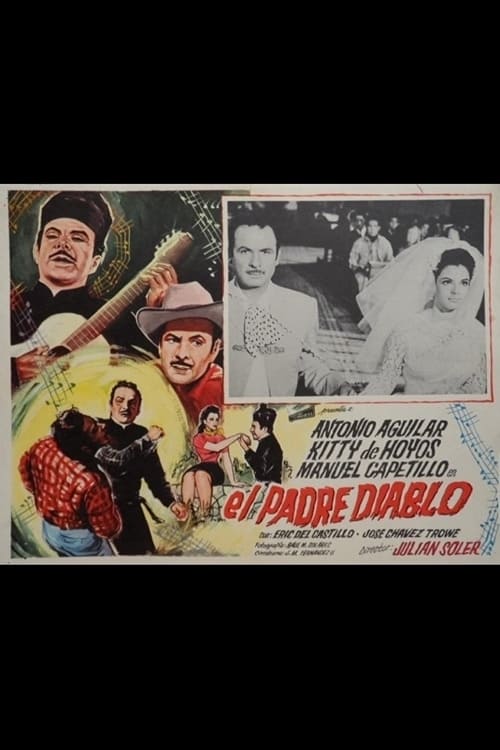
El padre diablo
1965
No user ratings available yet
Representation score: 1.1 out of 10
Representation Score
Limited
1943
Director
Fernando A. Rivero
Runtime
83 minutes
Average Rating
No ratings yetNew Showbiz Analysis
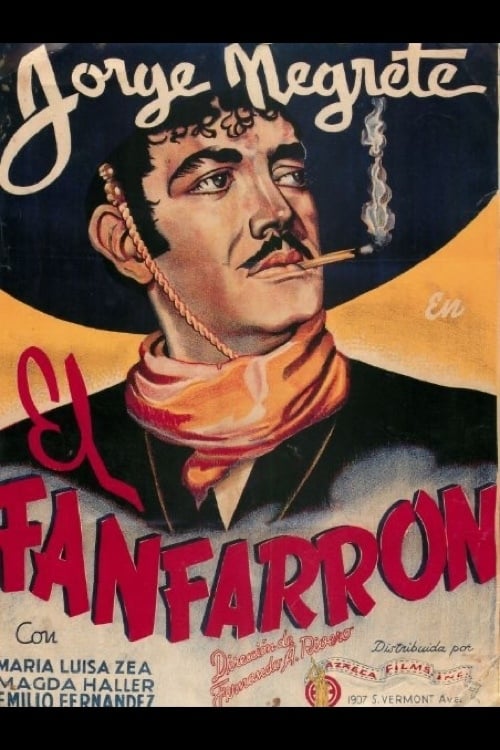
El fanfarrón: ¡Aquí llegó el valentón! is a product of the Golden Age of Mexican cinema, which relied heavily on established genre conventions. While it breaks away from Hollywood's predominantly white narratives by centering Mexican actors, it remains bound by the conservative social structures of its time. The film functions as a traditional Western that prioritizes nationalistic storytelling over progressive representation. Its strength lies in its culturally specific perspective, though it lacks depth in gender or LGBTQ+ diversity. Ultimately, the work reflects the mid-century era's reliance on traditional hierarchies and conventional character roles.
Category Breakdown
The film follows the traditional heterosexual norms typical of 1943 Westerns. There is no indication of non-traditional gender identities or critiques of traditional sexual norms.
Women like María Luisa Zea may play traditional domestic or romantic roles. The narrative seems to follow the gender hierarchies common to the era.
The film centers a non-Anglo-Saxon cast, providing a culturally specific perspective. This departs significantly from the predominantly white narratives found in Hollywood Westerns.
The story likely emphasizes national identity and traditional morality. It does not appear to challenge the social or religious institutions of 1940s Mexico.
There is no information available regarding the depiction of physical or neurodivergent disabilities in this film.
Present on Screen
Limited or Absent
1965
1930
1940
1948
1956
1951
1960
1947
No reviews yet. Be the first to share your thoughts on this movie!
Use the rating form above to leave a star rating and optional review.