
Morning Patrol
1987
No user ratings available yet
Diversity score: 5.3 out of 10

1975
Director
Nikos Nikolaidis
Runtime
97 minutes
Average Rating
No ratings yetSynopsis
Euridice in Hades, code number ΒΑ 2037, is waiting for Orpheus to free her and lead her to the Upper World. She’s waiting for orders that will allow her to move out of her prison/home. Her destination is not mentioned. A voice from a computer orders her to move out.
Overall Score
Fair
Category Breakdown
LGBTQ+ Representation
The film explores non-traditional intimacy and gendered power dynamics through an avant-garde lens. While specific queer identities are not explicitly confirmed, the narrative suggests a potential for non-heteronormative subtext.
Gender Representation
The story subverts the classical damsel trope by centering the female experience within a framework of confinement. Agency shifts from the romantic hero to the psychological state of a woman navigating a bureaucratic prison.
Racial & Ethnic Diversity
The setting is a stylized, dystopian environment focused on existential and mythological themes. There is no evidence of a multi-ethnic cast or race-bent casting within the provided context.
Religious & Cultural Diversity
The film offers high thematic density by using a computer-driven setting to critique traditional institutions. It reinterprets Greek mythology to explore the erosion of individual autonomy under technological hegemony.
Disability Representation
No explicit physical or neurodivergent disabilities are mentioned. However, the protagonist's reliance on external orders suggests a profound systemic limitation on her personal autonomy and movement.
Strengths
Areas for Improvement
AI Analysis
Nikos Nikolaidis uses a dystopian reimagining of Greek mythology to challenge traditional social structures. The film succeeds in deconstructing classical hierarchies, particularly by reframing the female protagonist's role from a passive prize to a subject of systemic control. However, the work lacks demographic breadth. The narrative focus remains narrow, offering little evidence of racial or ethnic diversity, which limits its representation of a broader human experience. Ultimately, the film is a cerebral critique of authority. It prioritizes philosophical and psychological depth over overt demographic variety, making it a study of systemic oppression rather than a diverse social tapestry.
1987

1978

1993

1984

1976
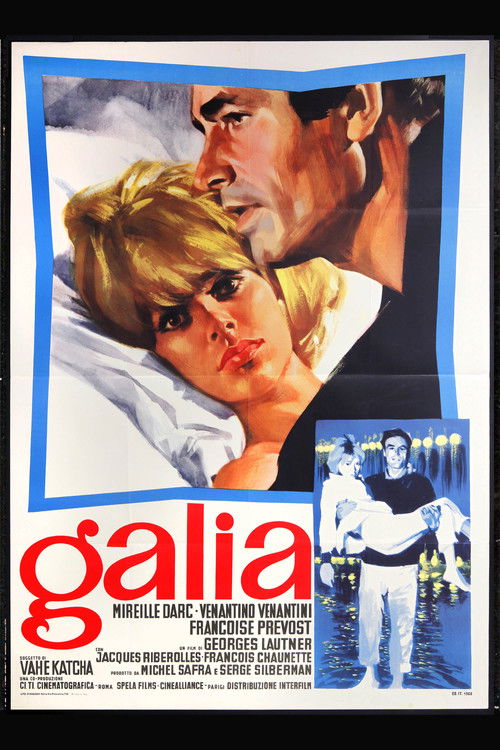
1966
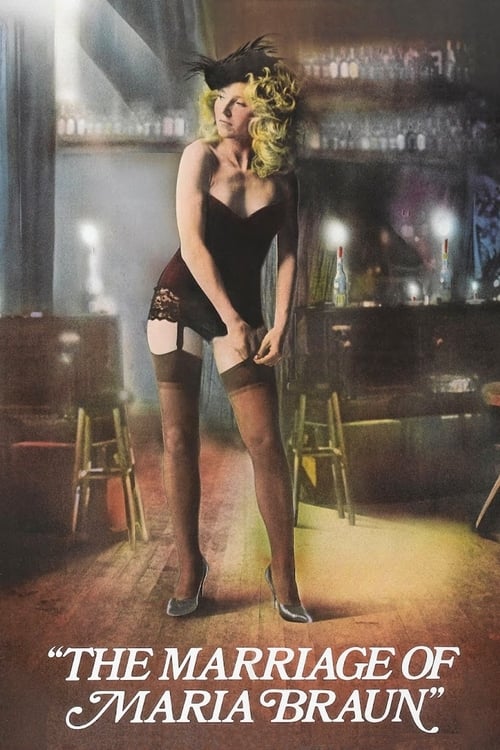
1979

1969

1961

1985
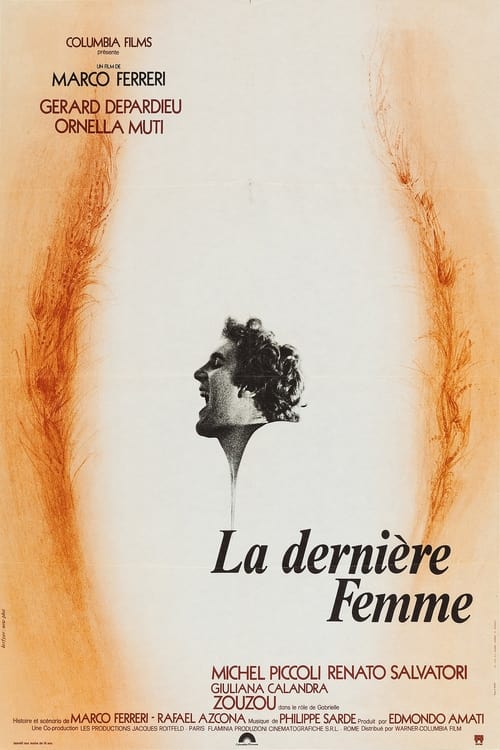
1976
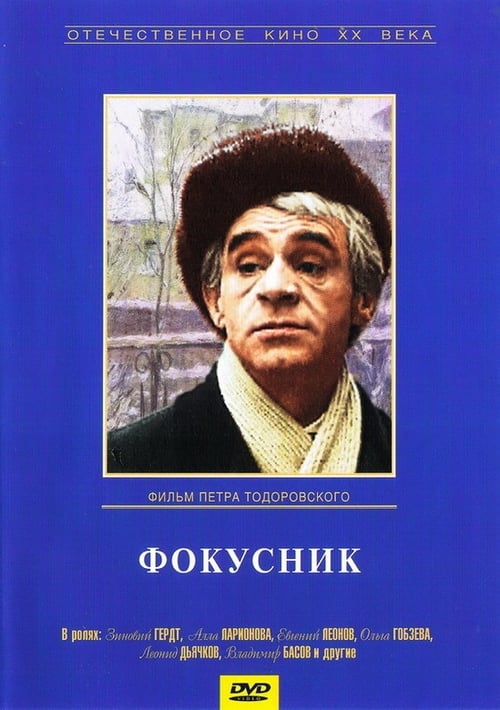
1968
No reviews yet. Be the first to share your thoughts on this movie!
Use the rating form above to leave a star rating and optional review.