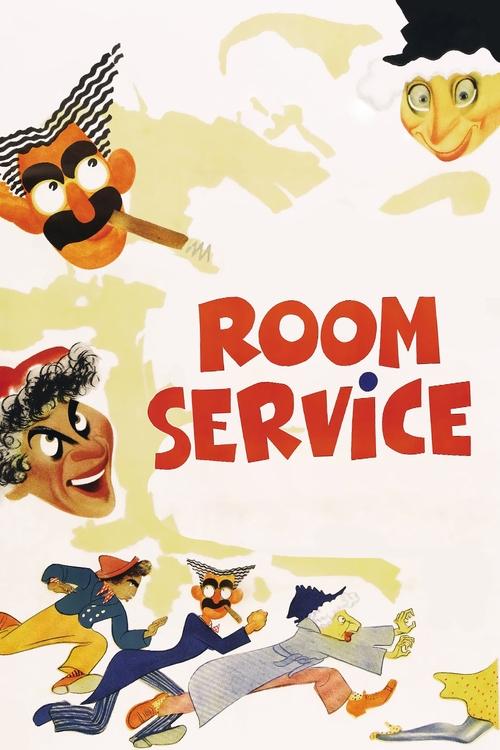
Room Service
1938
No user ratings available yet
Representation score: 0.4 out of 10
Representation Score
Limited
1937
Not RatedDirector
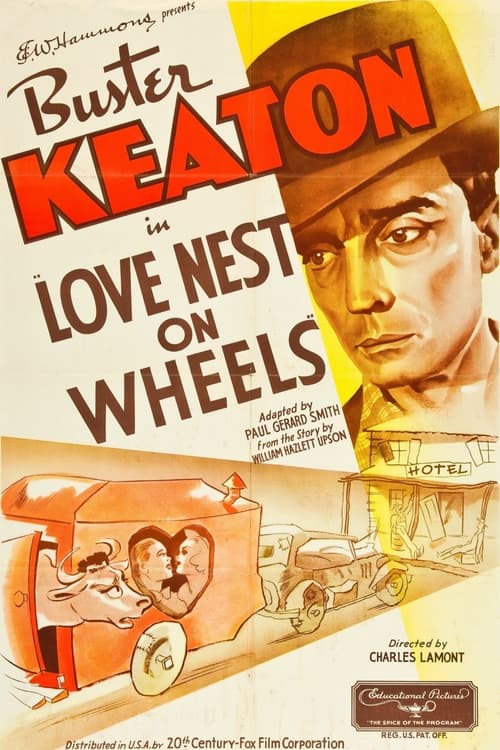
Charles Lamont, Buster Keaton
Runtime
20 minutes
Average Rating
No ratings yetNew Showbiz Analysis
Love Nest on Wheels operates within the social and narrative constraints of 1930s American cinema. The film relies on regional archetypes and traditional family dynamics to drive its humor. While the struggle against foreclosure creates a central conflict, the film does not engage with diverse identities. It prioritizes slapstick and situational clichés over subverting established social hierarchies. Ultimately, the work reflects a period where storytelling focused on homogeneous, traditional demographics, offering limited representation beyond the standard white, rural family unit.
Category Breakdown
The film does not include any LGBTQ+ characters or non-straight relationships. It follows traditional comedic clichés from the 1930s, focusing on heterosexual romances.
The main character is a man who drives the story through his actions. It reinforces the gender roles typical of the 1930s, emphasizing traditional family structures.
The story focuses on a predominantly white, rural community. The use of 'hillbilly' stereotypes suggests a lack of racial or ethnic diversity in the casting.
The narrative emphasizes traditional values such as family loyalty and property preservation. It functions as a standard situational comedy without much social critique.
Physical accidents serve as comedic elements rather than nuanced depictions of disabilities. There is no evidence of characters with disabilities having significant roles.
Present on Screen
Limited or Absent
Official Synopsis
Buster, the eldest son in a family of hillbillies who manage a hotel, attempts to raise money to save the hotel from foreclosure.
1938

1934

1939
1934

1935
1932
1934

1939
No reviews yet. Be the first to share your thoughts on this movie!
Use the rating form above to leave a star rating and optional review.