Agent #1
1972
No user ratings available yet
Representation score: 2.7 out of 10
Representation Score
Limited
1949
16Director
Alexandr Faintsimmer, Vladimir Korsh
Runtime
77 minutes
Average Rating
No ratings yetNew Showbiz Analysis
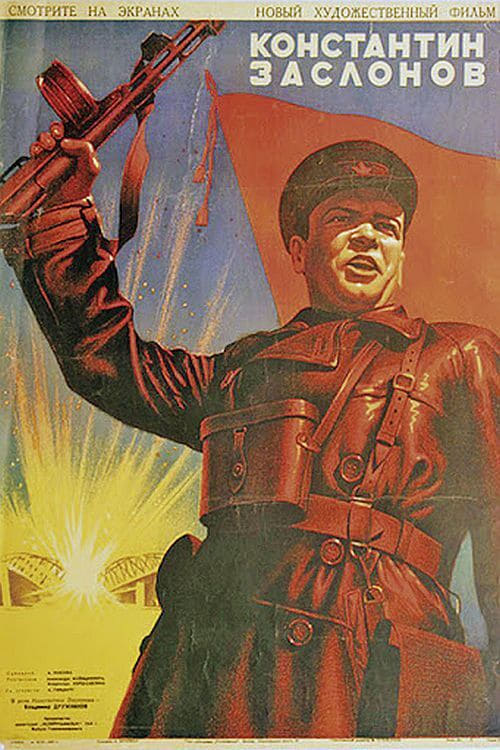
Konstantin Zaslonov is a product of the late 1940s Soviet cinematic tradition, emphasizing collective struggle over individual heroism. The film serves as a critique of imperialist occupation through the lens of wartime sabotage. While the film does not feature modern identity-based representation, such as LGBTQ+ or diverse gender roles, it excels in its anti-institutional narrative structure. It challenges Western-centric heroic clichés by focusing on systemic resistance against an occupying force. Ultimately, the film's diversity is defined by its political and cultural stance rather than demographic variety. It remains a period-specific work focused on the struggle of a local population against foreign aggression.
Category Breakdown
The film does not include any characters or stories related to LGBTQ+ identities. It focuses on the wartime mobilization of 1949, which does not address sexual orientation.
The main character is a male railroad worker involved in tactical resistance. Although women may appear in the wartime setting, the focus remains on masculine roles centered around physical labor.
The narrative contrasts an occupying force with the occupied population, critiquing imperialist expansion. However, the cast lacks the diverse and blended representation seen in contemporary media.
The film highlights anti-fascist and anti-capitalist themes by portraying the Nazi occupation as a systemic evil. It emphasizes collective resistance against oppressive state structures.
There is no information indicating the presence of physical or neurodivergent disabilities in this work.
Present on Screen
Limited or Absent
Official Synopsis
Young railroad worker, seemingly accommodating to Nazi overlords at a captured rural depot, secretly spearheads acts of sabotage against the evil occupying forces.
1972
1965
1960

1943
1969
1942
1948
1979
No reviews yet. Be the first to share your thoughts on this movie!
Use the rating form above to leave a star rating and optional review.