Third Person Singular Number
2009
No user ratings available yet
Diversity score: 6.9 out of 10
2012
Director
Mostofa Sarwar Farooki
Runtime
106 minutes
Average Rating
No ratings yetSynopsis
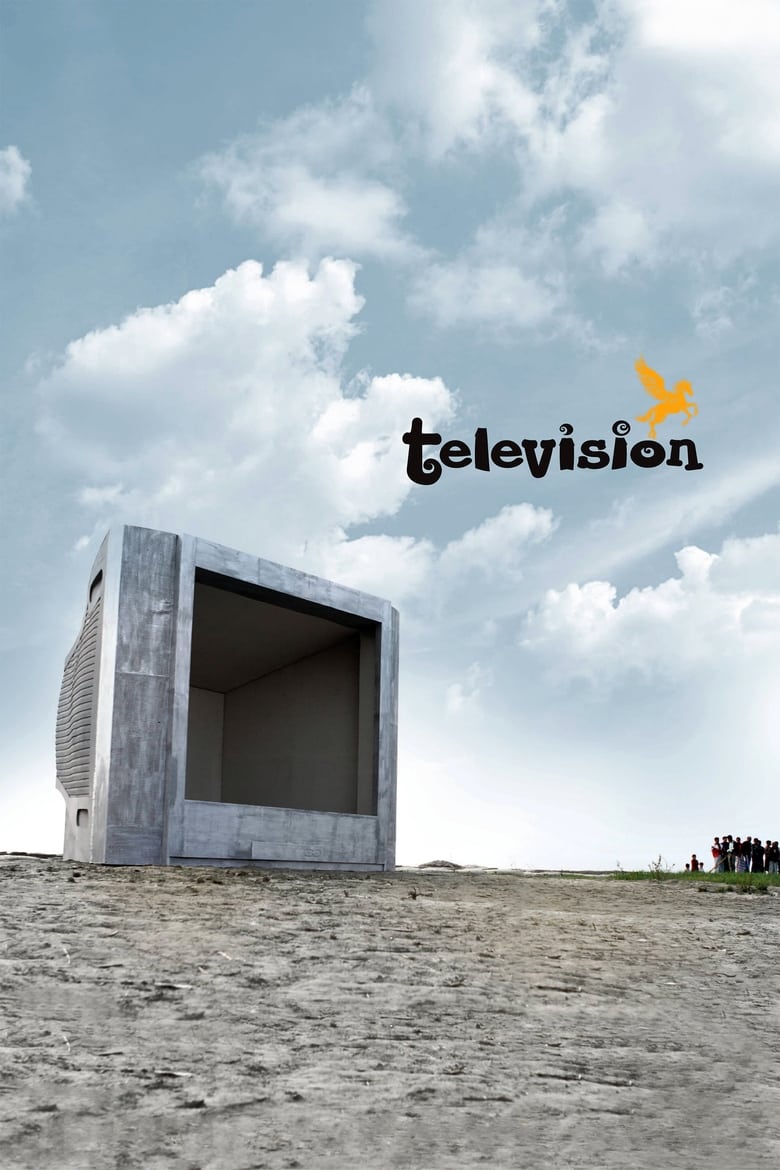
A devout village leader prohibits an array of modern devices, but when his strict measures go too far, the locals rise up in popular rebellion.
Overall Score
Fair
Category Breakdown
LGBTQ+ Representation
The film contains no LGBTQ+ characters or explorations of non-cisnormative identities. The narrative focuses entirely on the conflict between communal leadership and the desire for modern connectivity.
Gender Representation
The film maintains a traditional social structure within its village setting. It lacks a central subversion of gender hierarchies, focusing instead on the tension between religious authority and technological distraction.
Racial & Ethnic Diversity
The work excels in authentic cultural specificity by centering a Bangladeshi narrative. It provides high agency to the local community, presenting a non-Western worldview as the primary reality.
Religious & Cultural Diversity
The film offers progressive depth by framing traditional religious authority as an obstacle to individual agency. The community's rebellion serves as a critique of rigid, dogmatic institutions.
Disability Representation
There are no specific depictions of visible or invisible disabilities within the film.
Strengths
Areas for Improvement
AI Analysis
Mostofa Sarwar Farooki’s *Television* is a sophisticated study of the friction between traditionalist authority and the influence of modern media. The film uses a single object as a catalyst for social disruption, exploring how technological stimuli can destabilize established hierarchies. The narrative succeeds by providing a meaningful critique of systemic, dogmatic governance. By framing the village leader's strictures as a force necessitating community resistance, the film highlights a movement toward modernization and individual autonomy. However, the film lacks explicit focus on identity-based politics. It does not engage with LGBTQ+ themes or provide a significant subversion of gender-based power dynamics, keeping the scope limited to the clash between tradition and technology.
2009

2015
2022
1983
2002

2016
1987

1971
2007
1967
2011
2006
No reviews yet. Be the first to share your thoughts on this movie!
Use the rating form above to leave a star rating and optional review.