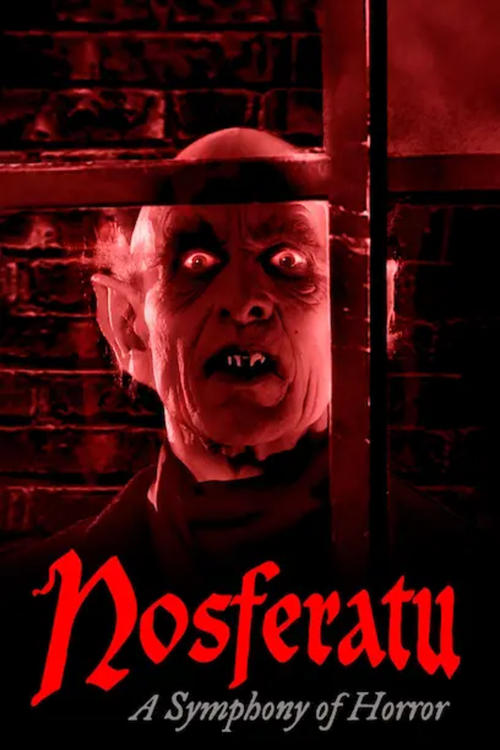
Nosferatu: A Symphony of Horror
2023
No user ratings available yet
Representation score: 1.8 out of 10
Representation Score
Fair
2025
Director
Josh Frank
Runtime
90 minutes
Average Rating
No ratings yetNew Showbiz Analysis
This presentation is an artistic recontextualization of a century-old silent masterpiece. By pairing Murnau’s original visuals with Radiohead’s contemporary score, the work creates a sophisticated psychological texture. However, the core narrative remains firmly tied to the social constraints of 1920s European cinema. The experience functions more as a study of historical horror and sonic atmosphere than a modern social commentary. While the music introduces themes of modern alienation, the visual foundation relies on traditional hierarchies and archetypes that lack contemporary diversity.
Category Breakdown
The 1922 film focuses on predatory obsession rather than LGBTQ+ identity. Modern scholars might find subtext, but the film lacks explicit non-cisgender depictions. The Radiohead score adds alienation but doesn't give LGBTQ+ characters much influence.
Female characters like Ellen Hutter mainly serve as victims or vessels for supernatural threats. Ellen shows sacrificial strength, but power dynamics remain centered on male-driven plots. The modern score adds psychological depth without changing these hierarchies.
The casting reflects the Eurocentric views and social constraints of early 1920s German Expressionism. The work is historically homogeneous. The musical remix doesn't introduce diverse casting or visual elements.
The film explores existential dread through the lens of German Expressionism. The Radiohead pairing introduces postmodern alienation and critiques modern stability. However, it doesn't engage in explicit anti-Western or anti-capitalist critiques.
Count Orlok’s physical appearance is used as a central device for horror. The narrative treats physical differences as a source of terror. It lacks nuanced depictions of neurodivergence or physical disability, favoring traditional 'othering'.
Present on Screen
Limited or Absent
Official Synopsis
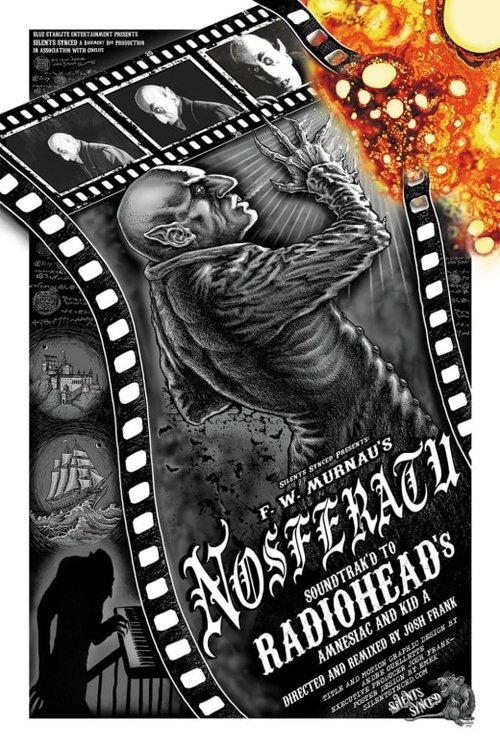
This special presentation of Nosferatu: A Symphony of Horror (1922) pairs the original silent film with Radiohead’s “KID A (2000) / Amnesiac (2001) as its score, courtesy of Silents Synced. Silents Synced pairs classic silent movies with epic rock music, partnering with independent cinemas to create memorable, new silent film experiences. "Nosferatu x Radiohead: A Silents Synced Film" is directed and remixed by Josh Frank.
2023
2002
2010
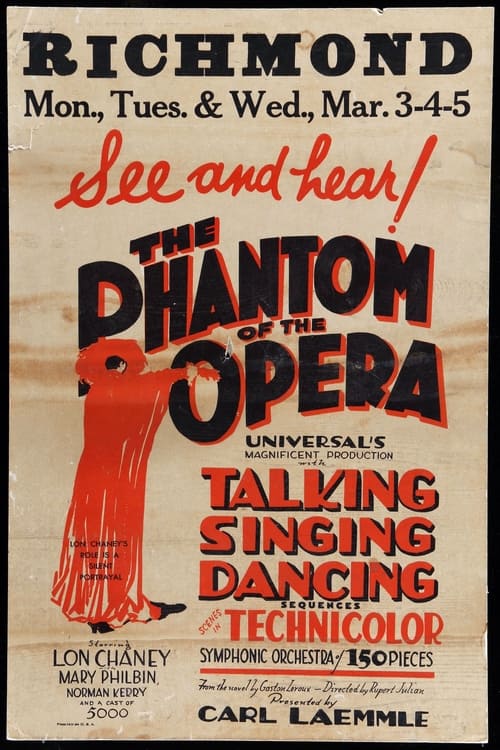
1929
2007
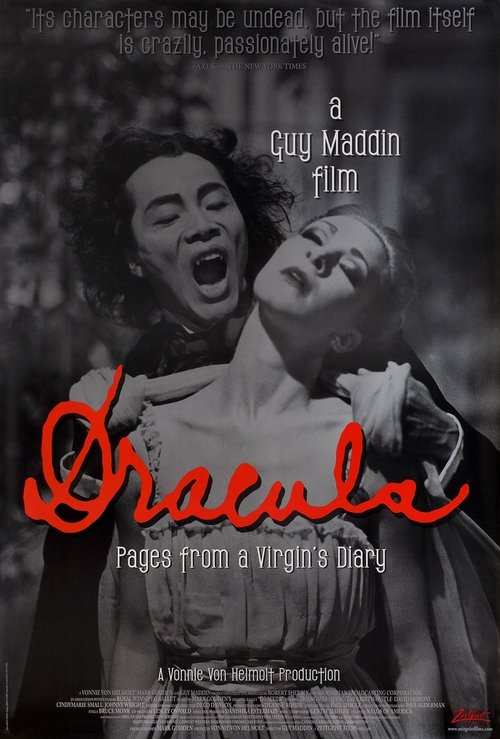
2002
1991
2018
No reviews yet. Be the first to share your thoughts on this movie!
Use the rating form above to leave a star rating and optional review.