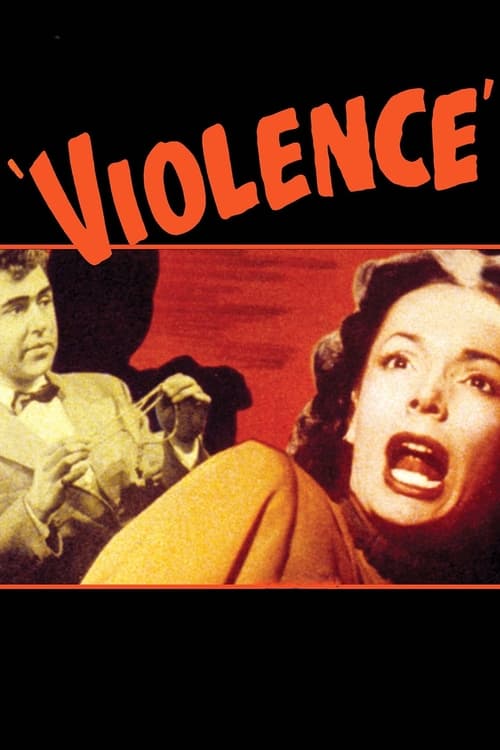
Violence
1947
No user ratings available yet
Diversity score: 2.4 out of 10
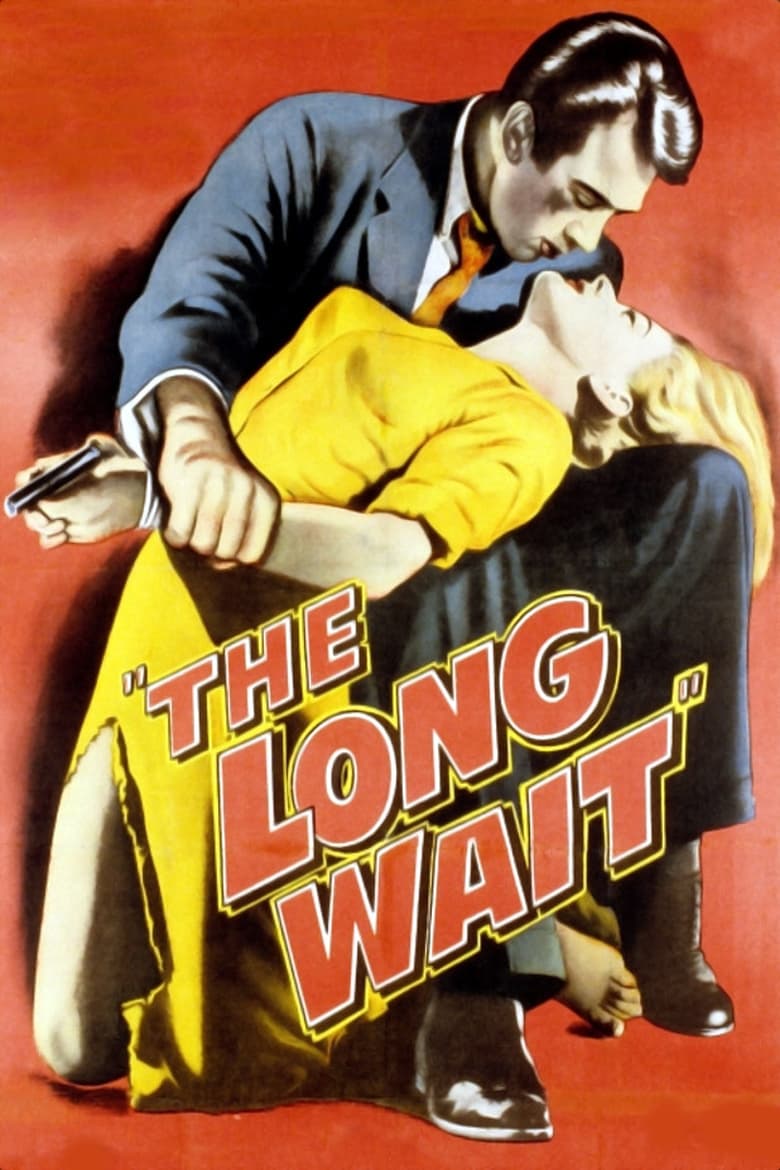
1954
NRDirector
Victor Saville
Runtime
94 minutes
Average Rating
No ratings yetSynopsis
Soon after thumbing a ride from a truck driver, Johnny McBride is badly burned and suffers from complete amnesia when the vehicle he’s riding in blows a tire and goes over an embankment in a fiery blaze. McBride later receives a tip from an acquaintance that a photo of him was placed prominently in the window of a photography studio in a town called Lyncastle, so Johnny immediately leaves for the burg in the hopes that something there will jog his memory.
Overall Score
Limited
Category Breakdown
LGBTQ+ Representation
The film follows a heteronormative framework typical of the 1950s. There is no visible representation of non-cisnormative identities or critiques of traditional social norms.
Gender Representation
The narrative centers entirely on the agency of the male protagonist, Johnny McBride. Female characters lack significant agency or any subversion of traditional gendered power dynamics.
Racial & Ethnic Diversity
The story adheres to the homogeneous casting standards of the mid-century era. There is no evidence of intersectional casting or racial diversity within the crime drama setting.
Religious & Cultural Diversity
The plot follows a linear, goal-oriented progression common to traditional Western storytelling. It reinforces standard social stability rather than offering a critique of Western institutions.
Disability Representation
Physical trauma and amnesia drive the central conflict. However, these conditions function as plot devices rather than nuanced explorations of neurodivergence or lived disability experience.
Strengths
Areas for Improvement
AI Analysis
The Long Wait is a conventional mid-century crime drama that prioritizes a singular, individualistic journey of identity recovery. The narrative structure focuses on a male protagonist's struggle against fate, adhering strictly to the cinematic conventions of 1954. Representation is minimal, as the film reinforces established social hierarchies rather than disrupting them. The focus remains on masculine tropes of resilience and personal recovery within a standard Western framework. Ultimately, the film serves as a period piece that lacks diverse perspectives, offering little engagement with intersectional identities or progressive social critiques.
1947

1947

1950
1950
1946
1943
1957
1949
1954
1957
1963
1931
No reviews yet. Be the first to share your thoughts on this movie!
Use the rating form above to leave a star rating and optional review.