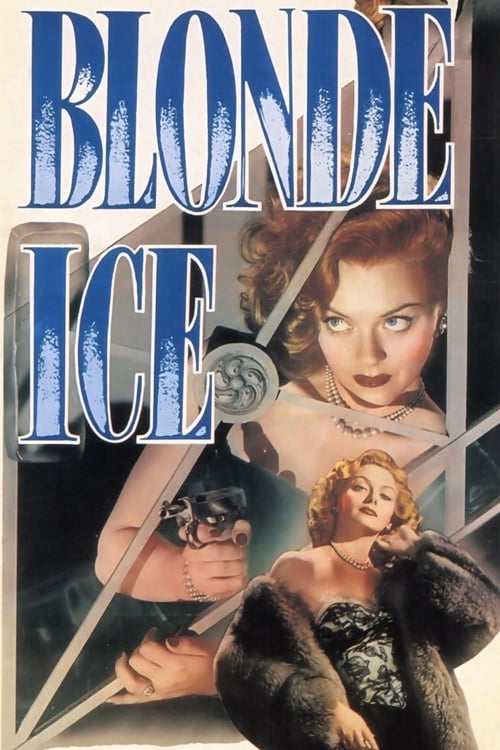
Blonde Ice
1948
No user ratings available yet
Diversity score: 2.6 out of 10
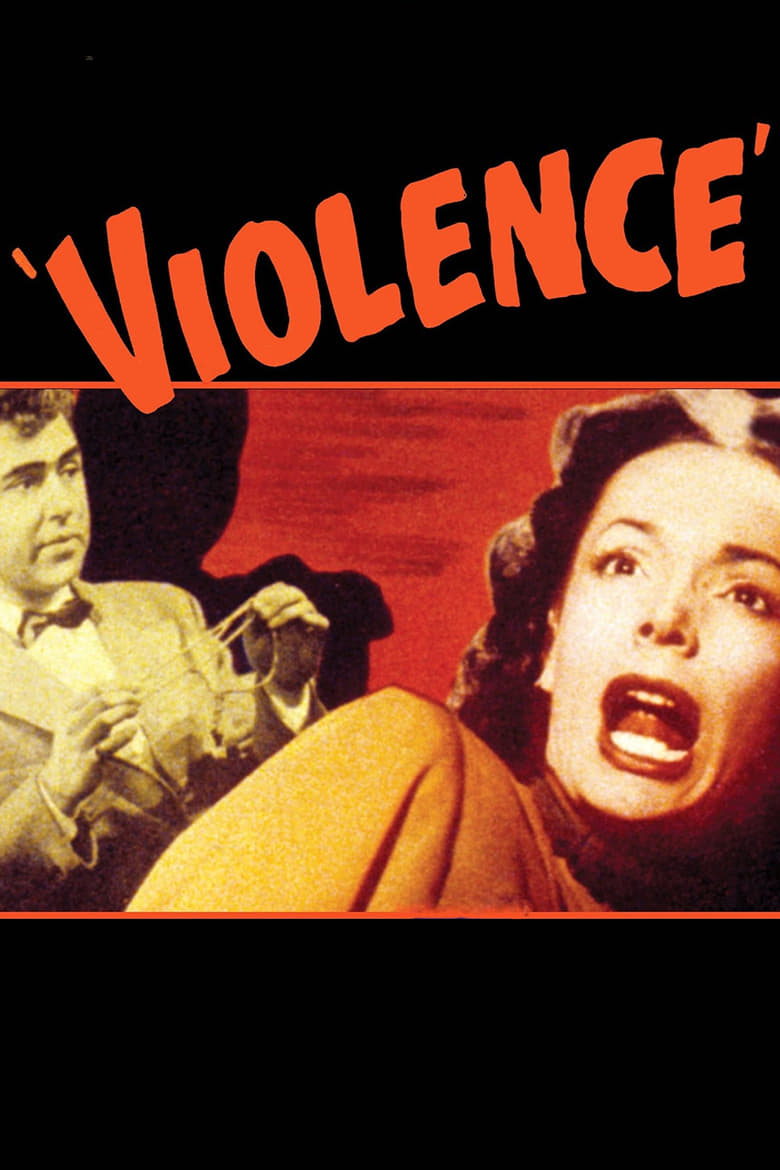
1947
NRDirector
Jack Bernhard
Runtime
72 minutes
Average Rating
No ratings yetSynopsis
Magazine writer Ann Mason infiltrates the United Defenders, a public service organization which is actually a front for racketeers. But a case of amnesia threatens to blow her cover.
Overall Score
Limited
Category Breakdown
LGBTQ+ Representation
The film lacks LGBTQ+ characters or non-heteronormative identities. Interpersonal dynamics focus entirely on traditional romantic and adversarial structures typical of 1940s crime dramas.
Gender Representation
Ann Mason possesses agency as an infiltrator, but her arc is complicated by psychological vulnerability. Power dynamics largely adhere to conventional genre expectations and patriarchal hierarchies.
Racial & Ethnic Diversity
The cast is largely homogeneous, reflecting the social constraints of 1947. There is no evidence of racial blending or non-white protagonists in this urban noir setting.
Religious & Cultural Diversity
The narrative explores corruption within organizations like the United Defenders but treats it as localized criminality. It maintains a traditional moral landscape focused on personal guilt.
Disability Representation
Amnesia serves as a central plot mechanism to drive suspense. It functions as a psychological trope rather than a nuanced exploration of cognitive disability or lived experience.
Strengths
Areas for Improvement
AI Analysis
Violence is a quintessential post-war film noir that prioritizes psychological tension and moral ambiguity over social representation. The film operates within the established narrative architecture of its era, reinforcing standard cinematic archetypes rather than challenging them. The production adheres to the social hierarchies of 1947, resulting in a homogeneous cast and traditional gender roles. While the female lead shows agency, her character is frequently tied to psychological instability. Ultimately, the film functions as a genre piece where diversity is absent, focusing instead on individual criminality and the dark underbelly of urban life.
1948
1940
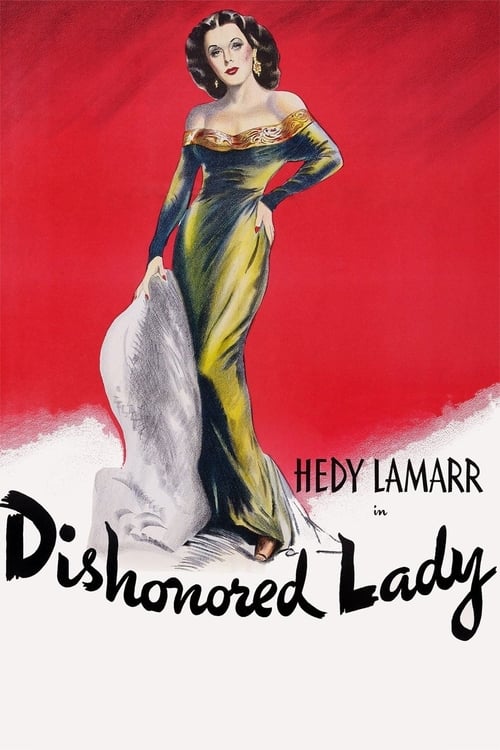
1947
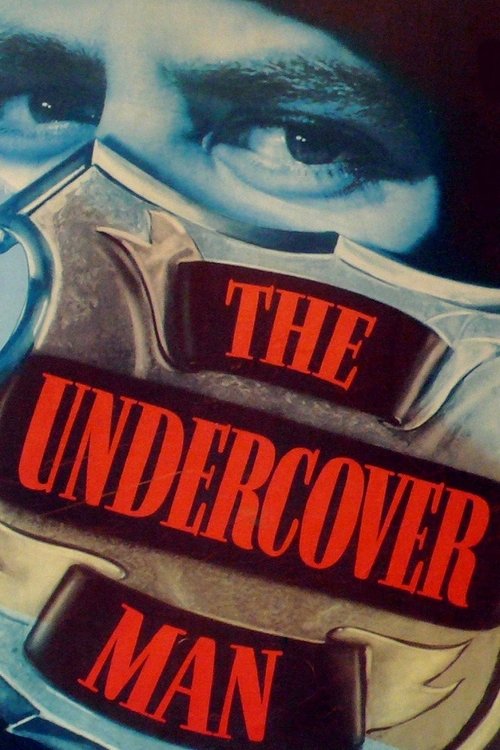
1949
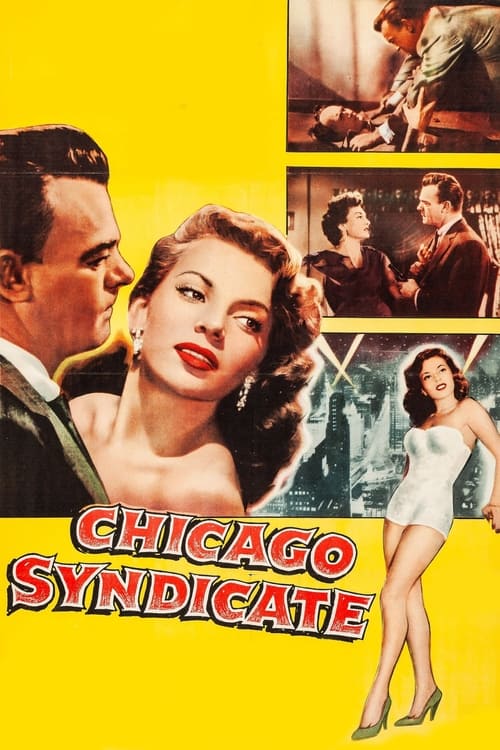
1955
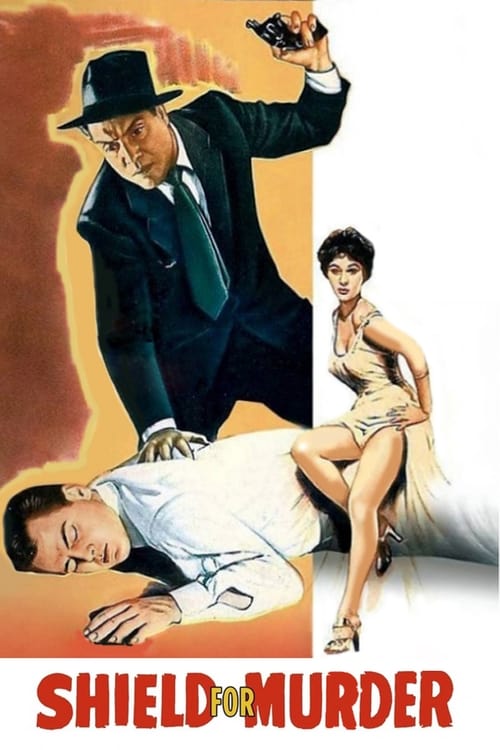
1954
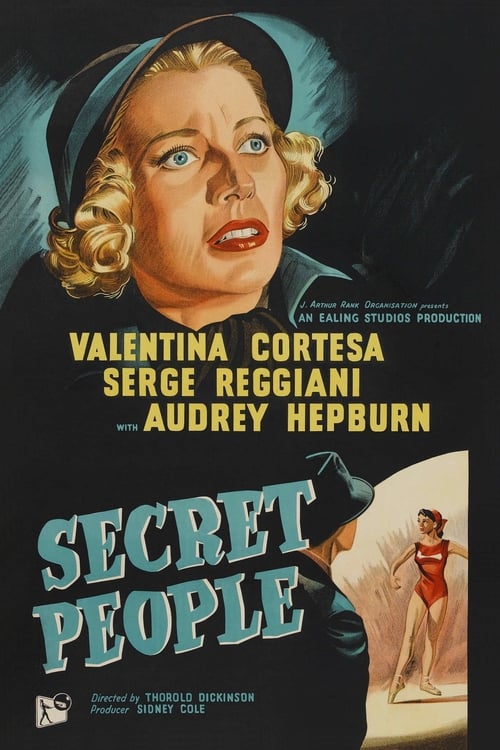
1952
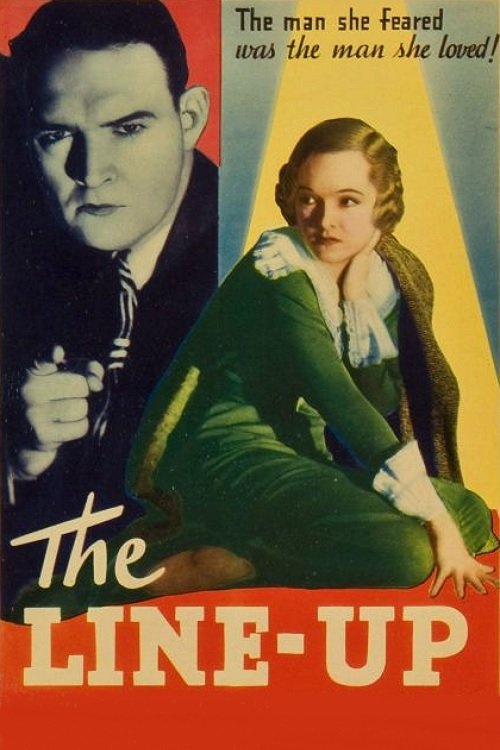
1934
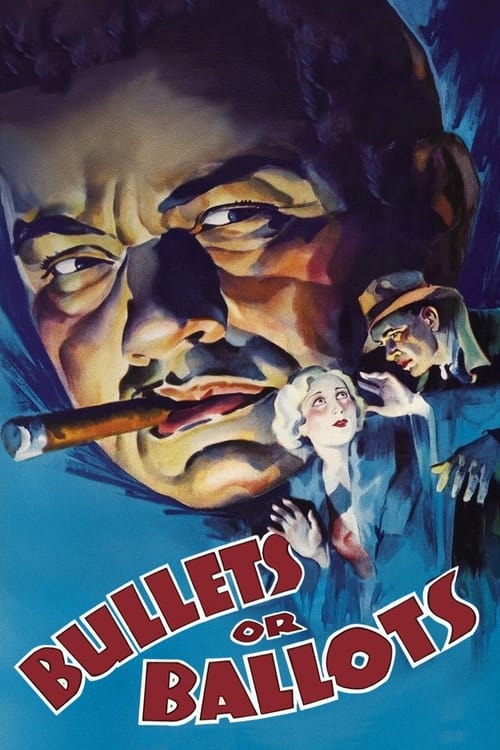
1936
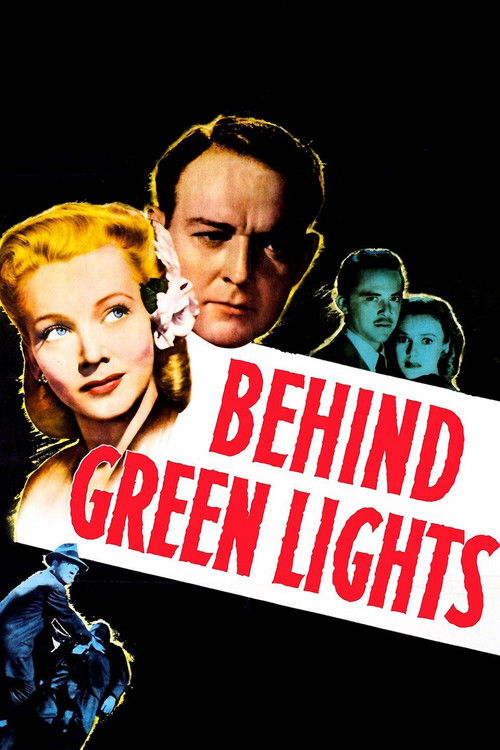
1946
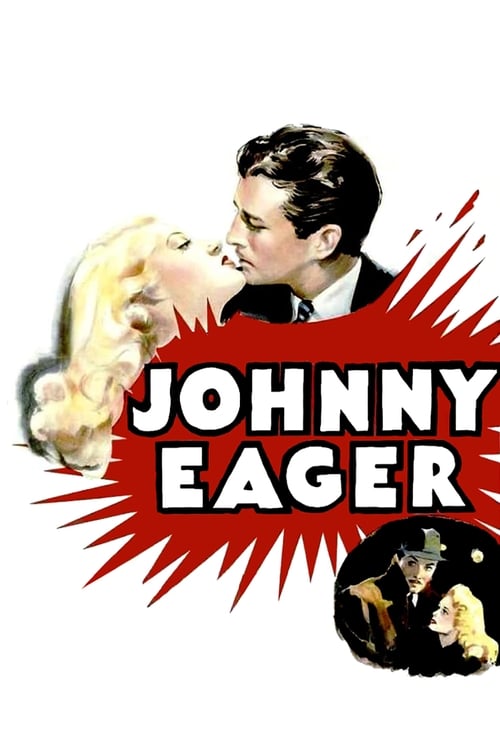
1941
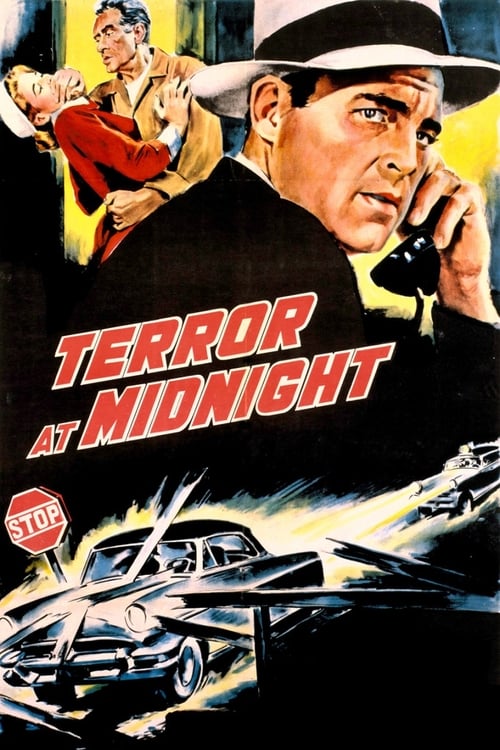
1956
No reviews yet. Be the first to share your thoughts on this movie!
Use the rating form above to leave a star rating and optional review.