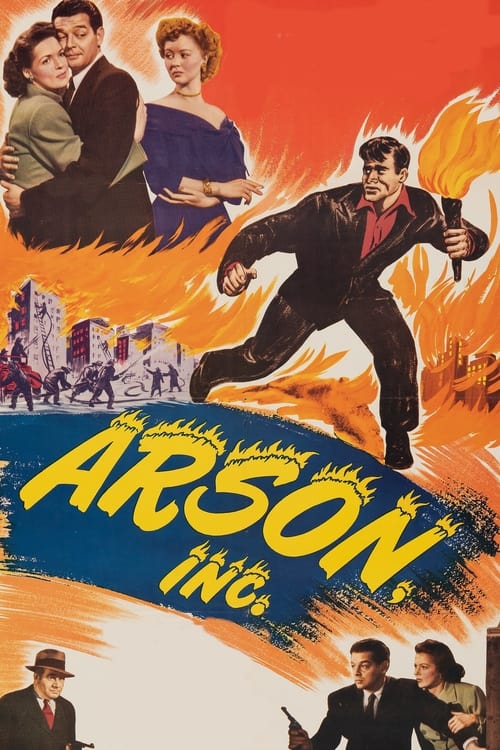
Arson, Inc.
1949
No user ratings available yet
Representation score: 1.8 out of 10
Representation Score
Minimal
1949
ApprovedDirector
George Blair
Runtime
60 minutes
Average Rating
No ratings yetNew Showbiz Analysis
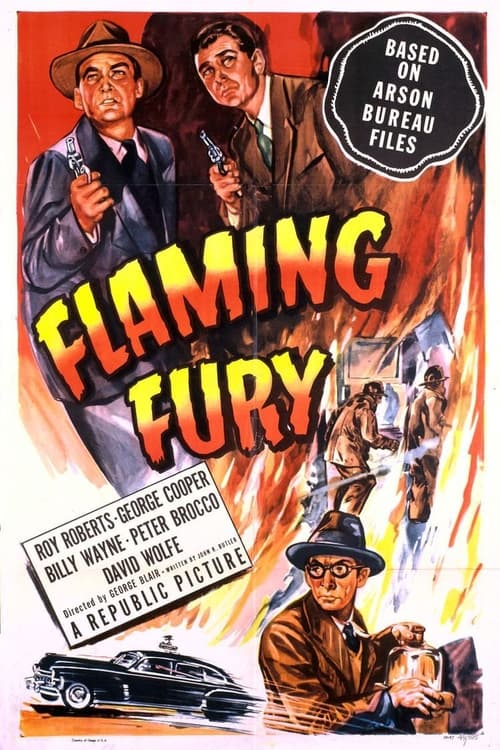
Flaming Fury is a standard crime drama that prioritizes genre clichés over narrative subversion. The film operates within the conventional studio system of 1949, focusing on a professional hierarchy within a Los Angeles fire department. The production lacks multi-layered storytelling, instead emphasizing masculine authority and institutional stability. The characters and settings reflect the homogeneous casting and social norms of the late 1940s. Ultimately, the film serves as a period-typical procedural that reinforces existing social hierarchies rather than challenging them.
Category Breakdown
The film does not depict any non-binary gender identities or same-sex relationships, adhering to the assumption that everyone is straight or cisgender.
The story revolves around a male-dominated professional hierarchy, highlighting traditional masculine authority and gender roles.
Set in mid-century Los Angeles, the film likely reflects the era's standard of white-centric casting, with no evidence of diverse racial or ethnic representation.
The narrative follows a traditional procedural framework focused on institutional stability, upholding Western values regarding public service and legal authority without critique.
There is no evidence of characters with visible or invisible disabilities. The focus remains strictly on the professional roles within the fire department.
Present on Screen
Limited or Absent
Official Synopsis
A Los Angeles fire captain (Roy Roberts) sends an arson-squad rookie (George Cooper) undercover.
1949
1949
1949
1958
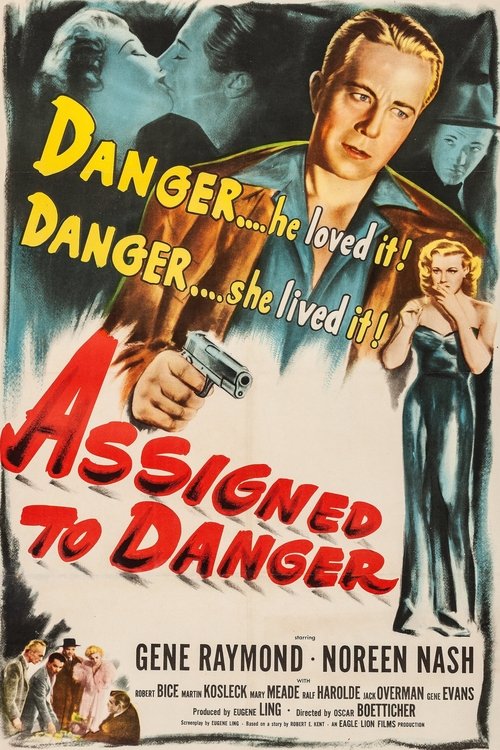
1948
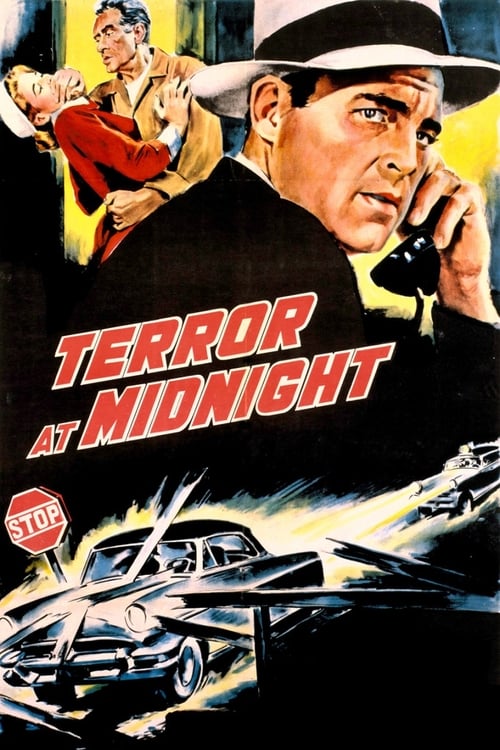
1956

1954
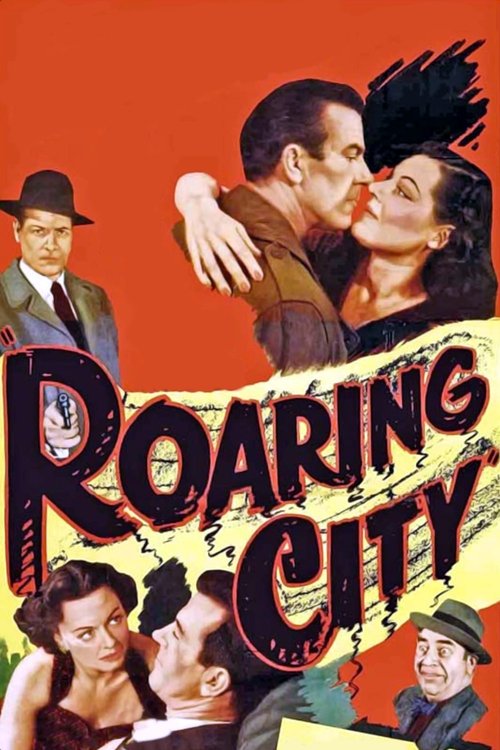
1951
No reviews yet. Be the first to share your thoughts on this movie!
Use the rating form above to leave a star rating and optional review.