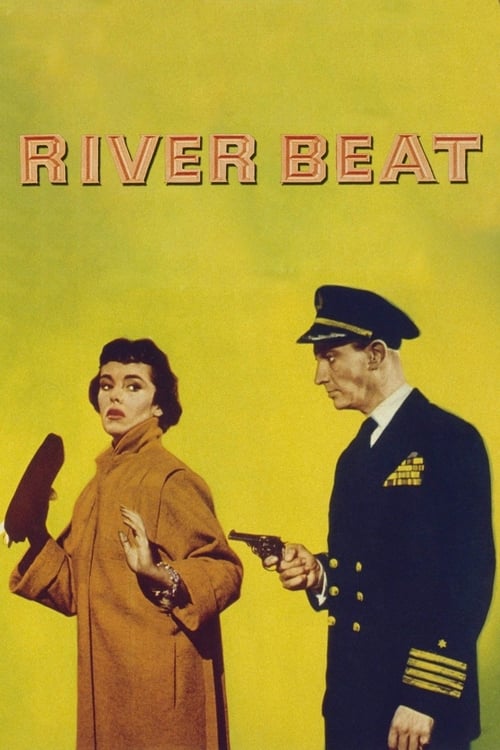
River Beat
1954
No user ratings available yet
Representation score: 1.6 out of 10
Representation Score
Minimal
1954
ApprovedDirector
Montgomery Tully
Runtime
70 minutes
Average Rating
No ratings yetNew Showbiz Analysis
Devil's Point is a typical mid-century British crime drama that adheres to the social norms and storytelling conventions of the 1950s. The narrative structure prioritizes traditional social hierarchies and moral frameworks, lacking characters who reflect more than one aspect of diversity and diverse identities.
Category Breakdown
The film does not include any visible LGBTQ+ identities or subtext. It follows the social norms of 1954 British cinema, showing no evidence of LGBTQ+ individuals taking significant roles.
The story focuses on masculine roles such as barge operators and smugglers. Women likely play secondary or domestic roles, reinforcing the traditional gender hierarchy of the time.
The setting and production context suggest a homogeneous demographic. There is no indication of diverse casting or a non-Anglo-Saxon majority cast.
The story emphasizes crime and smuggling within a traditional legal framework. It upholds conventional moral standards without critiquing social institutions.
There is no documented evidence of characters with physical or neurodivergent disabilities included in the film.
Present on Screen
Limited or Absent
Official Synopsis
A Thames River barge operator finds a mysterious package dropped by smugglers.
1954
1949
1950
1954
1955
1947
1951

1955
No reviews yet. Be the first to share your thoughts on this movie!
Use the rating form above to leave a star rating and optional review.