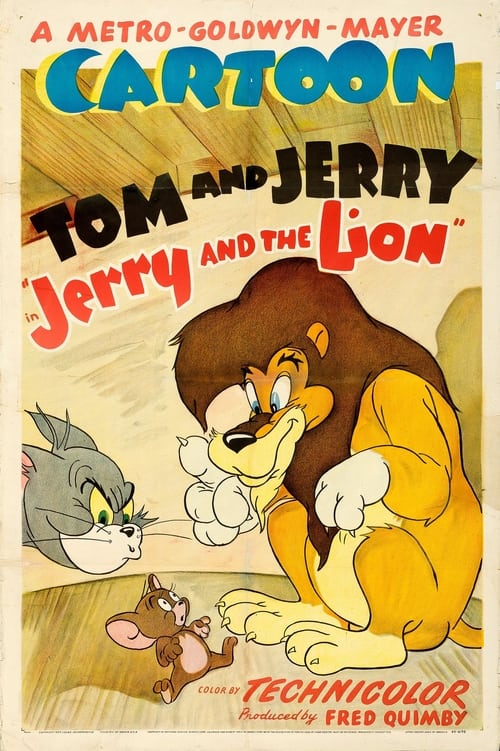
Jerry and the Lion
1950
No user ratings available yet
Representation score: 0.3 out of 10
Representation Score
Minimal
1961
ApprovedDirector
Joseph Barbera, William Hanna
Runtime
7 minutes
Average Rating
No ratings yetNew Showbiz Analysis
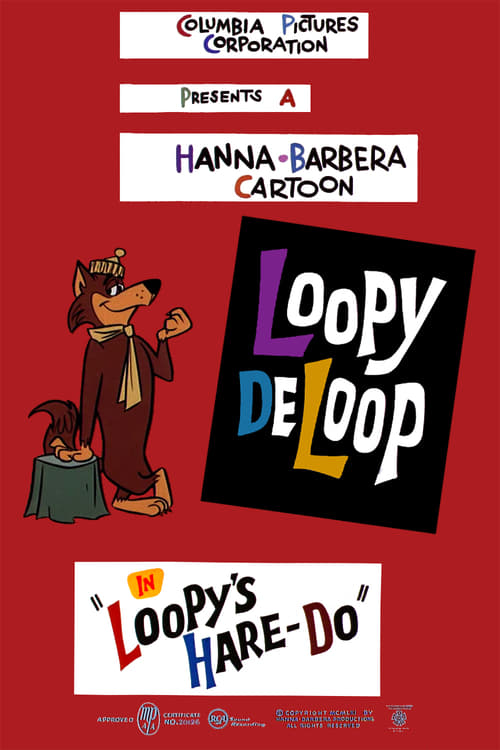
Loopy's Hare-do is a product of its time, emphasizing slapstick comedy and traditional episodic structures over nuanced character development. The narrative revolves around a straightforward conflict between a dog, a rabbit, and a wolf, limiting opportunities for identity-focused storytelling. Given the use of anthropomorphic animals and standard Western hunting clichés, the film lacks the depth needed for meaningful representation of diverse human experiences. The creative approach favors well-established animation conventions rather than stories that explore multiple aspects of identity. Ultimately, the film serves as a straightforward comedic short. It does not engage with social identity issues, resulting in limited diversity across various demographic categories.
Category Breakdown
The film does not include any representation of non-straight or non-cisgender identities. The humor focuses on animal antics without exploring LGBTQ themes.
The story emphasizes a traditional dynamic of pursuit and dominance. It uses typical comedic stereotypes from the 1960s that don't challenge gender roles.
The characters are anthropomorphic animals in a standard fable format. There is no visible diversity or symbolic commentary related to race.
The storyline follows a conventional Western bounty hunter narrative. It upholds standard structures of law and order without questioning Western institutions.
The film does not feature any characters with visible or invisible disabilities. There is no representation of neurodivergent individuals either.
Present on Screen
Limited or Absent
Official Synopsis
Loopy volunteers to be a hunter's hunting dog and at the same time protect the rabbit. By the time the hunting is well, the hunters spots a $50 wolf bounty opportunity.
1950
1947
1944
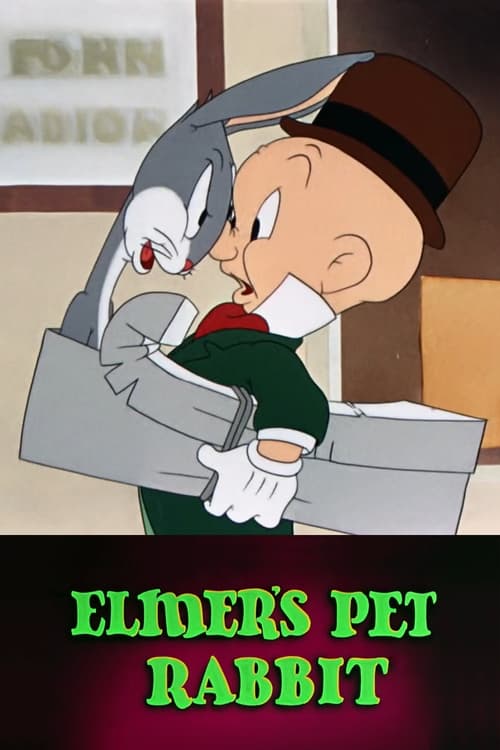
1941
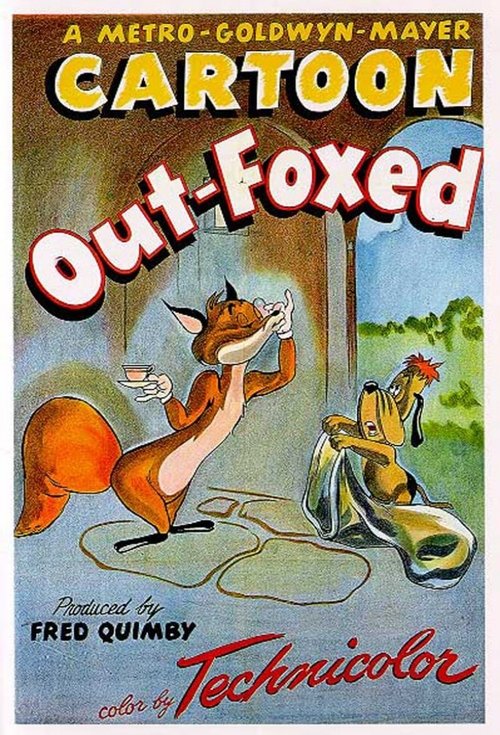
1949
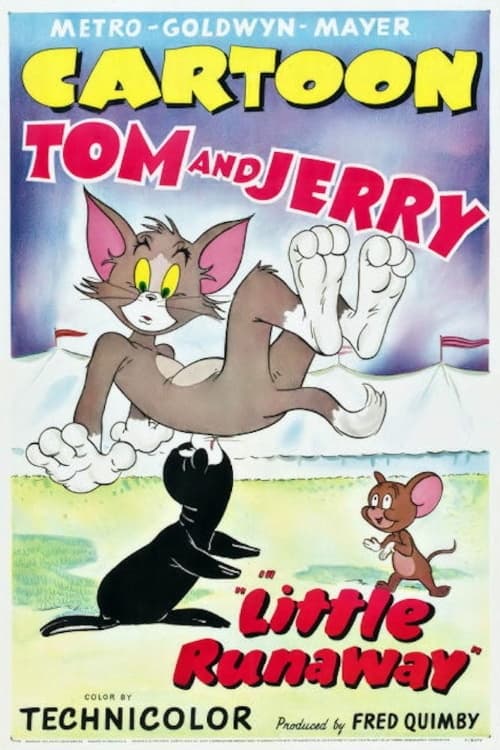
1952
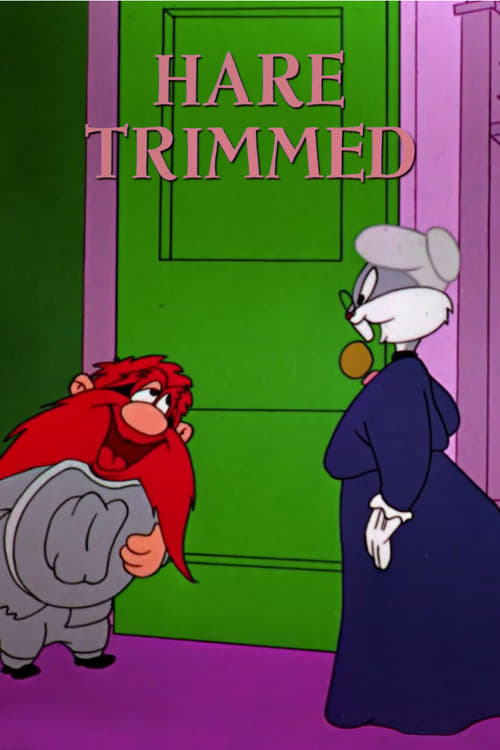
1953
1959
No reviews yet. Be the first to share your thoughts on this movie!
Use the rating form above to leave a star rating and optional review.