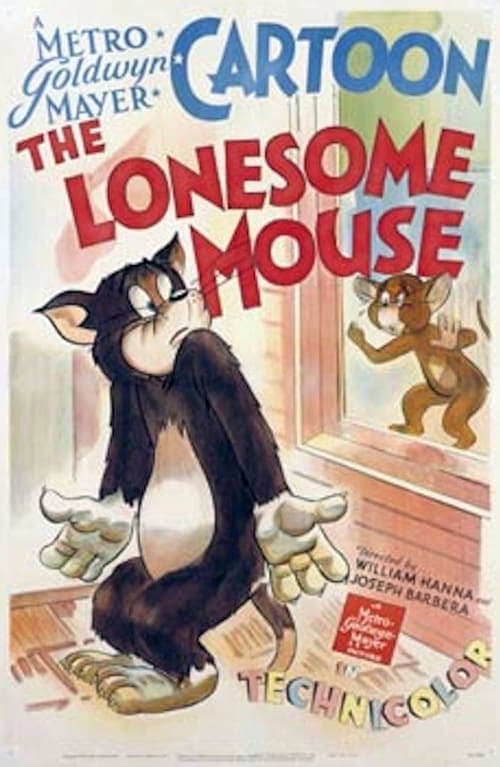
The Lonesome Mouse
1943
No user ratings available yet
Representation score: 0.3 out of 10

Representation Score
Minimal
1945
NRDirector
William Hanna, Joseph Barbera
Runtime
8 minutes
Average Rating
No ratings yetNew Showbiz Analysis
This short is a typical example of mid-century slapstick animation. The narrative focuses on physical comedy and the revenge cliché, prioritizing these elements over character development that reflects diverse identities. The film relies on traditional character archetypes and a domestic conflict between a predator and a resourceful protagonist. It does not intentionally address diverse representation, reflecting the production standards of its era. Ultimately, the work serves as a baseline for studio animation of the period, emphasizing slapstick humor over social commentary.
Category Breakdown
The film does not include any characters with non-binary gender identities or same-sex relationships. The characters adhere to traditional gender roles typical of the time.
The story revolves around a power struggle between male characters. Toots, a female character, plays a minor role as a catalyst for the conflict but has limited influence.
The domestic, anthropomorphic world lacks visible racial or ethnic diversity. There is no evidence of actors being cast in roles traditionally associated with different ethnicities.
The narrative uses a traditional Western setting and mid-century social customs. These elements serve as a backdrop for comedy without critiquing them.
There are no characters with visible or invisible disabilities in the film. The conflict is driven by physical humor rather than themes related to accessibility.
Present on Screen
Limited or Absent
Official Synopsis
Tom invites Toots to an elegant dinner. However, he's made the mistake of trying to put Jerry to work, as a serving boy, a corkscrew, and other tasks. Jerry puts up with a little of this, but mostly gets revenge on Tom.
1943
1944
1947
1946
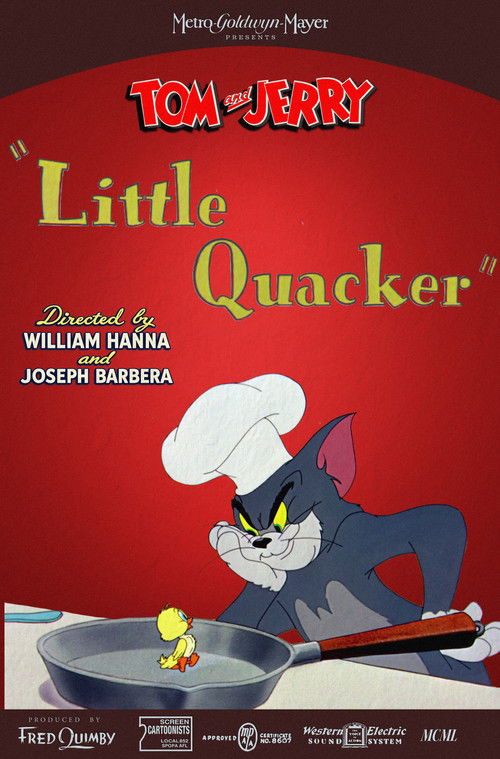
1950
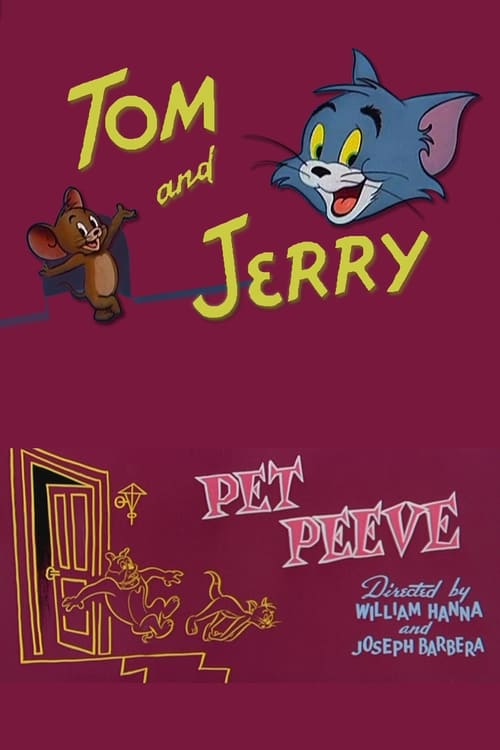
1954
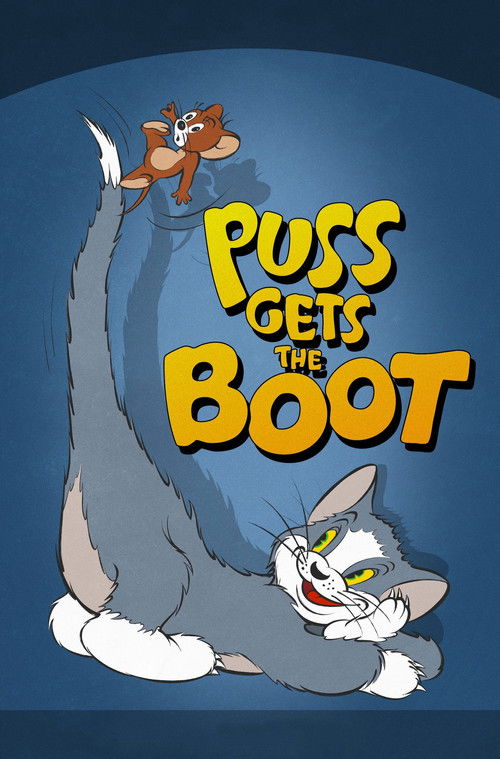
1940
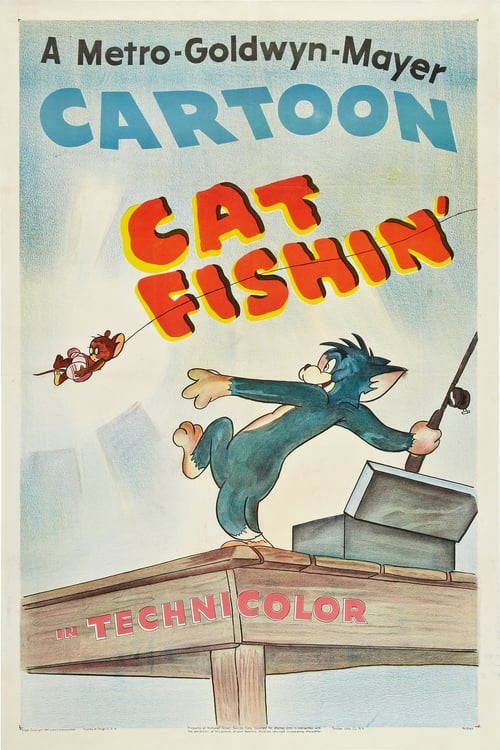
1947
No reviews yet. Be the first to share your thoughts on this movie!
Use the rating form above to leave a star rating and optional review.