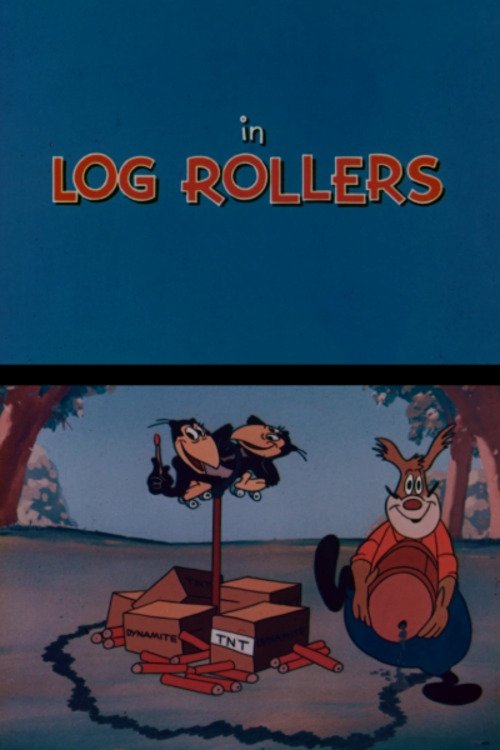
Log Rollers
1953
No user ratings available yet
Representation score: 0.4 out of 10
No Poster Available
Representation Score
Limited
1949
ApprovedDirector
Mannie Davis
Runtime
7 minutes
Average Rating
No ratings yetNew Showbiz Analysis
Happy Landing is a product of its time, emphasizing slapstick comedy over social or identity-focused narratives. The focus is on the chaotic interactions between Heckle, Jeckle, and a timid lion, rather than on cultural or systemic issues. The film doesn’t intentionally address overlapping aspects of identity or challenge societal norms. Instead, it adheres to the uniform standards of the late 1940s, offering limited representation of diverse characters.
Category Breakdown
The film doesn't include any clear LGBTQ references or characters with non-traditional gender identities. It sticks to typical mid-century character types without challenging the idea that everyone is straight or cisgender.
The story revolves around anthropomorphic animals rather than focusing on human gender roles. Although characters aren't explicitly gendered, the narrative follows conventional, non-challenging patterns.
The cast is made up entirely of animal characters, providing no representation of different ethnicities or diverse backgrounds. The dynamics follow the uniform standards of 1949 animation.
Set in a typical auto repair shop, the film focuses on individualistic pranks. It avoids exploring diverse cultural themes or critiquing Western institutions.
There are no characters with visible or hidden disabilities. The lion’s timid behavior is used for slapstick humor rather than a deeper look at neurodiversity.
Present on Screen
Limited or Absent
Official Synopsis
Heckle and Jeckle, the talking magpies, take over a timid lion who is working as an auto mechanic in a garage, and play several mean tricks on him, as that is what they were created to do. An ill-tempered dog arrives in his autogyro (helicopter car)to have it overhauled, and H & J lock the lion in the fuselage. When the autogryist takes off, the lion burned-up lion goes with him.
1953

1946
1948
1946

1951
1936
1954
1940
No reviews yet. Be the first to share your thoughts on this movie!
Use the rating form above to leave a star rating and optional review.