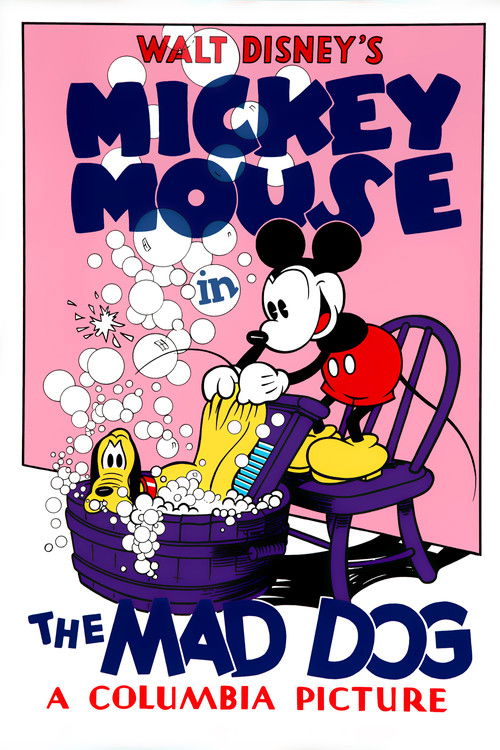
The Mad Dog
1932
No user ratings available yet
Representation score: 0.8 out of 10
Representation Score
Minimal
1932
Director
Wilfred Jackson
Runtime
7 minutes
Average Rating
No ratings yetNew Showbiz Analysis
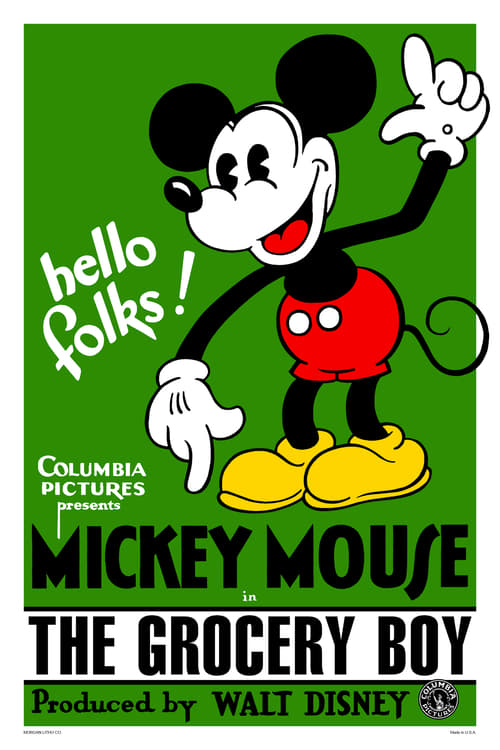
The Grocery Boy is a product of its historical era, serving as a comedic short that relies heavily on established archetypes. The narrative structure reinforces traditional social hierarchies and domestic norms rather than challenging them. Representation is limited, with the film focusing on a narrow, heterosexual view of courtship and domestic life. Characters operate within highly standardized roles that reflect the social expectations of the early 1930s. While the animation is foundational, the story lacks the complexity needed for meaningful diversity. It prioritizes slapstick humor and conventional Western values over inclusive or varied character identities.
Category Breakdown
The film focuses on a traditional heterosexual relationship between Mickey and Minnie. There are no queer subtexts or non-cisgender identities represented in this early 1930s romantic setup.
Minnie shifts from indifference to a caretaking role after Mickey gets injured, reinforcing traditional gender roles. She shows emotional involvement but remains confined to stereotypical domestic duties.
The cast is made up of anthropomorphic characters and is homogeneous, showing no signs of racial or ethnic diversity. The setting reflects a singular, non-diverse domestic environment typical of the time.
The story highlights traditional Western domesticity and the sanctity of the home. It reinforces standard social structures through themes of meal preparation and household tasks.
Mickey’s injury from an iron serves solely as a comedic plot device. It lacks any meaningful exploration of physical impairment or neurodivergence, functioning only to elicit laughter.
Present on Screen
Limited or Absent
Official Synopsis
Mickey (and Pluto) are delivering a grocery order to Minnie. She pretends not to notice for a while, but when he gets hit on the head by an iron, she drops her pretense and rushes to his side. Mickey then helps with the dinner preparations, but Pluto steals the turkey, and a chase ensues. There's also a 4-layer cake that you just know is going to get ruined spectacularly.
1932
1948
1948
1936
1940
1931

1931
1941
No reviews yet. Be the first to share your thoughts on this movie!
Use the rating form above to leave a star rating and optional review.