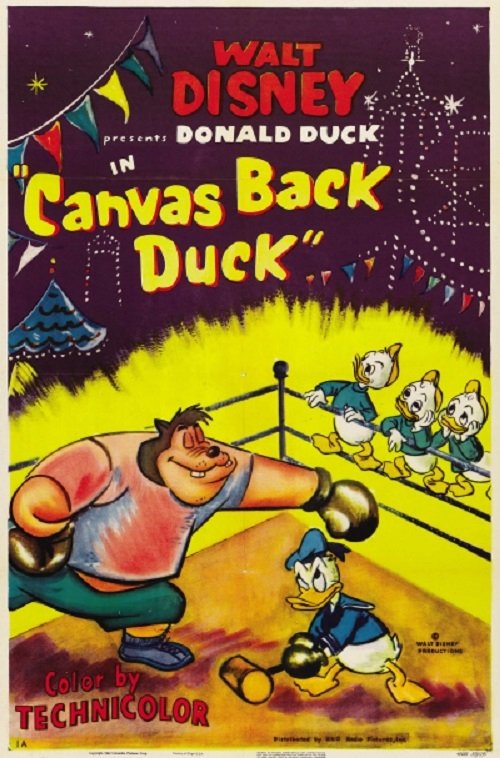
Canvas Back Duck
1953
No user ratings available yet
Diversity score: 1.3 out of 10
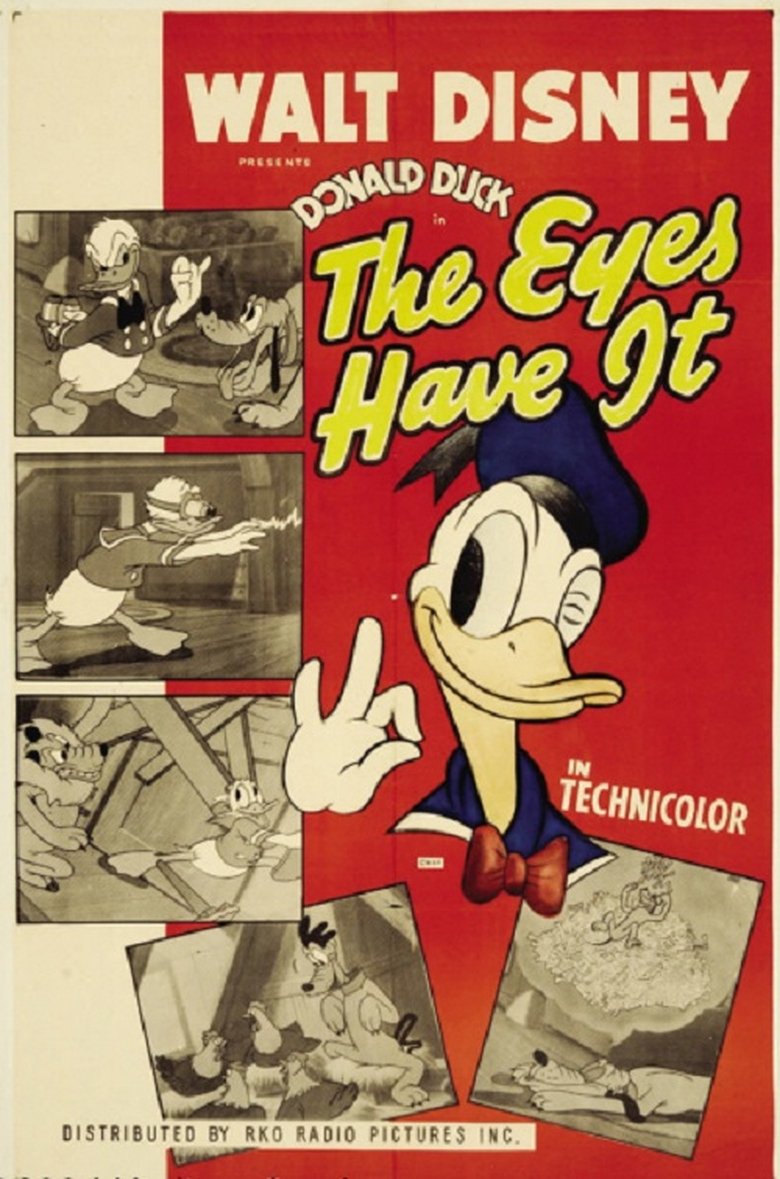
1945
NRDirector
Jack Hannah
Runtime
7 minutes
Average Rating
No ratings yetSynopsis
Donald receives a mail order hypnosis kit complete with hypnotic goggles and decides to test it on Pluto. Using the goggles, he convinces Pluto he is a mouse, a turtle, and a chicken. Each "transformation" Pluto undergoes Donald finds extremely funny so he keeps at it until he notices chicken Pluto getting into a fight with a rooster. Donald helps Pluto win the fight by making him think he's a lion but, unfortunately, the goggles break and Donald is chased about by Pluto until he regains his senses after a fall.
Overall Score
Minimal
Category Breakdown
LGBTQ+ Representation
The film focuses exclusively on the interaction between Donald Duck and Pluto. There is no depiction of non-cisnormative identities or same-sex intimacy.
Gender Representation
The short lacks female characters entirely, centering on a male-driven comedic dynamic. It does not engage with or subvert traditional gender hierarchies.
Racial & Ethnic Diversity
The cast consists of anthropomorphic animals with no discernible ethnic or racial representation. The narrative focuses on species-based identity rather than human social constructs.
Religious & Cultural Diversity
The story reinforces traditional power dynamics through a master-subject relationship. It offers no engagement with diverse cultural institutions or social deconstruction.
Disability Representation
Hypnosis is used strictly as a comedic plot device to facilitate slapstick. The induced cognitive state lacks agency and serves only to drive physical comedy.
Strengths
Areas for Improvement
AI Analysis
The Eyes Have It is a quintessential mid-century slapstick short that prioritizes physical comedy over social depth. The narrative relies on a hierarchy of dominance, where Donald uses technology to manipulate Pluto's perception of reality. Because the characters are anthropomorphic animals, the film avoids human social constructs like race or ethnicity. Instead, it focuses on species-based identity and the chaos of mistaken identity. Ultimately, the film reflects the era's standard approach to animation, utilizing temporary cognitive shifts and male-centric dynamics to drive a simple, gag-based plot.
1953
1953
1951
1948
1948
1954
1947
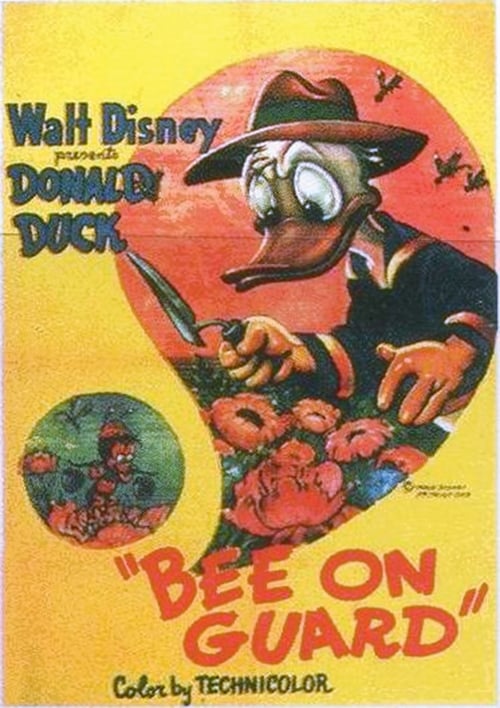
1951
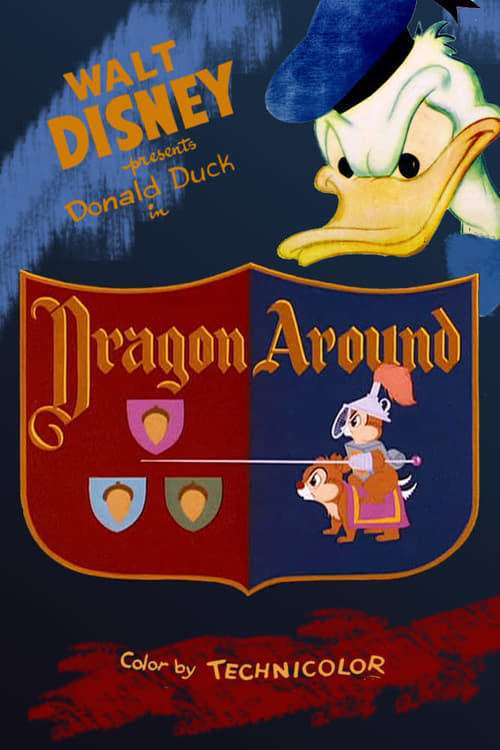
1954
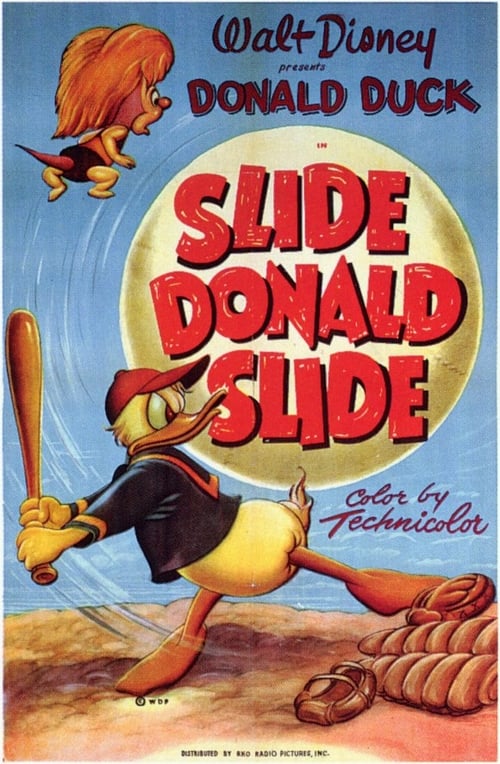
1949
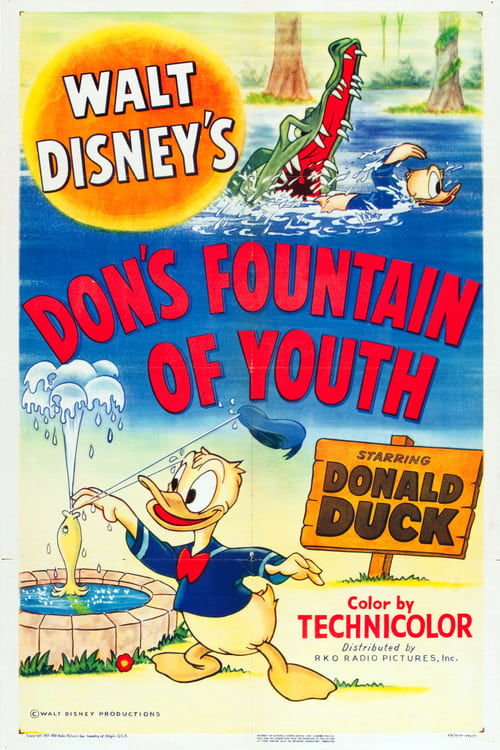
1953
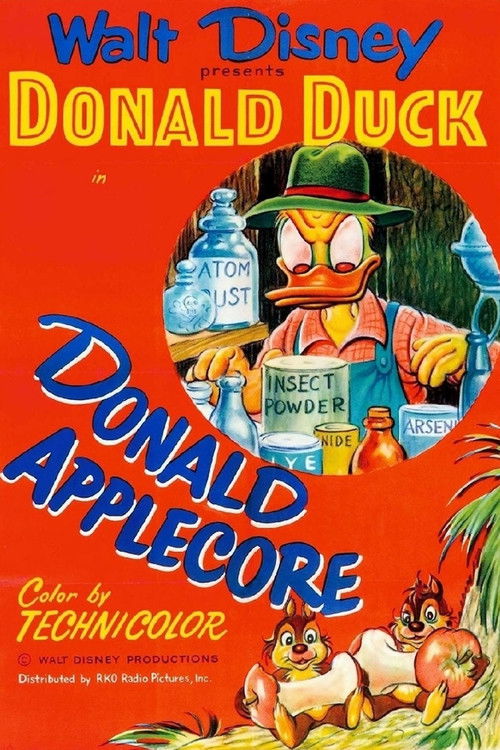
1952
No reviews yet. Be the first to share your thoughts on this movie!
Use the rating form above to leave a star rating and optional review.