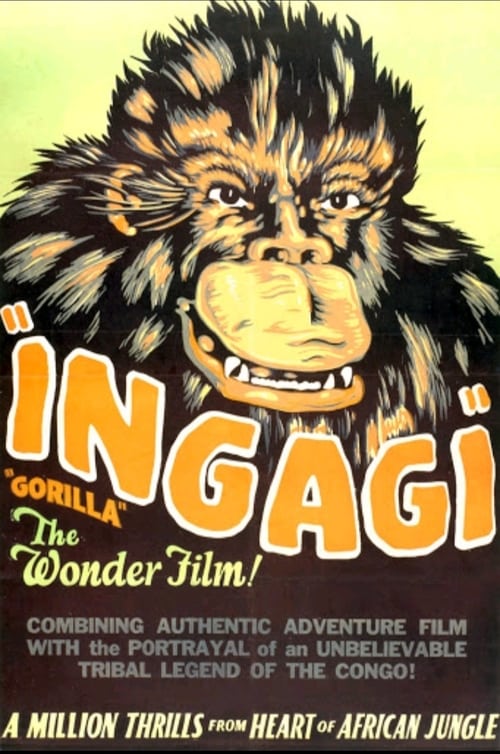
Ingagi
1930
No user ratings available yet
Representation score: 0.3 out of 10
Representation Score
Minimal
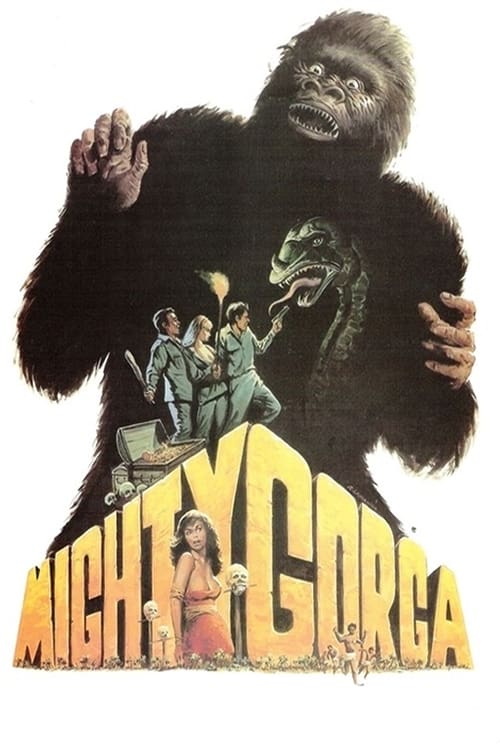
1969
GDirector
David L. Hewitt
Runtime
84 minutes
Average Rating
No ratings yetNew Showbiz Analysis
The Mighty Gorga functions as a standard adventure-fantasy production typical of 1969 genre cinema. It relies on established pursuit motifs and commercial exploitation themes rather than progressive social frameworks. The film adheres to the conventional narrative structures of its era, lacking the intentionality needed to disrupt social hierarchies, instead reinforcing traditionalist clichés found in low-budget exploitation films. Overall, the production reflects the era's tendency toward Western-centric storytelling and traditional gender roles within a colonial-style setting.
Category Breakdown
The film follows a traditional structure centered around straight relationships. It focuses on a male circus owner and a female trapper without exploring diverse gender identities.
The female lady trapper provides some occupational ability to act. However, the male circus owner drives the central objective, maintaining a conventional gender hierarchy.
Set in the African jungle, the film uses mid-century colonial adventure clichés. It appears to feature mainly Western protagonists navigating non-Western spaces.
The plot reinforces capitalist and colonial frameworks through the pursuit of a creature for entertainment. It lacks any deconstruction of Western institutions.
There is no information available regarding the portrayal of characters with physical or neurodivergent disabilities.
Present on Screen
Limited or Absent
Official Synopsis
A circus owner and a hunter's daughter go into an African jungle in order to capture a giant gorilla named Gorga just so that he can be used as an attraction for the former's circus.
1930

1949
1962

1957
1951
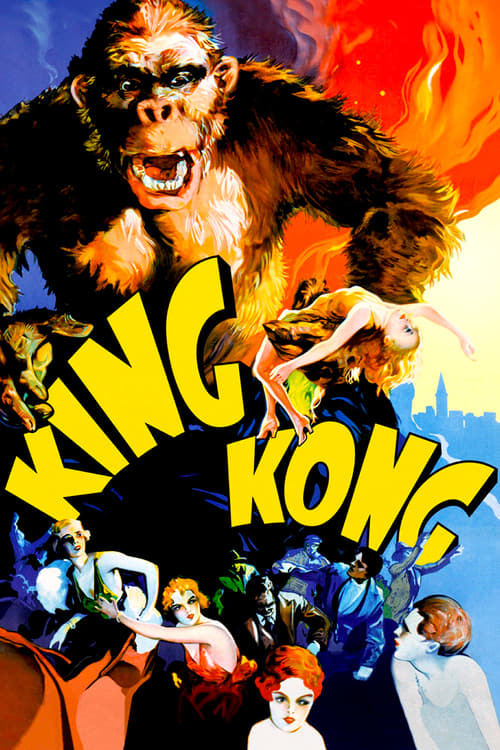
1933
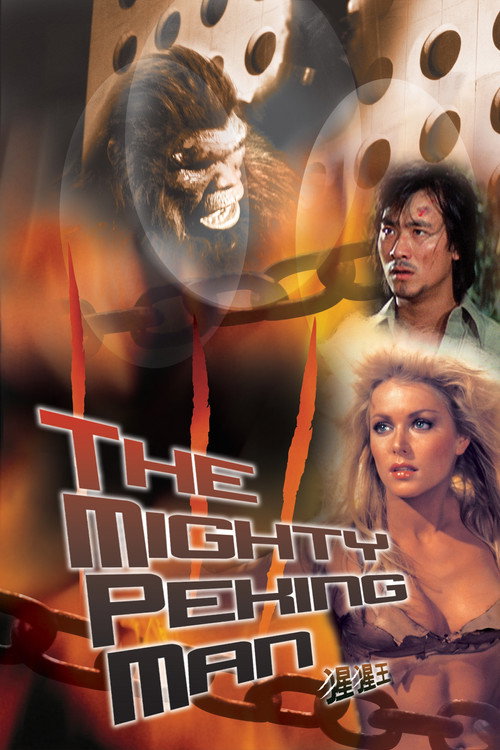
1977
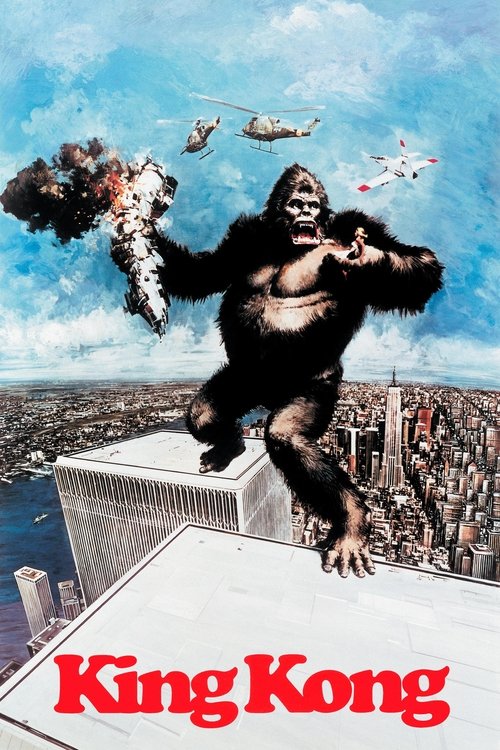
1976
No reviews yet. Be the first to share your thoughts on this movie!
Use the rating form above to leave a star rating and optional review.