
Shanks
1974
No user ratings available yet
Diversity score: 3.6 out of 10
1996
PGDirector
Robert Tinnell
Runtime
91 minutes
Average Rating
No ratings yetSynopsis
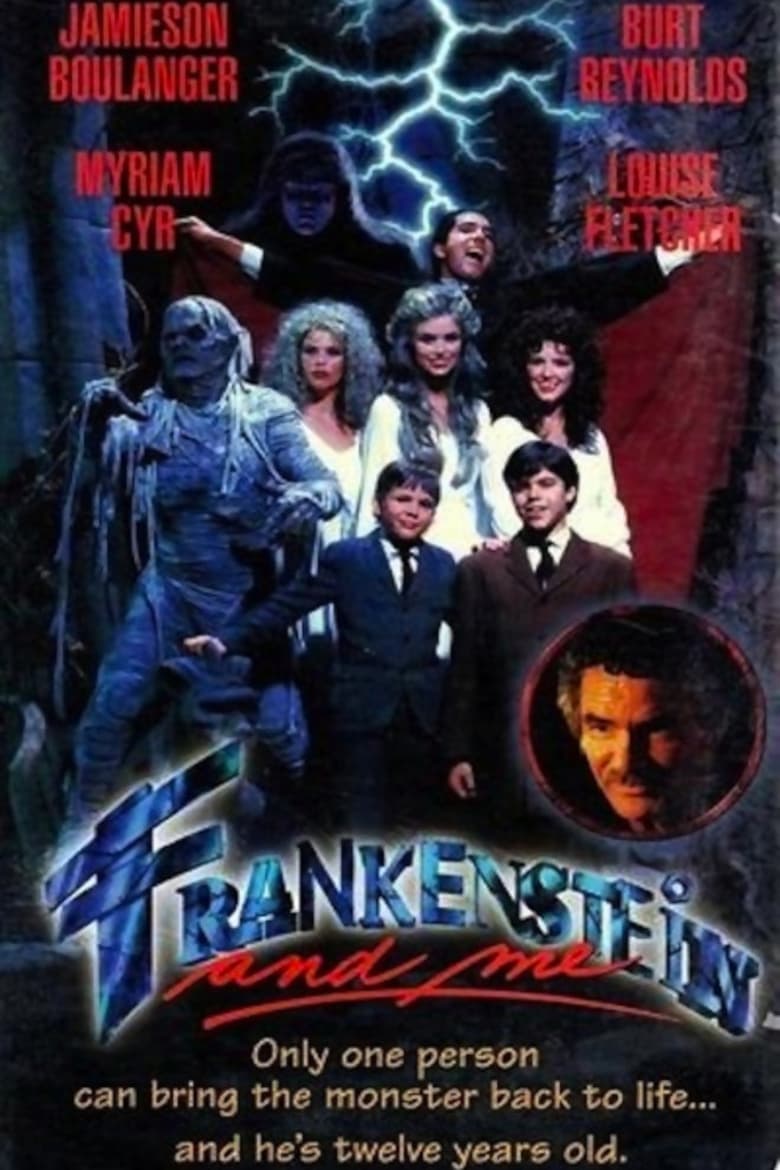
Earl Williams is a dreamer teenager obsessed with monsters, who fantasizes his life as if he were living in the world of the monsters of Universal Studios. Although being an excellent student, his intolerant and nasty school teacher Mrs. Perdue does not like him and punishes him for any minor fault. His supportive father Les Williams is also a dreamer, who has never been successful in life. When his father dies, his mother becomes lost with two boys, and tries to change the behavior of Earl. One day, the boy finds the "true Frankenstein" lost by a Carnival, and decides to bring the monster back to life.
Overall Score
Fair
Category Breakdown
LGBTQ+ Representation
The film focuses on a traditional nuclear family structure. There are no explicit depictions of LGBTQ+ characters or non-heteronormative identities within the narrative.
Gender Representation
Female characters serve as both domestic anchors and antagonistic forces. The teacher, Mrs. Perdue, represents a punitive institutional authority that clashes with the protagonist's agency.
Racial & Ethnic Diversity
The story centers on a conventional Western family unit. There is no evidence of ethnic blending or a diverse, non-Anglo-Saxon majority cast.
Religious & Cultural Diversity
The narrative critiques traditional institutions by framing monsters with empathy. It prioritizes subjective, imaginative experiences over the rigid social order of the school system.
Disability Representation
Earl is portrayed as a dreamer whose internal world conflicts with external reality. This suggests a neurodivergent-coded experience, though no specific disability is explicitly named.
Strengths
Areas for Improvement
AI Analysis
Frankenstein and Me is a mid-90s genre fantasy that leans heavily on the 'outsider' trope. It finds its strength in subverting authority hierarchies, particularly through the friction between an imaginative child and a restrictive school system. However, the film lacks intersectional breadth. The cast and narrative structure adhere to conventional Western demographic norms, offering very little in the way of racial or LGBTQ+ representation. Ultimately, the film's diversity is found in its thematic empathy for non-conformists rather than its demographic variety.
1974
2025
2000
1985
1986
2020
2005
1997
1999
1997
No reviews yet. Be the first to share your thoughts on this movie!
Use the rating form above to leave a star rating and optional review.