The Woman Is a Stranger
1968
No user ratings available yet
Representation score: 0.3 out of 10
Representation Score
Minimal
1964
Director
Harald Reinl
Runtime
89 minutes
Average Rating
No ratings yetNew Showbiz Analysis
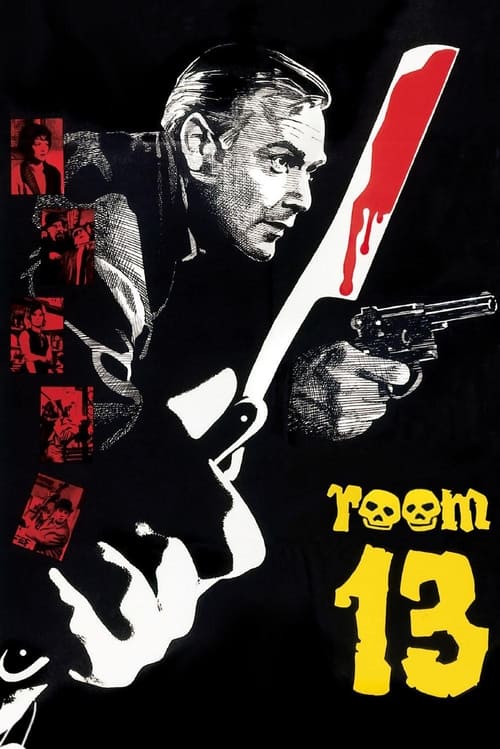
Room 13 is a mid-century crime thriller that follows the conventional narrative structures of 1964. The plot centers on a male detective navigating a criminal underworld. The film relies heavily on established genre clichés, emphasizing traditional social structures. It lacks depth in addressing multiple aspects of identity or subverting common expectations, reflecting the cinematic standards of its time. Representation is limited by the period's focus on Western European social structures and traditional gender roles, where women often function as plot catalysts rather than independent agents.
Category Breakdown
The film does not include any characters with non-binary gender identities. It focuses on typical criminal and detective themes from the 1960s.
Women are mainly portrayed as victims in the nightclub setting. The story revolves around Detective Gray's investigation and his role as the main investigator.
The film likely features a predominantly white cast, which is typical of 1960s European crime thrillers. There is no significant racial diversity or representation of non-Western cultures.
The story operates within a traditional Western crime framework. It emphasizes social stability through the detective's efforts to maintain legal order.
There are no characters with visible or invisible disabilities mentioned in the narrative.
Present on Screen
Limited or Absent
Official Synopsis
A serial-killer is murdering the ladies of a night club. Detective Gray is seeking for the killer but can only find a lot of gangsters. And the killer is about to act again...
1968
1958
1951
1956
1960
1949
1965
1942
No reviews yet. Be the first to share your thoughts on this movie!
Use the rating form above to leave a star rating and optional review.