Man with a Movie Camera
1929
No user ratings available yet
Representation score: 3.9 out of 10
Representation Score
Fair
1930
Director
Alexander Hammid
Runtime
9 minutes
Average Rating
No ratings yetNew Showbiz Analysis
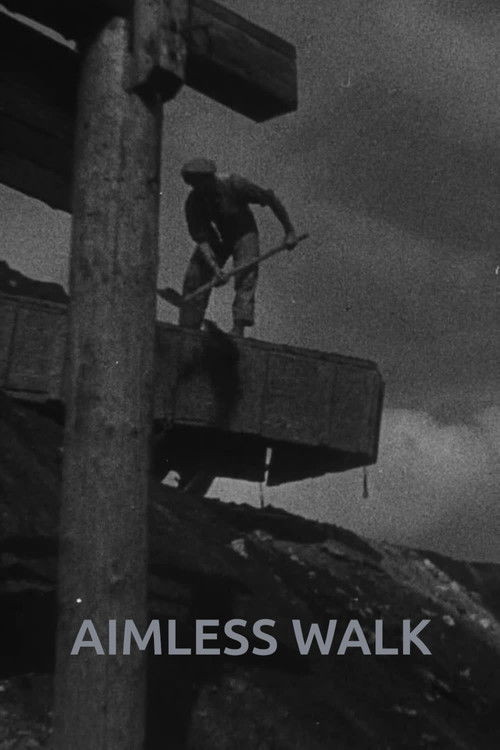
Aimless Walk is a landmark of Czech avant-garde cinema that prioritizes subjective experience over traditional documentary objectivity. Its strength lies in its refusal to serve as a patriotic or celebratory monument to the city, opting instead for a fragmented, humanistic perspective. While the film subverts conventional narrative structures and masculine clichés, it remains limited by its era's demographic realities and a lack of explicit identity-based representation. Ultimately, the film's diversity is found in its formal experimentation. By rejecting institutionalized truths, it creates a space for personal, rather than collective, storytelling.
Category Breakdown
The film does not include explicit LGBTQ+ characters or narratives. It maintains a neutral stance, avoiding both promoting heterosexual norms and providing visible non-cisgender representation.
The narrative deconstructs traditional masculine roles by focusing on a detached, fragmented experience. This avoids the goal-oriented hero clichés often found in mainstream cinema.
The film likely reflects the Central European demographics of 1930s urban centers. It focuses on a localized, humanistic lens rather than colonial perspectives common in that era.
The work rejects nationalistic or celebratory city portrayals. It prioritizes individual internal experiences and perceptual relativism over traditional Western institutional pride.
There is no discernible evidence regarding the portrayal of physical or neurodivergent disabilities within the film's urban landscape.
Present on Screen
Limited or Absent
Official Synopsis
This first true Czech avant-garde film turns away from a purely celebratory approach to the city. The camera follows a detached protagonist on his wanderings, as his highly subjective journey becomes a fragmented visualization of urban landscapes.
1929

1927
1928
1988
1981

1928
2011

1956
No reviews yet. Be the first to share your thoughts on this movie!
Use the rating form above to leave a star rating and optional review.