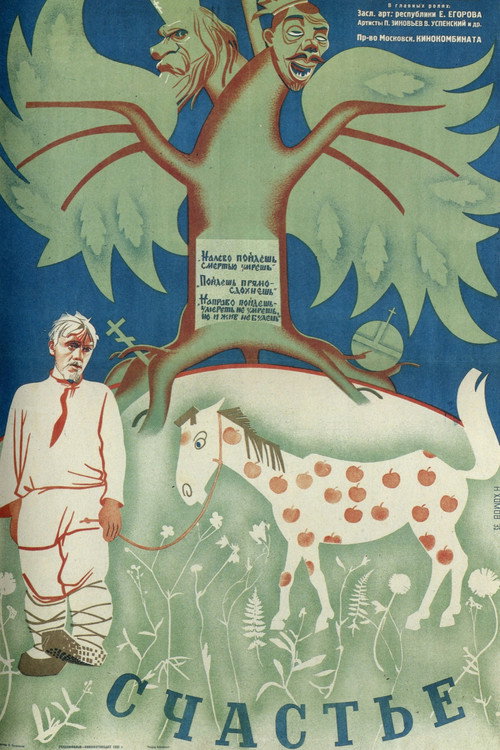
Happiness
1935
No user ratings available yet
Representation score: 5.6 out of 10
Representation Score
Limited
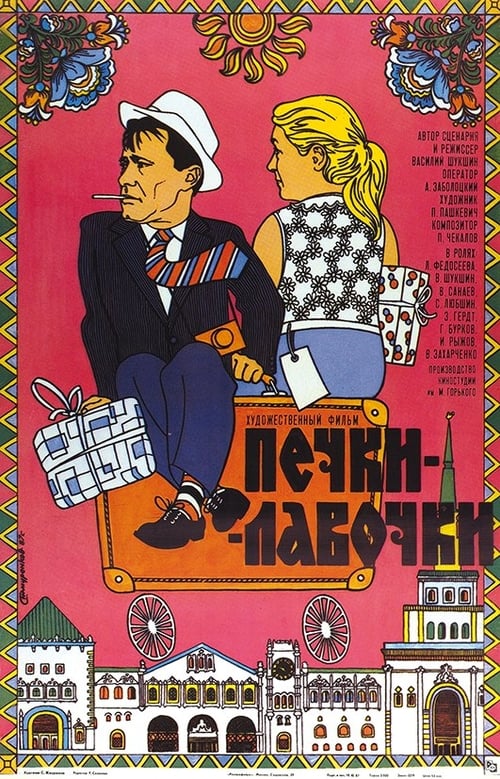
1972
Director
Vasiliy Shukshin
Runtime
103 minutes
Average Rating
No ratings yetNew Showbiz Analysis
Vasiliy Shukshin’s film delves into the psychological depth of the Soviet working class and the tensions between rural and urban life. It serves as a character study of the Soviet proletariat, focusing on class-based realism rather than identity-driven narratives. The film reflects the social constraints and cultural priorities of the early 1970s. It centers on a Siberian tractor driver and his wife, highlighting regional movement and social connections without disrupting social hierarchies. Overall, the production adheres to the demographic and social norms of its time, providing a portrait of everyday life within a collectivist framework.
Category Breakdown
The film does not include any LGBTQ+ characters or stories. It focuses on a traditional marriage typical of the 1972 Soviet era.
The story revolves around a married couple and their household duties. It upholds traditional gender roles and labor divisions without challenging established hierarchies.
The cast seems to be predominantly of Slavic ethnicity, showing little ethnic diversity. The narrative highlights regional identity and class without much attention to multi-ethnic backgrounds.
The film celebrates the working class and the social fabric of the Soviet state. It emphasizes labor and collectivist values through a realistic depiction.
There are no characters with visible or invisible disabilities mentioned in the narrative.
Present on Screen
Limited or Absent
Official Synopsis
On their way to a Black Sea resort, a Siberian tractor driver and his wife make new friends and take a detour to Moscow.
1935
1977

1969

1974

2017

1995
1962
1987
No reviews yet. Be the first to share your thoughts on this movie!
Use the rating form above to leave a star rating and optional review.