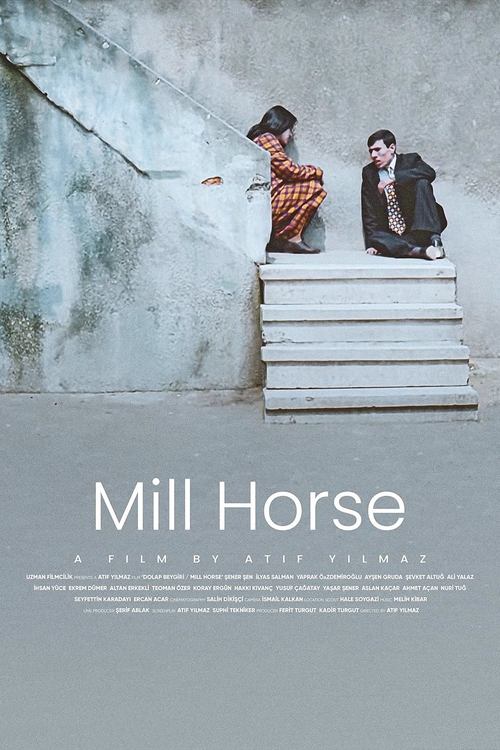
Mill Horse
1982
No user ratings available yet
Diversity score: 4.9 out of 10

1966
Director
Atıf Yılmaz
Runtime
98 minutes
Average Rating
No ratings yetSynopsis
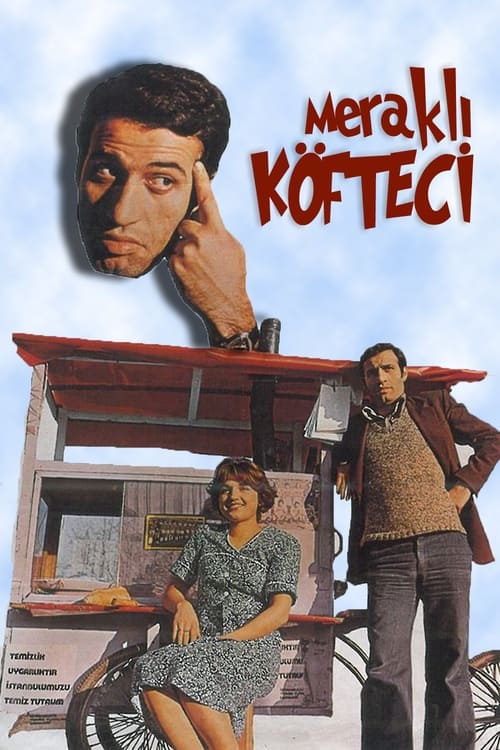
The lovely Ayşe moves from her country village to Istanbul in the hope of becoming an actress. One day she meets Haşmet, a grumpy, world-weary street photographer. He takes it upon himself to cure Ayşe of what he sees as her blind optimism, but some of it begins to rub off on the old cynic.
Overall Score
Fair
Category Breakdown
LGBTQ+ Representation
The film centers on the romantic tension between its two leads. It lacks explicit LGBTQ+ character arcs or critiques of heteronormativity, though it explores individualistic desires outside traditional village mores.
Gender Representation
Ayşe drives the film's thematic evolution through her pursuit of a professional identity. She avoids being a submissive trope, instead acting as a catalyst for change in the male lead.
Racial & Ethnic Diversity
The film depicts a homogeneous ethnic landscape focused on domestic migration. Diversity is expressed through socio-economic distinctions between rural and urban inhabitants rather than racial variety.
Religious & Cultural Diversity
The narrative prioritizes a secular, humanist worldview over rigid religious dictates. It critiques modern urban structures by framing the transition from village to city as a destabilizing process.
Disability Representation
There are no prominent depictions of physical or neurodivergent disabilities that serve as central narrative drivers in this work.
Strengths
Areas for Improvement
AI Analysis
Atıf Yılmaz’s work serves as a transitional piece in Turkish cinema, moving away from rigid melodrama toward socially conscious storytelling. The film succeeds by subverting the 'innocent village girl' trope, using Ayşe's agency to challenge urban cynicism. However, the film remains limited by its era, offering a homogeneous ethnic landscape and a lack of explicit LGBTQ+ representation. Its diversity is primarily socio-economic and thematic rather than intersectional. Ultimately, the film is a progressive step for its historical context, focusing on the friction between traditional values and modern urbanization.
1982

1990
1986
2007
2008
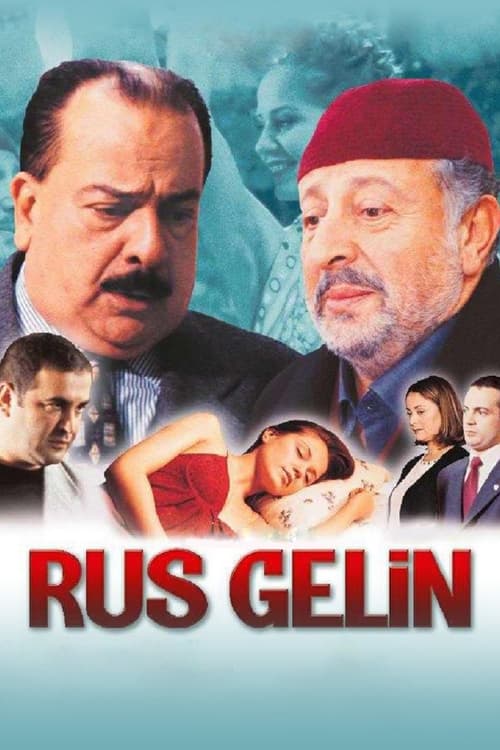
2003
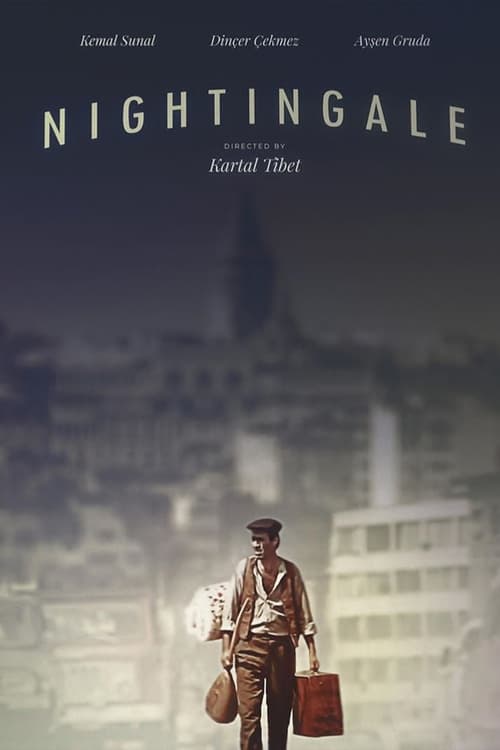
1979

2017
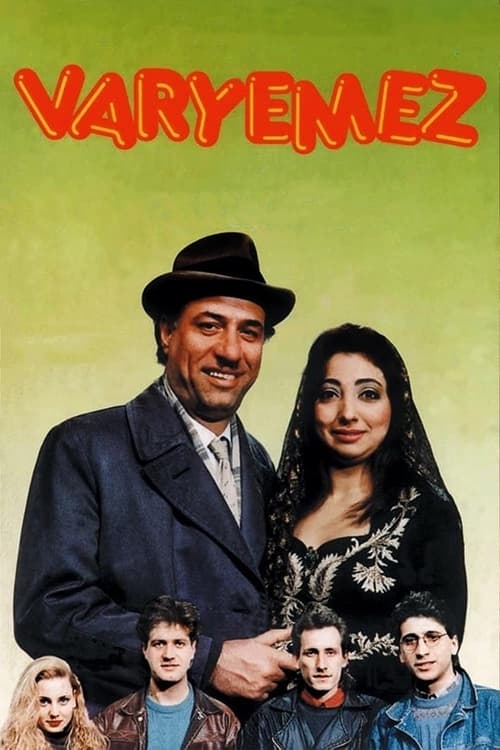
1991
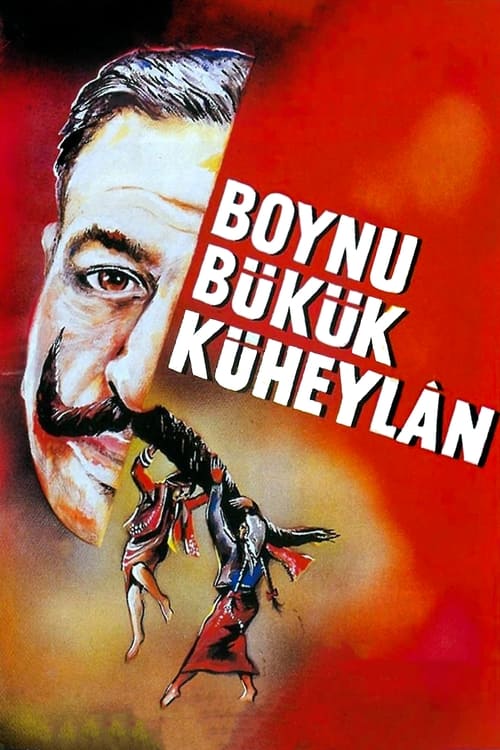
1990
1976

2010
No reviews yet. Be the first to share your thoughts on this movie!
Use the rating form above to leave a star rating and optional review.