
Benvenuti in casa Gori
1990
No user ratings available yet
Representation score: 2.9 out of 10
Representation Score
Fair
1997
Director
Paolo Virzì
Runtime
100 minutes
Average Rating
No ratings yetNew Showbiz Analysis
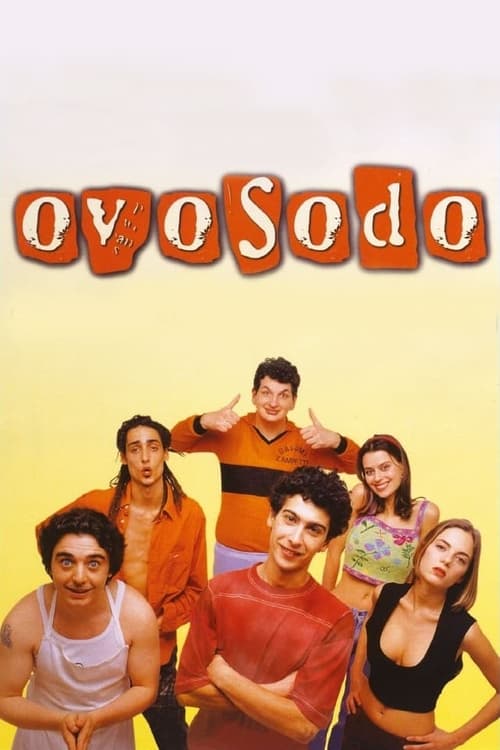
Ovosodo is a work of social realism that prioritizes class-based storytelling over broad demographic representation. It succeeds by offering a sophisticated deconstruction of traditional social hierarchies and the struggles of the underrepresented working class. However, the film lacks significant visibility for LGBTQ+ identities and multi-ethnic perspectives. The narrative is heavily centered on a male developmental arc, which limits the depth of gender diversity. Ultimately, the film's strength lies in its cultural critique of systemic structures rather than its adherence to modern identity-politics frameworks.
Category Breakdown
The film focuses on a hyper-masculine working-class environment. There is no explicit evidence of queer identities or narratives designed to critique the assumption that everyone is straight or cisgender within the main character arcs.
This coming-of-age story centers on the male experience and risks reinforcing masculine hierarchies. While women play important roles in the social fabric, their roles remain secondary to the protagonist's development.
The narrative captures a specific regional milieu in Livorno. It does not prominently feature a multi-ethnic cast, remaining grounded in the historical demographic reality of the Italian working class.
The film excels at deconstructing idealized nuclear families and Western institutions. It portrays a world defined by local loyalty and necessity rather than religious or moral absolutes.
There is no evidence of characters with visible or invisible disabilities driving the narrative or serving as central plot devices.
Present on Screen
Limited or Absent
Official Synopsis
From childhood to fatherhood, Piero learns things the hard way while growing up in a working-class neighborhood of Livorno.
1990

2003

2013

2008

1999

2006
1995

1998
No reviews yet. Be the first to share your thoughts on this movie!
Use the rating form above to leave a star rating and optional review.